
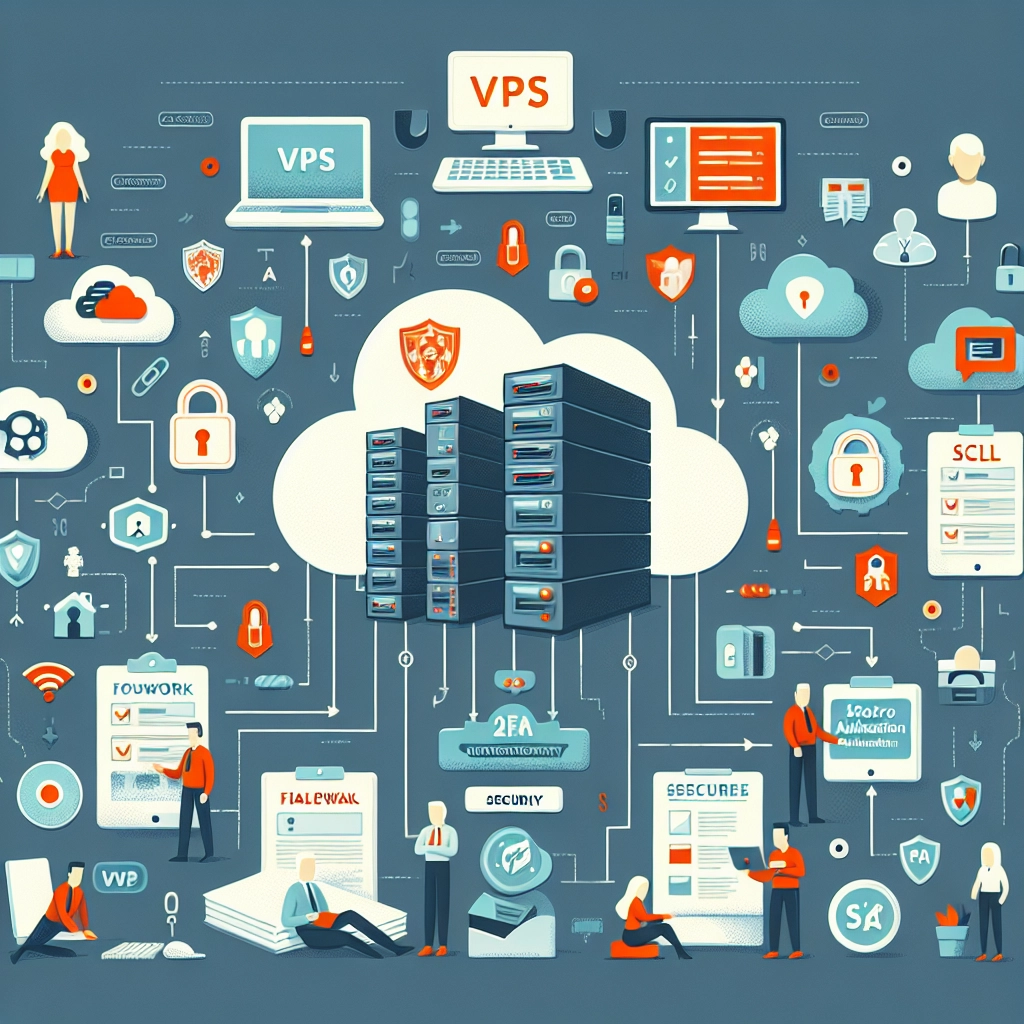
What Businesses Need to Know About VPS Hosting Security
In today’s digitally driven world, online security isn’t just an option—it’s a necessity. As more businesses migrate to virtual private servers (VPS) for hosting, understanding the security landscape is crucial. So, what do you need to know about VPS hosting security? Let’s dive in!
Understanding VPS Hosting
Before we talk security, it’s essential to grasp what VPS hosting actually is. In simple terms, VPS hosting sits somewhere between shared and dedicated hosting. With a VPS, a physical server is divided into multiple virtual servers, each with its own resources and operating system. This means businesses can enjoy better performance, greater control, and improved security features compared to shared hosting.
However, with power comes responsibility. As you embark on this more robust hosting solution, let’s take a closer look at some critical security aspects to consider.
Top Security Features of VPS Hosting
- Isolation from Other Users
One of the significant advantages of VPS hosting is the isolation it provides. Unlike shared hosting, where you share resources with other server users, a VPS operates in a contained environment. This isolation is key to securing your data, as the actions of one VPS user (think malware or breaches) won’t directly affect others.
- Root Access and Customization
VPS hosting gives you root access, similar to dedicated servers. This means you can customize the environment according to your security needs. You can install firewalls, antivirus, and intrusion detection systems—tools that go a long way in securing your virtual space. Choose your configurations wisely and make security a priority from the get-go.
- Custom Security Protocols
With VPS, you have the flexibility to set your security protocols. This can range from implementing strong passwords and two-factor authentication to using secure FTP connections for file transfers. Custom protocols that fit your business model and risk assessment will help bolster your security posture significantly.
Common VPS Security Threats
Though VPS hosting is more secure than shared hosting, it’s not immune to threats. Here are a few concerns you should keep on your radar:
- Malware and Viruses
Just like any other online environment, VPS hosting can fall prey to malware and viruses. Regularly updating your software and using security tools is essential to defend against these threats. Make sure to create a routine for system updates and scans.
- DDoS Attacks
Distributed Denial of Service (DDoS) attacks can overwhelm your VPS by flooding it with traffic. While VPS provides better resistance than shared hosting, proactive measures are necessary—consider integrating DDoS protection services to help mitigate these risks.
- Insecure Internet Connections
Data breaches can occur during transmission. Always use Secure Socket Layer (SSL) certificates to encrypt data being sent to and from your VPS. It’s a relatively simple addition that can make a big difference in security.
- Weak Access Credentials
Strong passwords are your first line of defense. Use complex combinations of letters, numbers, and symbols. Also, change your passwords regularly and avoid using the same password across multiple platforms.
Best Practices for Enhancing VPS Security
Now that you’re aware of the security features and potential threats, let’s explore some best practices for enhancing your VPS security.
- Regular Backups
Backing up your data is non-negotiable. Regular backups mean that even in the event of a security breach, your data remains safe and recoverable. Most VPS providers offer backup solutions; take advantage of them.
- Monitor Your Server
Use monitoring tools to keep an eye on your server’s activity. This way, you can catch suspicious behaviors early. Many monitoring tools can alert you to potential breaches or unusual patterns.
- Use a Firewall
A firewall acts as a barrier between your server and potential threats from the internet. Ensure that your VPS is protected by a robust firewall to fend off unauthorized access.
- Professional Support
If security isn’t your forte, consider investing in managed VPS hosting services. These solutions provide professional support that can keep your server secure while you focus on running your business.
Wrapping It Up
In a time when cyber threats are constantly evolving, understanding VPS hosting security should be a top priority for businesses of all sizes. By taking a proactive approach and implementing best practices, you can enjoy the benefits of VPS hosting while keeping your data safe from prying eyes. Remember, security is not a one-and-done effort; it’s about building a culture of awareness and vigilance around your digital assets. So whether you’re venturing into VPS hosting for the first time or refining your current practices, keep this security checklist handy. After all, a secure server is a happy server!
Welcome to DediRock, your trusted partner in high-performance hosting solutions. At DediRock, we specialize in providing dedicated servers, VPS hosting, and cloud services tailored to meet the unique needs of businesses and individuals alike. Our mission is to deliver reliable, scalable, and secure hosting solutions that empower our clients to achieve their digital goals. With a commitment to exceptional customer support, cutting-edge technology, and robust infrastructure, DediRock stands out as a leader in the hosting industry. Join us and experience the difference that dedicated service and unwavering reliability can make for your online presence. Launch our website.