
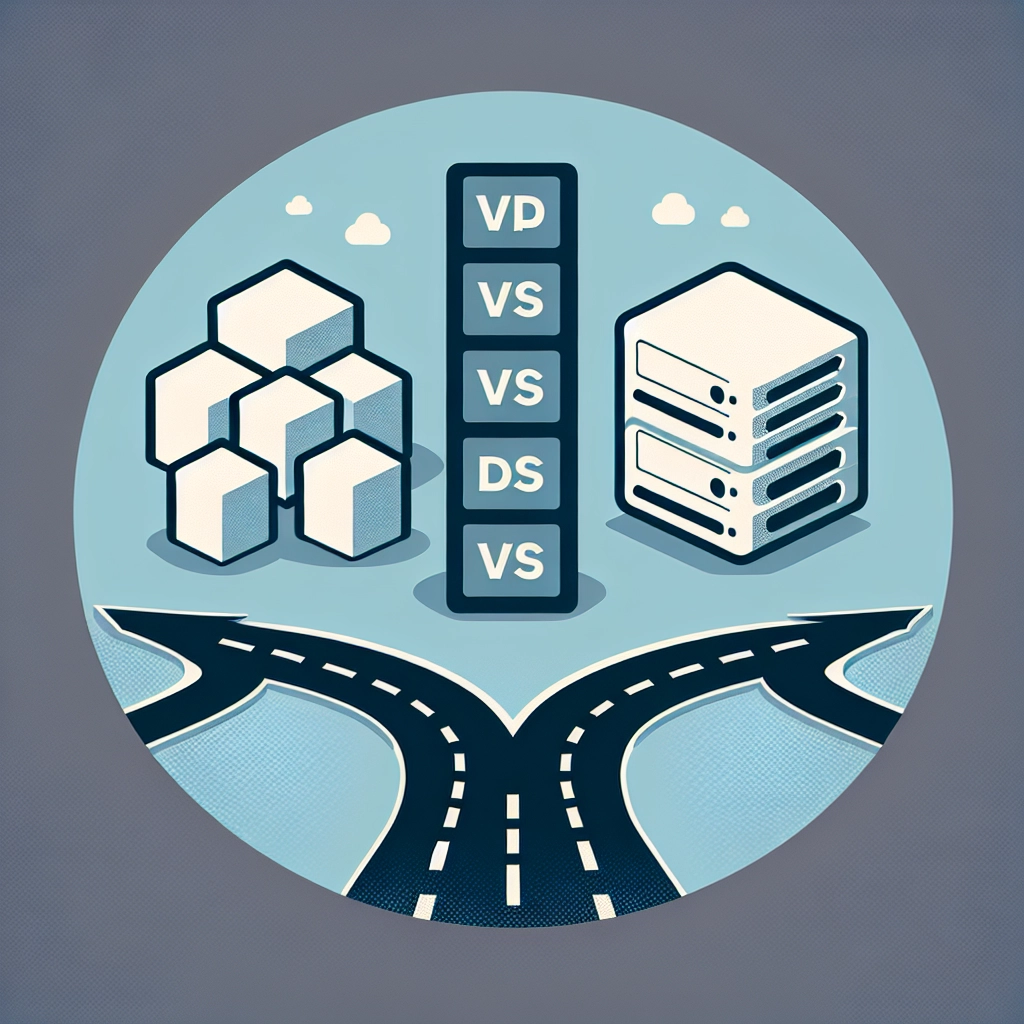
VPS vs. Dedicated Servers: Making the Right Choice
When it comes to hosting a website, the options can feel overwhelming, especially if you’re not particularly tech-savvy. You’ve probably heard of various terms like “VPS” (Virtual Private Server) and “dedicated servers,” but what do they actually mean, and which one is the right fit for you? Let’s break down the pros and cons of each to help you make an informed decision.
What is a VPS?
A Virtual Private Server (VPS) is a virtualized server that acts like a dedicated server within a larger server. Imagine renting a room in a big house—with your own space, utilities, and a little bit of privacy, but you still share the overall structure with others. With VPS hosting, multiple users share a physical server, but each user has their own dedicated portion of resources—such as CPU, RAM, and bandwidth—ensuring better performance than shared hosting.
Pros of VPS:
-
Cost-Effective: VPS hosting typically costs less than dedicated servers. It’s a flexible, budget-friendly option for medium-sized businesses or individuals who need more resources than shared hosting can offer but aren’t ready to commit to the higher expenses of a dedicated server.
-
Scalability: As your website grows, so can your VPS resources. Most hosting providers allow you to upscale your server as needed, so you won’t have to worry about outgrowing your services too quickly.
-
Customization: With a VPS, you have root access, which means you can install your own software, choose your operating system, and customize configurations to fit your specific requirements.
-
Improved Performance: Since you have dedicated resources, you’re less likely to experience slowdowns due to other users’ traffic, which is often a major issue with shared hosting.
Cons of VPS:
-
Limited Resources: Although you have dedicated resources, you’re still sharing a physical server. If others on the same physical server consume excessive resources, it can still affect your performance.
-
Management Skills Needed: If you opt for an unmanaged VPS, you may need to have some technical knowledge to manage your server effectively. This can involve software updates, security measures, and troubleshooting.
What is a Dedicated Server?
A dedicated server is like having your own private home; it’s all yours, no roommates in sight! With dedicated hosting, you have an entire physical server dedicated solely to your website. This means you have full control over the server, its resources, and are free from the fluctuations that can come from sharing.
Pros of Dedicated Server:
-
Full Control: With a dedicated server, you’re in the driver’s seat. You can configure the server however you see fit, which means you can optimize it for your specific applications or website traffic needs.
-
Performance: Since you’re not sharing resources with anyone else, you can expect consistently high performance levels. This is particularly beneficial for websites with high traffic or those requiring resource-intensive applications.
-
Enhanced Security: Having your own server allows for more robust security options. You can choose and implement security measures that fit your business needs, which can be particularly important if you handle sensitive information.
-
Customization: Just like with a VPS, with a dedicated server, you’re able to set it up just how you want. You can choose your own software, security policies, and more.
Cons of Dedicated Server:
-
Higher Cost: Dedicated servers are considerably more expensive than VPS solutions. If you’re a small business or just starting out, this may not be the most budget-friendly option.
-
Management Required: If you don’t opt for a managed dedicated server, expect to have more responsibilities when it comes to managing and maintaining the server. This includes everything from updates to security patches.
-
Overkill for Small Websites: For smaller websites or those with minimal traffic, a dedicated server might be more than you need. You could end up paying for resources you’re not fully utilizing.
Which One Should You Choose?
The decision between a VPS and a dedicated server hinges on your specific needs, goals, and budget. If you’re running a medium-sized business or a website that’s growing steadily, a VPS might be the sweet spot—offering cost-effectiveness and scalability without sacrificing too much performance.
On the other hand, if you expect substantial traffic or need to run complex applications that require a lot of resources, investing in a dedicated server could be wise—albeit at a higher cost. It’s all about finding the balance that works best for your unique situation.
Ultimately, it’s crucial to evaluate not just your current requirements but also where you envision your website or business heading. As you grow, your hosting needs will evolve, and choosing the right initial path can make all the difference in your digital journey. So take your time, do your research, and choose the option that best fits your vision.
Welcome to DediRock, your trusted partner in high-performance hosting solutions. At DediRock, we specialize in providing dedicated servers, VPS hosting, and cloud services tailored to meet the unique needs of businesses and individuals alike. Our mission is to deliver reliable, scalable, and secure hosting solutions that empower our clients to achieve their digital goals. With a commitment to exceptional customer support, cutting-edge technology, and robust infrastructure, DediRock stands out as a leader in the hosting industry. Join us and experience the difference that dedicated service and unwavering reliability can make for your online presence. Launch our website.