
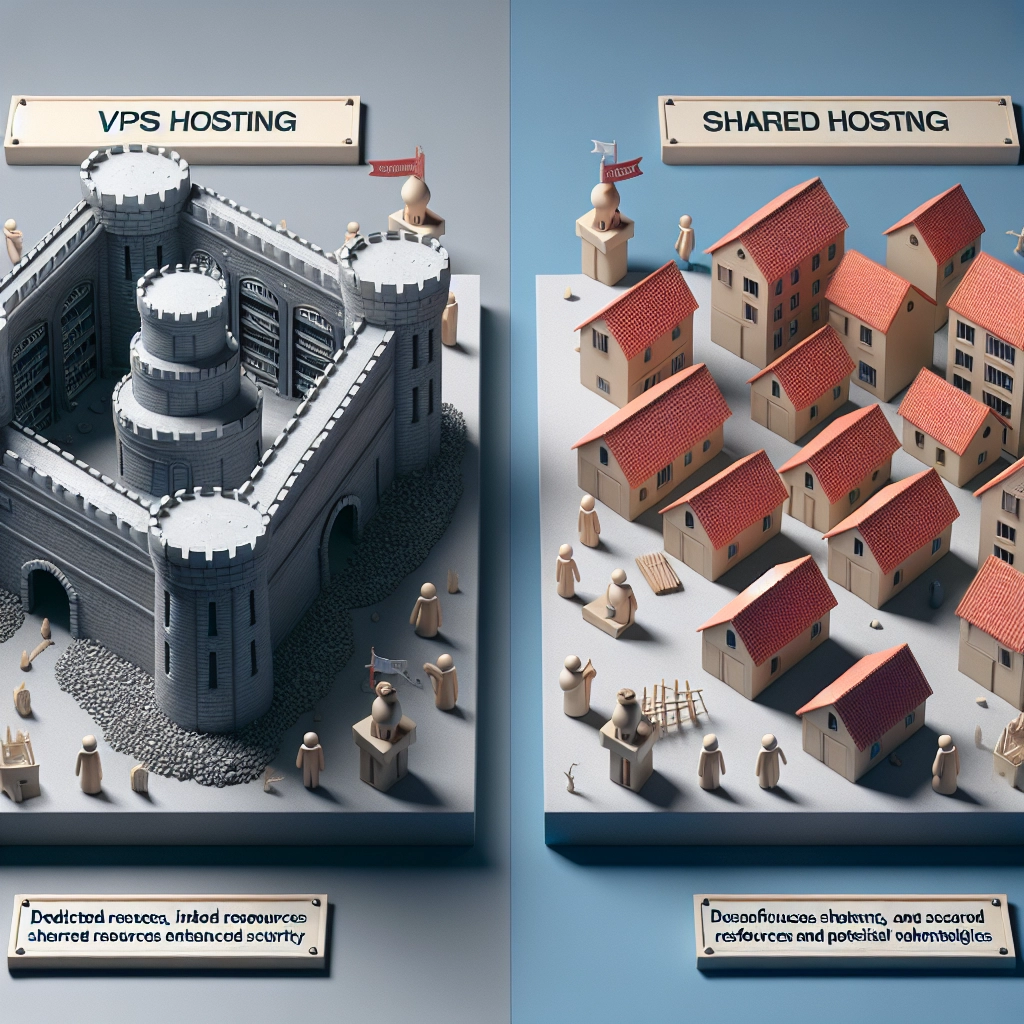
When diving into the world of web hosting, you might find yourself faced with a couple of popular options: VPS (Virtual Private Server) Hosting and Shared Hosting. Both have their advantages and disadvantages, and the right choice for you hinges on various factors, from your website’s needs to your technical know-how. Let’s chat about each one, so you can make an informed decision that best suits your goals.
Understanding Shared Hosting
Shared hosting is like renting a tiny apartment in a bustling building. Multiple websites reside on a single server, sharing its resources, bandwidth, and storage. Its affordability is a big draw—prices can start as low as a few dollars a month!
This option is perfect for beginners or small businesses that don’t expect a high volume of traffic. If you’re running a personal blog, a small portfolio site, or a hobby project, shared hosting can get the job done without breaking the bank. However, because you’re sharing resources with other websites, performance can suffer if another site on your server experiences a sudden spike in traffic. Imagine trying to enjoy your coffee at a crowded cafe where someone’s just taken over the Wi-Fi—frustrating, right?
Another downside? Limited control and customization. With shared hosting, you may find some features locked away and your ability to install specific software is restricted. Nonetheless, for those just dipping their toes into the online world, it’s a pretty decent place to start.
Introducing VPS Hosting
Now, let’s dive into VPS hosting. This setup can be compared to renting a luxury condo where you have your own space without the chaos of shared facilities. With VPS hosting, a single physical server is divided into multiple virtual servers, giving each user dedicated resources. It offers the best of both worlds: you get more control and reliability while still enjoying cost-effective hosting.
VPS is an excellent choice for users who have outgrown shared hosting or anticipate significant traffic to their websites. E-commerce sites, tech blogs, and larger business websites typically benefit from the enhanced performance that VPS hosting provides. Because you’re not sharing the server’s resources with as many websites, you’ll likely see better loading times and performance.
The level of customization is a big win. You can install your preferred operating system, software, and applications, allowing you to tailor the server to meet your specific needs. Plus, should your website grow and require more resources, upgrading your VPS plan is usually a straightforward process.
Comparing the Two
Both hosting options come with their own sets of pros and cons, and the best one for you really depends on what you envision for your online presence.
-
Cost-Effectiveness: If you’re on a tight budget and your needs are minimal, shared hosting will be your best friend. It offers a low-cost entry point, making it ideal for startups or personal projects.
-
Performance and Control: If you’re looking for better performance, reliability, and customization capabilities, VPS hosting is the clear winner. Think of it as an investment in quality. It’s worth spending a bit more if you anticipate growth or if you plan on running a business that needs to be up and running smoothly at all times.
-
Technical Know-How: Shared hosting typically comes with user-friendly setups and support designed for beginners. However, VPS hosting requires a bit more technical knowledge. While some hosting providers offer managed VPS services, you might still need to be comfortable with server administration if you opt for unmanaged VPS hosting.
-
Scalability: Shared hosting can be limiting if you start gaining traction and traffic spikes. In contrast, VPS plans are generally more scalable, allowing you to easily upgrade your resources as you grow.
So, What’s Right for You?
When it comes down to it, the choice between VPS and shared hosting is fundamentally about expectations and future plans. If you’re just starting and looking for a hassle-free, budget-friendly solution, shared hosting could be your best bet. But if you foresee that your website will grow, bring in significant traffic, or even monetize, opting for VPS hosting might save you the hassle of migrating later down the line.
Ultimately, understanding your needs today and predicting how they may change in the future will guide you to the right kind of hosting. In the end, the goal is to ensure that your website runs smoothly and securely, regardless of the hosting option you choose. Happy hosting!
Welcome to DediRock, your trusted partner in high-performance hosting solutions. At DediRock, we specialize in providing dedicated servers, VPS hosting, and cloud services tailored to meet the unique needs of businesses and individuals alike. Our mission is to deliver reliable, scalable, and secure hosting solutions that empower our clients to achieve their digital goals. With a commitment to exceptional customer support, cutting-edge technology, and robust infrastructure, DediRock stands out as a leader in the hosting industry. Join us and experience the difference that dedicated service and unwavering reliability can make for your online presence. Launch our website.