
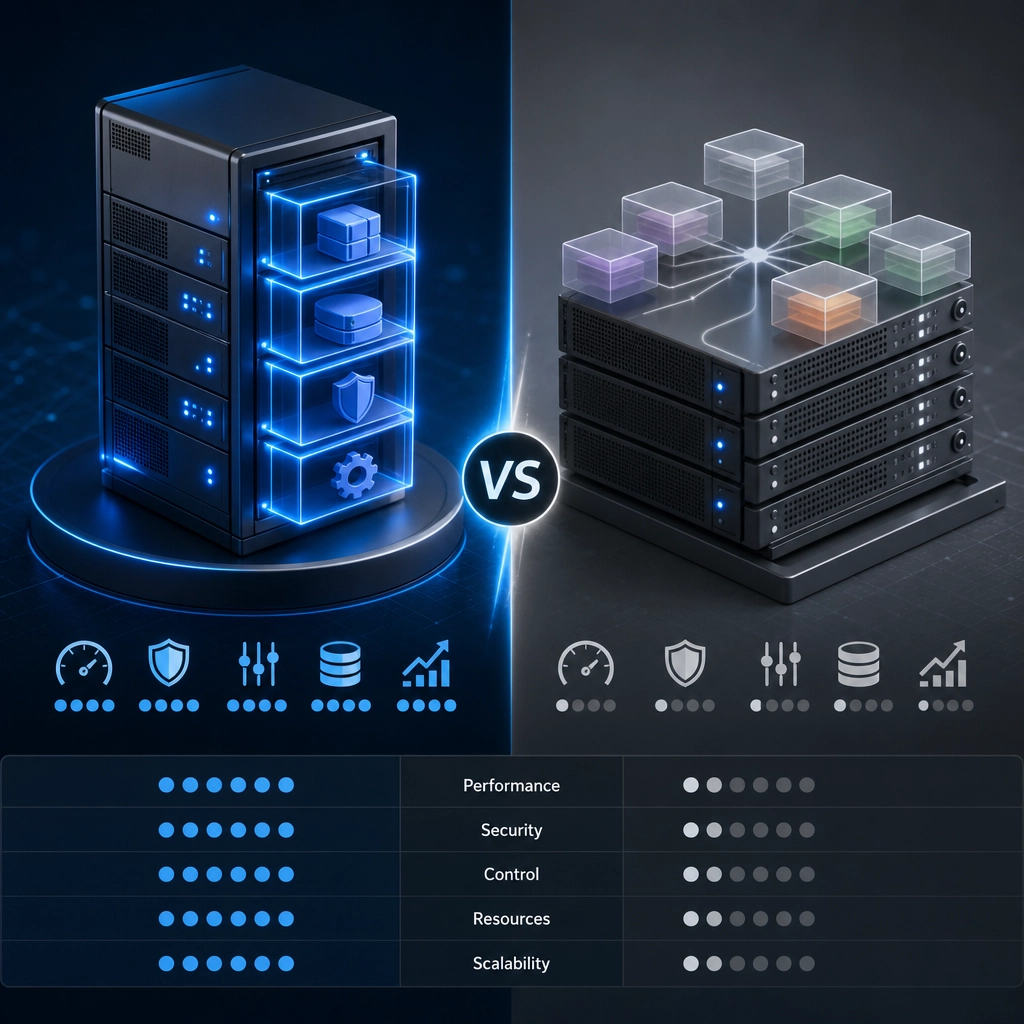
VPS Hosting vs. Shared Hosting: A Comparative Analysis
In the world of web hosting, choosing the right service for your site can feel a bit overwhelming. Two popular options on the market are VPS (Virtual Private Server) hosting and shared hosting. Both offer distinct advantages and disadvantages, making them suitable for different types of users and needs. Let’s dive into this comparative analysis to help you make an informed decision.
What is Shared Hosting?
Shared hosting is often the go-to option for beginners or smaller websites. In this setup, multiple websites are hosted on the same server, sharing its resources like bandwidth, storage, and processing power. This arrangement significantly drives down costs, making it an attractive option for those just dipping their toes into the online waters.
Pros of Shared Hosting:
-
Affordability: Shared hosting is generally the least expensive option available. For individuals or small businesses just starting out, the lower price is enticing.
-
Ease of Use: Most shared hosting services come with user-friendly interfaces and one-click installs for popular applications like WordPress. This makes it simple for even the most techno-phobic folks to get started.
-
Maintenance: The hosting provider manages server maintenance, meaning you don’t have to worry about updates or server performance.
Cons of Shared Hosting:
-
Limited Resources: Since you’re sharing resources with other sites, if one site experiences a spike in traffic, it can affect your website’s performance. Imagine having a dinner party but your friends all invited extra guests—chaos!
-
Security Risks: Being on a shared server can expose your site to vulnerabilities. If one site gets compromised, others on the same server could also be at risk.
-
Limited Control: With shared hosting, you typically have less control over your environment, which can limit your ability to tailor settings or install specific applications.
What is VPS Hosting?
VPS hosting takes things up a notch. With this option, you still share a physical server, but with fewer users. Each website is allocated a specific portion of the server’s resources, offering more stability and flexibility. It’s perfect for businesses that have outgrown shared hosting or need more power.
Pros of VPS Hosting:
-
Enhanced Performance: Because resources are allocated specifically to your site, you’re less likely to experience slowdowns, even during peak traffic times. It’s like having your own little section of a bustling restaurant!
-
Greater Control: VPS hosting typically grants you root access (basically, admin access) to the server. This means you can customize settings, install software, and configure applications to meet your specific needs.
-
Improved Security: Your website is isolated from others, significantly reducing the risk of being affected by attacks that could compromise neighboring sites.
-
Scalability: As your website grows, you can easily scale your resources without having to migrate to a different server. This flexibility makes VPS a great long-term option.
Cons of VPS Hosting:
-
Higher Cost: VPS hosting is more expensive than shared hosting, which can deter those on a tight budget.
-
Complexity: While many VPS providers offer managed services, you might still need some technical know-how to fully utilize the server and troubleshoot any issues.
-
Maintenance Responsibilities: With great power comes great responsibility—if you choose an unmanaged VPS, you’ll have to take care of server maintenance and updates yourself.
Which Should You Choose?
The answer to this question largely depends on what you need. If you’re just starting out, perhaps with a personal blog or a small business website, shared hosting might be the way to go. Its low cost and simplicity allow you to start building your online presence without overwhelming technical requirements.
On the other hand, if you have a growing business, run an e-commerce site, or expect higher traffic loads, VPS hosting could be a better fit. The improved performance, security, and control can make a significant difference as your site scales.
Ultimately, think about your current needs and future goals. Evaluate your budget, expected growth, and technical capabilities. The right hosting solution can set the stage for your website’s success, so it’s worth taking the time to make the best choice for you. As you navigate your hosting journey, remember that whether you start small or aim for the stars, the most important aspect is delivering quality content that resonates with your audience. Happy hosting!
Welcome to DediRock, your trusted partner in high-performance hosting solutions. At DediRock, we specialize in providing dedicated servers, VPS hosting, and cloud services tailored to meet the unique needs of businesses and individuals alike. Our mission is to deliver reliable, scalable, and secure hosting solutions that empower our clients to achieve their digital goals. With a commitment to exceptional customer support, cutting-edge technology, and robust infrastructure, DediRock stands out as a leader in the hosting industry. Join us and experience the difference that dedicated service and unwavering reliability can make for your online presence. Launch our website.