
Understanding Resource Allocation in VPS and Dedicated Servers
When it comes to hosting solutions, the options can feel overwhelming. Among the most popular choices are Virtual Private Servers (VPS) and dedicated servers. Both have unique offerings, but understanding how resource allocation works within them is crucial for making the right decision for your needs.
What is VPS?
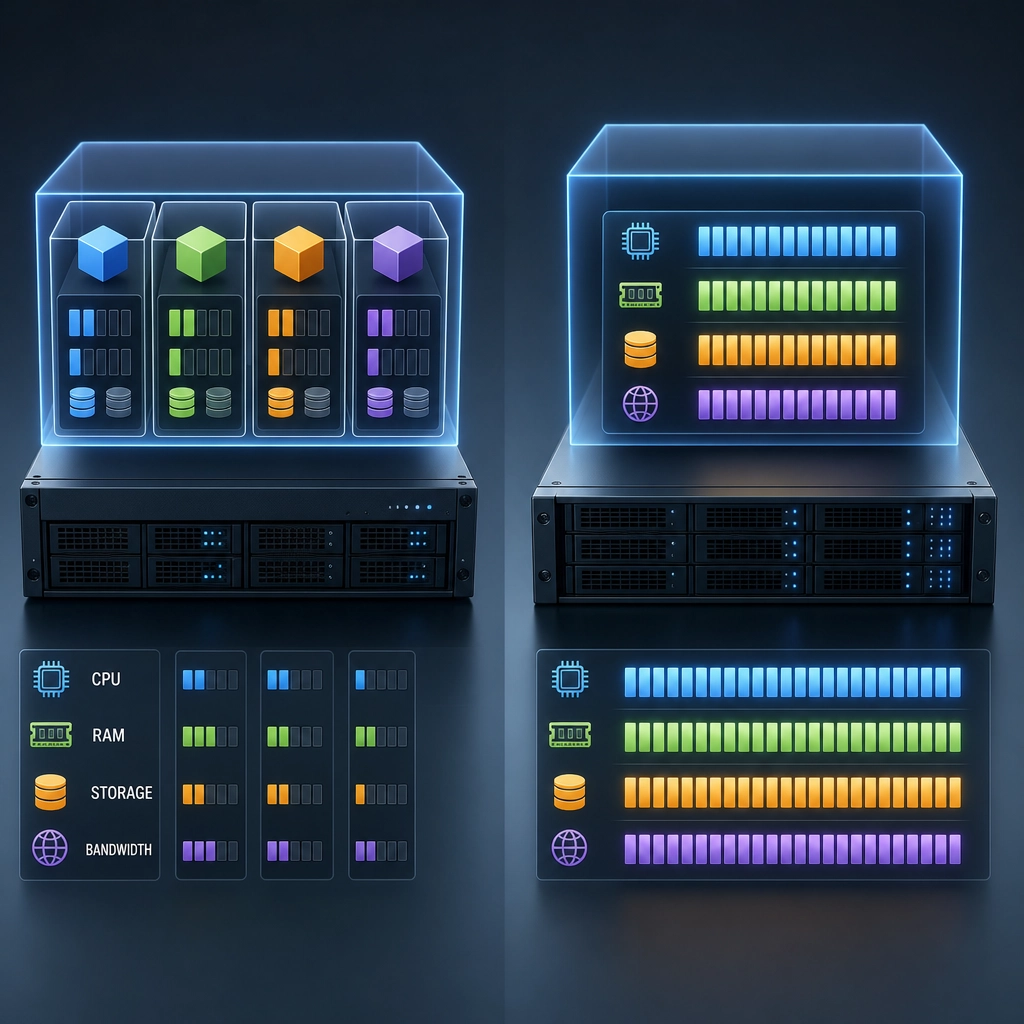
A VPS is essentially a slice of a dedicated server that is shared among multiple users. It uses virtualization technology to allow various virtual servers to operate independently on the same physical hardware. Think of it like having your own apartment in a high-rise building—though you share the structure with others, your space is yours to manage as you please.
When you opt for a VPS, you are typically allocated a specific amount of CPU power, RAM, disk space, and bandwidth. This means that, while you share the server’s physical resources, you still enjoy a level of privacy and autonomy. Resource allocation in a VPS is structured and defined; you know how much of each resource you have at any given time.
What is a Dedicated Server?
On the other hand, a dedicated server offers you the keys to the whole house—every single resource on the server is yours to utilize as you see fit. You don’t have to share the CPU, RAM, storage, or bandwidth with anyone else, which translates to better performance, especially for resource-intensive applications or websites.
With a dedicated server, resource allocation is pretty straightforward: what you see is what you get. You get full control, which means you can configure the server to meet your specific needs, from the operating system to installed applications.
How Does Resource Allocation Work?
In a VPS Environment
In a VPS environment, resources are allocated based on the plan you choose. If you opt for a plan with 2 GB RAM, 4 CPU cores, and 50 GB SSD storage, those resources are yours. However, it’s essential to understand that performance can be affected by other users on the same physical server, especially if they also have high resource demands.
Many VPS providers monitor resource usage to ensure that no one client exceeds their allocated quota. This ensures a fair distribution, but it can mean that your performance occasionally dips when others are consuming a lot of resources.
Even though VPS setups are typically more affordable than dedicated servers, the variability of performance can make them less ideal for high-traffic websites or applications requiring consistent performance.
In a Dedicated Server Environment
With a dedicated server, you get the entire machine’s resources all to yourself. This setup offers much greater stability and performance. You don’t have to worry about other users hogging the server’s CPU or RAM.
In dedicated hosting, you can customize how you allocate those resources based on your needs. For example, if you run a gaming server or a resource-intensive application, you can configure exclusive access to the CPU for those processes. Likewise, you can decide to allocate more disk space for storage or additional bandwidth for data transfer, depending on your needs.
Cost Considerations
While VPS options are generally less expensive than dedicated servers, the relationship between cost and performance is nuanced. VPS can be ideal for startups or smaller websites with moderate traffic looking for a budget-friendly options. Dedicated servers, however, tend to come with a higher price tag but can yield greater performance and reliability, which is essential for larger businesses or those with heavy resource requirements.
Which Should You Choose?
The decision between a VPS and a dedicated server ultimately boils down to your needs. If you’re running a small to medium website, an online store, or an application with moderate traffic, a VPS can be a great starting point. It offers a cost-effective solution with decent performance and scalability options.
However, if you’re expecting high bandwidth usage, running complex applications, or if you simply want maximum performance and security, investing in a dedicated server might be the better route.
Final Thoughts
Decoding resource allocation in VPS and dedicated servers is a fundamental part of making an informed hosting decision. Understanding your requirements, future growth, and budget will guide you toward the perfect fit, whether it’s a friendly, shared environment like a VPS or taking full control with a dedicated server. With the right choice, your online presence can run smoothly, allowing you to focus on what really matters—growing your business and engaging with your audience.
Welcome to DediRock, your trusted partner in high-performance hosting solutions. At DediRock, we specialize in providing dedicated servers, VPS hosting, and cloud services tailored to meet the unique needs of businesses and individuals alike. Our mission is to deliver reliable, scalable, and secure hosting solutions that empower our clients to achieve their digital goals. With a commitment to exceptional customer support, cutting-edge technology, and robust infrastructure, DediRock stands out as a leader in the hosting industry. Join us and experience the difference that dedicated service and unwavering reliability can make for your online presence. Launch our website.