
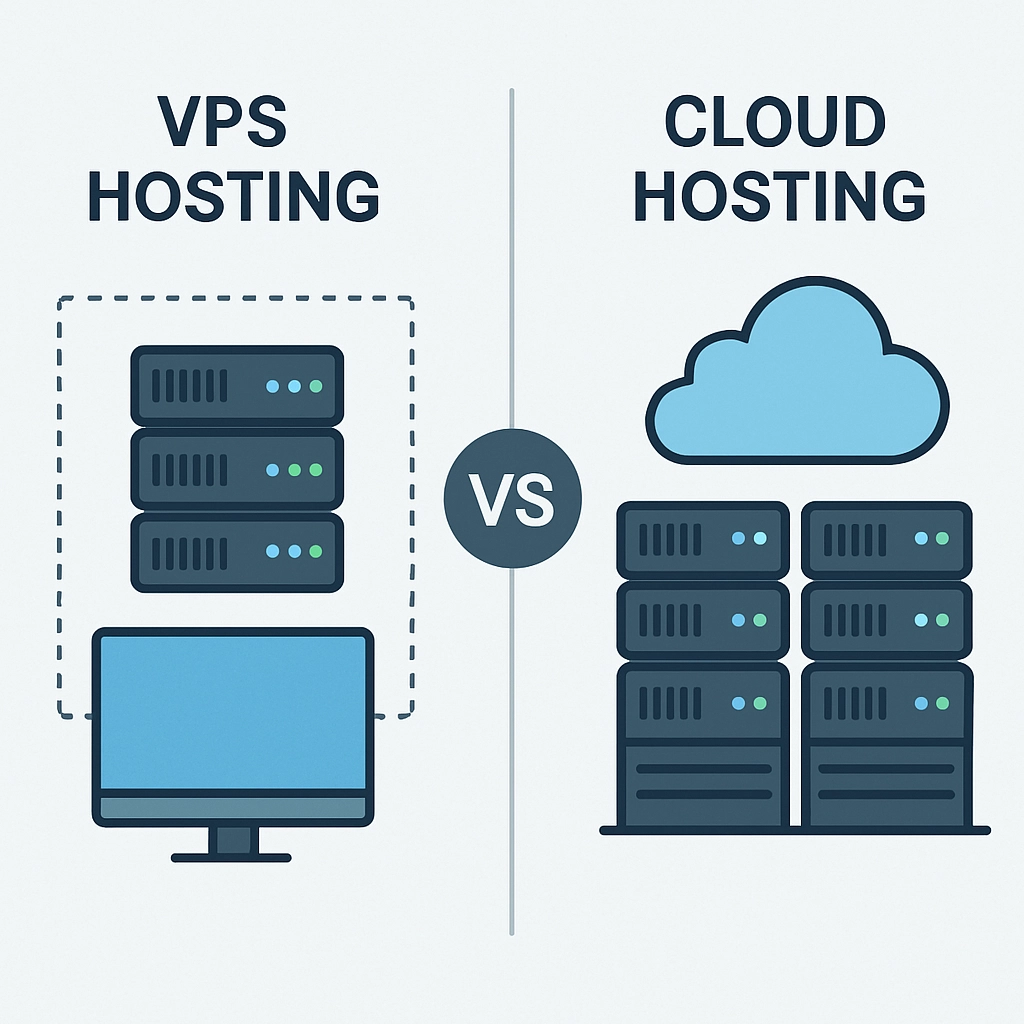
The Ultimate Comparison: VPS Hosting vs. Cloud Hosting
When it comes to hosting your website or application, you might find yourself swimming in a sea of options. Two of the most popular choices are VPS (Virtual Private Server) hosting and cloud hosting. Both have their unique advantages, but which one is right for you? Let’s dive into the nitty-gritty of VPS hosting versus cloud hosting to help you navigate this critical decision.
What is VPS Hosting?
VPS hosting is essentially a step up from shared hosting. Think of it as a digital condominium; you have your own private space (the VPS) within a larger building (the physical server), but you’re still sharing some resources with your neighbors. Each VPS is partitioned to act like an independent server, giving you access to dedicated resources such as RAM, CPU, and storage.
This means that with VPS hosting, you get more control and flexibility compared to shared hosting. You can install your own software, customize your server environment, and even choose the operating system that best meets your needs. It’s especially appealing for businesses that require specific applications or configurations.
What is Cloud Hosting?
On the other hand, cloud hosting takes things to the next level by distributing your resources across a network of servers (the “cloud”). Rather than having your website or application on a single server, it can leverage the power of multiple servers working together. This scalability is one of the primary advantages of cloud hosting.
Cloud hosting means you’re not just paying for a set amount of resources upfront; you can scale your usage up or down depending on your needs. During peak times, your site can draw from an almost limitless pool of resources, while during quieter periods, you can scale back to save money. It’s this flexibility that makes cloud hosting particularly attractive for businesses with fluctuating traffic.
Let’s Break It Down: Key Differences
Now that we’ve explored what each of these hosting options entails, let’s break it down into key differences to help clarify which one fits your needs better.
Performance and Reliability
-
VPS Hosting: Offers reliable performance as you are allocated dedicated resources. However, since multiple VPSs share the same physical server, server issues like hardware failure can impact your service.
-
Cloud Hosting: Provides exceptional reliability. If one server goes down, your site can instantly be transferred to another server in the cloud network, minimizing downtime significantly.
Scalability
-
VPS Hosting: Scaling up usually involves upgrading to a higher plan, which can require downtime. If your needs outgrow your current plan, migrating to a bigger VPS can be cumbersome.
-
Cloud Hosting: Easily scalable on-demand. You can increase or decrease resources like bandwidth, storage, and processing power without disruption, making it ideal for growing businesses.
Cost
-
VPS Hosting: Typically comes with a fixed cost that’s easier to budget. You know exactly what you’re paying each month. However, you might have limited flexibility if you hit your resource ceiling.
-
Cloud Hosting: Generally billed on a pay-as-you-go basis, which can save you money during slower periods. That said, costs can add up if not monitored closely, particularly if your traffic spikes unexpectedly.
Control and Customization
-
VPS Hosting: Offers greater control over your environment, allowing you to install custom software and configure the server to your preferences.
-
Cloud Hosting: While many cloud solutions offer a high degree of customization, especially with Platform as a Service (PaaS) offerings, you might not have as much direct control over server configurations compared to a VPS.
Security
-
VPS Hosting: Provides a decent level of security, as each VPS is isolated from others. But, since it’s sharing a physical server, vulnerabilities can arise.
-
Cloud Hosting: Often equipped with advanced security measures and automatic backups across multiple servers, ensuring your data is secure and recoverable even in case of a breach.
Which Should You Choose?
So, what’s the verdict? The best choice ultimately comes down to your specific needs. If you’re running a small to medium-sized business and want dedicated resources, a VPS hosting plan may be the way to go. However, if your business is scalable or experiences seasonal traffic spikes, cloud hosting is potentially the better option.
Choosing the right hosting solution is crucial; it can impact your site’s performance, security, and ultimately your peace of mind. Take the time to evaluate your needs, weigh the pros and cons of each hosting type, and you’ll be better equipped to make an informed decision. Whichever path you choose, the most important thing is to create a strong foundation for your online presence that can help you grow and thrive in the digital world.
Welcome to DediRock, your trusted partner in high-performance hosting solutions. At DediRock, we specialize in providing dedicated servers, VPS hosting, and cloud services tailored to meet the unique needs of businesses and individuals alike. Our mission is to deliver reliable, scalable, and secure hosting solutions that empower our clients to achieve their digital goals. With a commitment to exceptional customer support, cutting-edge technology, and robust infrastructure, DediRock stands out as a leader in the hosting industry. Join us and experience the difference that dedicated service and unwavering reliability can make for your online presence. Launch our website.