
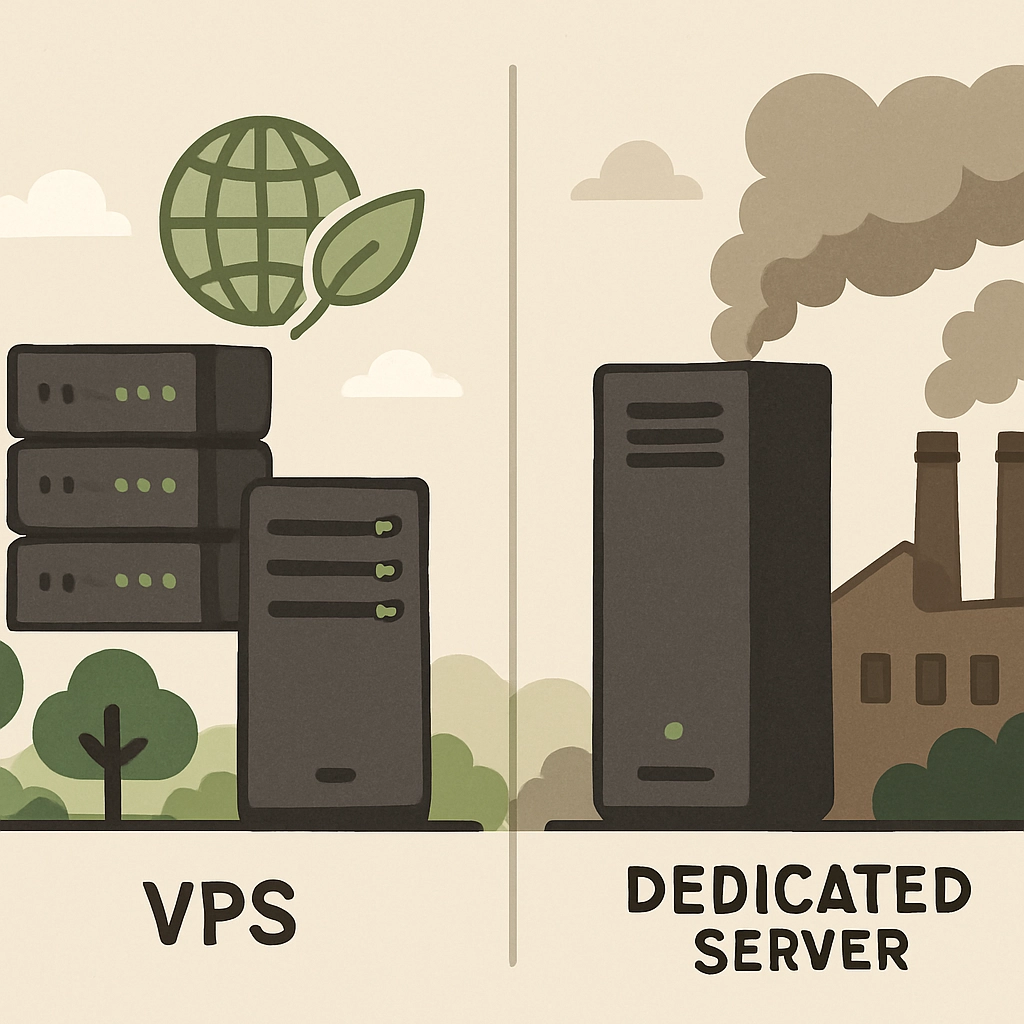
The Environmental Impact of VPS vs. Dedicated Servers
In the digital age, where every click, download, and stream can contribute to a larger ecological footprint, understanding the environmental impact of our technological choices is more important than ever. For businesses and developers, one of the big decisions is often between Virtual Private Servers (VPS) and dedicated servers. Both options have their benefits and drawbacks, but how do they stack up when it comes to sustainability? Let’s dive in!
What Are VPS and Dedicated Servers?
Before we get to the nitty-gritty of their environmental impacts, let’s clarify what these servers actually are. A dedicated server is a physical server entirely dedicated to a single user or organization. This means that you have full control over all its resources—CPU, RAM, storage, and bandwidth. It’s a great option for businesses that require high performance and security.
On the other hand, a VPS, or Virtual Private Server, utilizes virtualization technology to divide a single physical server into multiple virtual servers. Each VPS operates independently and has its own allocated resources, but all the VPSs share the underlying hardware. This makes VPS hosting a more cost-effective and flexible option, especially for startups and smaller businesses.
Energy Efficiency and Resource Utilization
When we look at the environmental impact of these two hosting solutions, energy efficiency is a key consideration. Dedicated servers, by their nature, tend to consume more energy per user because they’re solely dedicated to one customer. This means that, in scenarios where resource utilization is low, a dedicated server is often an inefficient use of energy.
In contrast, VPS hosting is generally more energy-efficient. Since multiple VPS instances can run on the same physical server, the overall energy use is often lower per user. This means less heating and cooling energy is needed in the data center as well—an important consideration since cooling systems can be a significant source of a data center’s carbon footprint.
Carbon Emissions and Data Centers
The environmental implications extend beyond just energy consumption; we also need to consider carbon emissions and the source of that energy. Many data centers are increasingly powered by renewable energy, making them more sustainable. However, some may still rely on fossil fuel-based electricity, and this is where the type of server can make a difference.
With dedicated servers, if a business is operating on a physical machine in a data center that sources its energy from non-renewable sources, the carbon footprint for that server can be considerably higher. VPS solutions, particularly when hosted in more eco-friendly data centers, can significantly reduce the overall emissions associated with server use.
Flexibility and Scalability
One of the biggest advantages of VPS hosting is its flexibility. Businesses can easily scale their resources up or down based on demand. This not only helps optimize resource utilization (reducing waste) but also helps in planning energy consumption more effectively. In contrast, dedicated servers may require a complete overhaul—both in terms of hardware and energy costs—if a business’s needs change.
Furthermore, with the increasing demand for cloud-based solutions, many VPS services offer features like auto-scaling and load balancing, which can adjust the server resources dynamically to meet real-time requirements. This adaptability can lead to less energy waste and a smaller environmental impact overall.
The Role of Sustainable Practices
Ultimately, the choice between VPS and dedicated hosting shouldn’t solely rest on their inherent features, but also on the practices of the hosting provider. Many data centers are moving towards greener practices, incorporating renewable energy sources, energy-efficient hardware, and advanced cooling solutions.
When considering a VPS or dedicated server, it’s essential to research and select a provider committed to sustainability. Look for certifications like Energy Star, LEED, or ISO 50001, which can indicate a commitment to energy efficiency and sustainability.
Making the Right Choice
Choosing between a VPS and a dedicated server may seem straightforward, but when you factor in the environmental impact, it becomes a more complex decision. While VPS hosting typically offers a lower carbon footprint and better energy efficiency, the ultimate impact depends on your specific needs, usage patterns, and, importantly, the environmental practices of your hosting provider.
In the end, whether you opt for a VPS or a dedicated server, you can make a significant difference by choosing a provider committed to sustainability. As we continue to shape our digital landscape, it’s vital that we remain conscious of not just our web performance but also the impact our choices have on our planet. After all, a greener internet is a better internet for all of us!
Welcome to DediRock, your trusted partner in high-performance hosting solutions. At DediRock, we specialize in providing dedicated servers, VPS hosting, and cloud services tailored to meet the unique needs of businesses and individuals alike. Our mission is to deliver reliable, scalable, and secure hosting solutions that empower our clients to achieve their digital goals. With a commitment to exceptional customer support, cutting-edge technology, and robust infrastructure, DediRock stands out as a leader in the hosting industry. Join us and experience the difference that dedicated service and unwavering reliability can make for your online presence. Launch our website.