
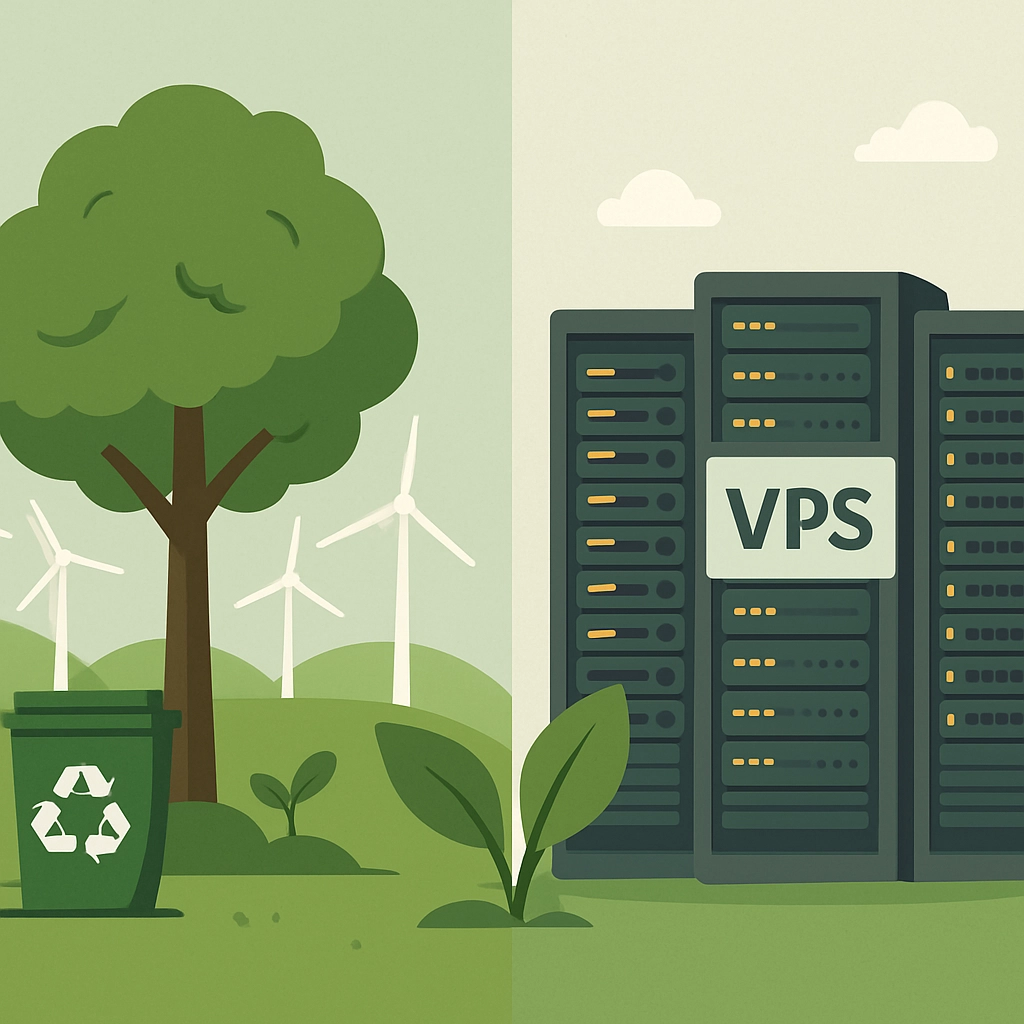
The Environmental Impact of VPS Hosting: Is it Sustainable?
In our increasingly digital world, more businesses are turning to virtual private servers (VPS) for their hosting needs. With the buzz surrounding sustainable technology and the climate crisis, it’s crucial to consider whether VPS hosting is an environmentally friendly option. So, let’s dive into what VPS hosting is, how it works, and the implications it has for our beloved planet.
What is VPS Hosting?
Before we get into the nitty-gritty of its environmental impact, let’s break down VPS hosting. It’s a step up from shared hosting, where multiple websites share the same server resources. With VPS, each website operates on a dedicated virtual slice of a single physical server. This means better performance, greater control, and enhanced security, which are appealing for businesses looking to establish a solid online presence.
The Energy Footprint of Data Centers
Every time you access a website hosted on a VPS, energy is used. Data centers, large buildings filled with servers that keep websites online, require significant amounts of electricity to operate. This not only powers the servers but also keeps them cool. An often-overlooked statistic is that data centers consume about 1-2% of the global electricity supply. That’s a hefty chunk!
The carbon footprint can vary considerably depending on the energy sources powering the data centers. If they rely on fossil fuels, their environmental impact is significantly higher than if they utilize renewable energy sources like wind, solar, or hydropower. Some leading tech companies are making strides in this area, committing to run their data centers on 100% renewable energy. The commitment to sustainability is certainly a step in the right direction.
Virtualization: A Double-Edged Sword
Virtualization is the technology that makes VPS hosting possible. It allows one physical server to host multiple VPS instances, creating optimized resource usage. This technology can decrease energy consumption because fewer physical servers mean less power is needed for operation and cooling.
However, the savings are only effective if companies prioritize energy efficiency. Not every VPS host is the same when it comes to power management. Some might skimp on energy-efficient hardware or adequate cooling systems, negating the benefits of virtualization. When choosing a VPS provider, it’s essential to do a little research on their sustainability practices.
The Waste Concern
Another aspect to consider is electronic waste (e-waste). Servers have a finite lifespan, and as tech rapidly evolves, hardware becomes obsolete, leading to large amounts of e-waste that often end up in landfills. The proper disposal and recycling of this waste are critical for minimizing ecological damage.
Some VPS hosting providers are implementing green policies that promote responsible recycling and refurbishing of hardware. Supporting such companies not only aligns with sustainable practices but also encourages more providers to follow suit.
Beyond Hosting: The Bigger Picture
When considering the environmental impact of VPS hosting, think of the entire digital ecosystem. High-performance VPS enables businesses to scale efficiently. This means reduced website downtime and an overall better experience for users. While it may seem paradoxical, the efficiency gains can lead to a reduction in energy costs and consumption when managed properly.
Furthermore, many businesses are also adopting practices that lean towards eco-friendliness, such as remote work, which traditionally reduces the carbon footprint associated with commuting. By hosting their websites on VPS, they can optimize their operations and showcase a commitment to sustainability, which is increasingly valued by consumers.
Making a Sustainable Choice
So, is VPS hosting sustainable? The answer isn’t black and white. While the technology itself has potential to be more energy-efficient than traditional methods, real sustainability largely depends on the choices made by hosting providers and users. Businesses looking to minimize their environmental impact can take proactive steps:
- Choose a VPS provider committed to sustainability and renewable energy.
- Opt for companies that are transparent about their energy practices.
- Encourage server-side optimizations that can reduce energy usage.
In the end, the responsibility rests with both hosting providers and consumers. As we navigate an increasingly interconnected world, making informed and conscientious choices is crucial. By opting for sustainable VPS hosting, you not only support your business but also contribute to a more eco-friendly future. After all, a healthier planet is one where technology and nature can thrive together harmoniously.
Welcome to DediRock, your trusted partner in high-performance hosting solutions. At DediRock, we specialize in providing dedicated servers, VPS hosting, and cloud services tailored to meet the unique needs of businesses and individuals alike. Our mission is to deliver reliable, scalable, and secure hosting solutions that empower our clients to achieve their digital goals. With a commitment to exceptional customer support, cutting-edge technology, and robust infrastructure, DediRock stands out as a leader in the hosting industry. Join us and experience the difference that dedicated service and unwavering reliability can make for your online presence. Launch our website.