
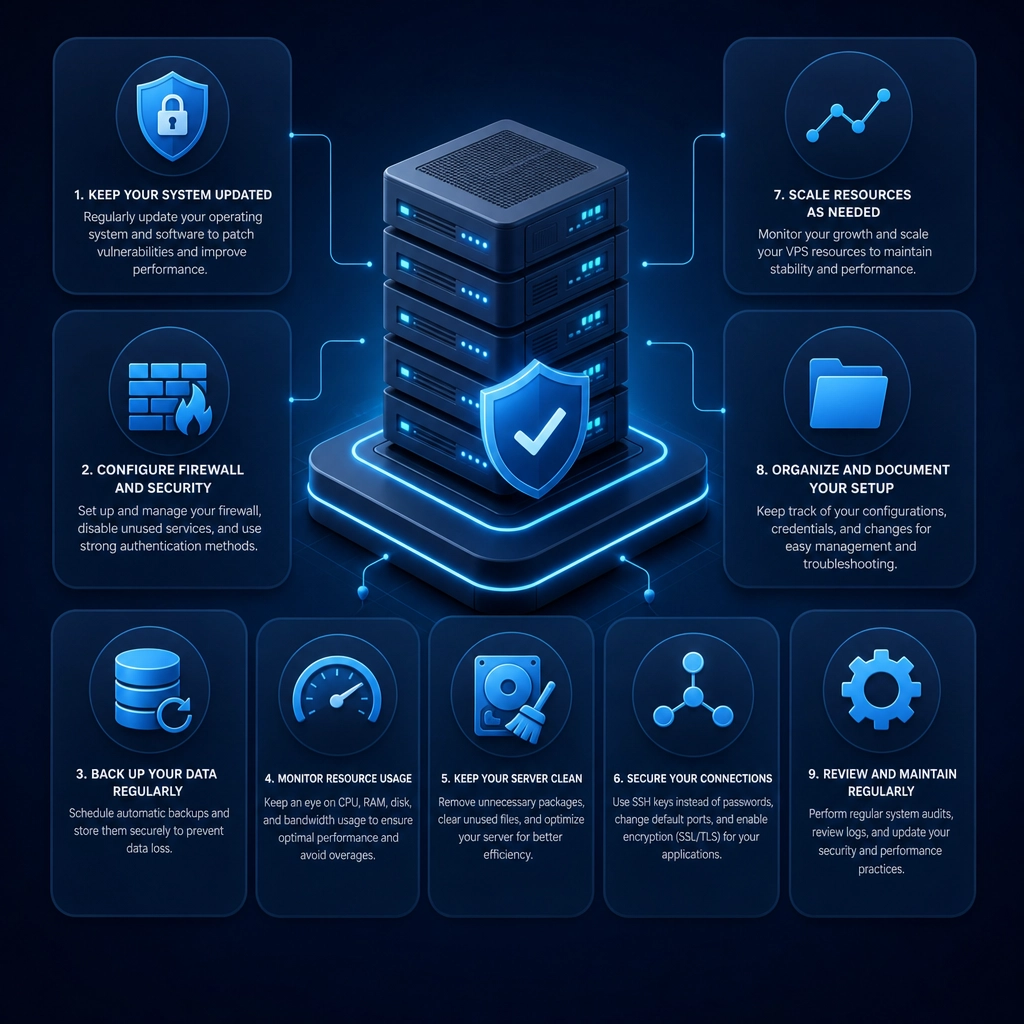
Best Practices for Managing Your VPS Hosting Account
Navigating the world of Virtual Private Server (VPS) hosting can initially feel overwhelming, especially if you’re new to it. A VPS offers you more flexibility and control compared to shared hosting, making it a popular choice for developers, businesses, and bloggers who want a tad more power without jumping to the complexities of dedicated servers. So, how can you make the most of your VPS hosting account? Let’s dive into some best practices that can help you maintain a robust, secure, and efficient server environment.
Understand Your Needs
Before jumping into the technical details, it’s essential to understand what you’re aiming for with your VPS. Are you hosting a website, running applications, or storing data? Clarifying your needs will inform many of your decisions, including which operating system to use, the amount of resources you’ll require, and whether you need additional services like backups or security measures.
Keep It Updated
One of the simplest and most effective practices in managing your VPS is keeping everything updated. This not only includes your operating system but also any software or applications you’re running. Regular updates can address bugs, improve performance, and patch security vulnerabilities. Set a routine for checking updates, or even better, automate the process where possible to avoid missing critical patches.
Implement Security Measures
When it comes to hosting, security should always be front and center. Here are some tips to bolster your VPS security:
-
Use Strong Passwords: This might seem basic, but many people overlook it. Ensure that all your login credentials are robust and unique.
-
Regular Backups: Implement a regular backup routine. Whether it’s weekly or daily, having a backup means you’ll never be caught off guard if something goes wrong.
-
Firewall Settings: Take advantage of built-in firewall tools to filter out unwanted traffic. Configuring rules appropriately can significantly minimize the risk of attacks.
-
SSH Key Authentication: Instead of using passwords, consider using SSH keys for accessing your server. They are more secure and much harder for unauthorized users to crack.
Monitor Resource Usage
One of the great things about a VPS is that you can scale up or down based on your resource needs. Keep an eye on your CPU, memory, and bandwidth usage. Most providers offer monitoring tools that can alert you when you’re nearing your limits. By staying aware of your resource utilization, you can prevent slowdowns and ensure smooth server performance.
Automation is Your Friend
Manual tasks can be time-consuming and often lead to human error. Automate as much of your server management as possible. For instance, you could use scripting to handle routine tasks like updates, backups, or configuration changes. Automation can significantly reduce the workload and help ensure consistency across your operations.
Regularly Audit Your Configuration
Just like you wouldn’t ignore a spilt drink on your kitchen counter, don’t neglect your server configuration. Over time, as you install new applications or updates, configurations can get messy. Conduct regular audits to ensure that services you no longer need are turned off, and confirm that your configurations adhere to best practices for security and performance.
Learn and Adapt
The tech landscape is ever-evolving, and so are the tools and techniques for managing your VPS. Take time to learn best practices not only for your specific hosting provider but also for general server management. Online forums, user guides, and tutorials can be incredibly valuable resources. By staying informed, you can adapt your strategies to optimize performance and efficiency.
Getting Help When Needed
Don’t hesitate to seek help if you find yourself struggling with technical issues. Many hosting companies provide excellent customer support, and you’re often just a chat or ticket away from resolving your problems. Joining online communities or forums can also be beneficial. Sometimes, the solutions you need are just a post away!
Managing a VPS hosting account might feel daunting at first, but these best practices can help streamline your experience. Consider it a powerful tool for your online presence—when set up and maintained correctly, it can handle everything you throw at it. Whether you’re running a blog, an online store, or an application, a well-managed VPS not only creates an efficient environment but also supports your goals. Happy hosting!
Welcome to DediRock, your trusted partner in high-performance hosting solutions. At DediRock, we specialize in providing dedicated servers, VPS hosting, and cloud services tailored to meet the unique needs of businesses and individuals alike. Our mission is to deliver reliable, scalable, and secure hosting solutions that empower our clients to achieve their digital goals. With a commitment to exceptional customer support, cutting-edge technology, and robust infrastructure, DediRock stands out as a leader in the hosting industry. Join us and experience the difference that dedicated service and unwavering reliability can make for your online presence. Launch our website.