
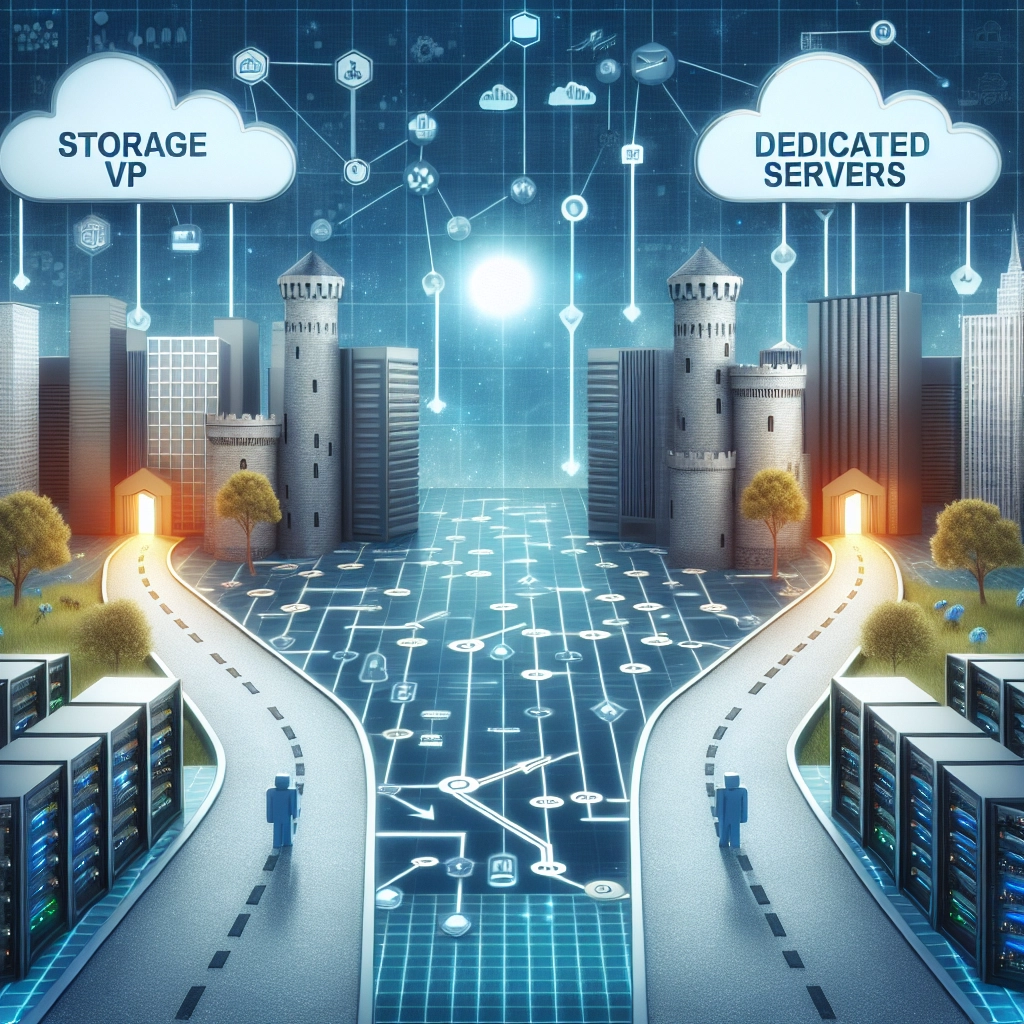
Storage VPS vs Dedicated Servers: Finding the Right Fit for Your Business
When it comes to choosing the right hosting solution for your business, the options can feel overwhelming. With a myriad of acronyms and tech jargon to sift through, it’s easy to get lost. Two of the most popular options are Storage VPS (Virtual Private Server) and Dedicated Servers. Both have their pros and cons, and understanding these differences can help you make an informed decision that fits your business needs perfectly.
What is a Storage VPS?
A Storage VPS is essentially a virtualized server that mimics dedicated server functionality but operates on shared hardware. It gives you a slice of a larger server, complete with its own operating system and allocated resources like CPU, RAM, and storage. What sets a Storage VPS apart is its focus on storage; these are optimized for hosting applications that need a lot of disk space and efficient data retrieval.
You might wonder why a Storage VPS is a good option. If your business is in the cloud storage game, or if you deal with massive datasets, a Storage VPS can provide the scalability and flexibility you need. You can easily upgrade your resources as your business grows, which is a massive plus for startups and small businesses.
Pros of Storage VPS:
- Cost-Effective: Typically less expensive than dedicated servers.
- Scalability: Easily upgrade your resources based on demand.
- Flexibility: Install software and make changes as you please, much like a dedicated server.
- Management: Many providers offer managed VPS services, so you can focus on your business instead of server maintenance.
Cons of Storage VPS:
- Resource Limitations: Although you get dedicated resources, you’re still sharing the underlying hardware with other users.
- Performance Variability: Performance might fluctuate depending on the load of the other VPSs on the physical server.
What is a Dedicated Server?
In contrast, a dedicated server is your own server that you don’t have to share with anyone else. With a dedicated server, all the physical resources—CPU, RAM, and storage—are yours and yours alone. This means you can configure it however you want and run resource-heavy applications without worrying about competing for resources with other users.
Dedicated servers are ideal for larger businesses or those that handle sensitive data and require high-level security. If you’re running complex databases, high-traffic websites, or resource-intensive applications, a dedicated server can provide the reliability and performance you need.
Pros of Dedicated Servers:
- Performance: Since you have all the resources, performance is generally more consistent and reliable.
- Customizability: You can tailor the server’s hardware and software according to your specific needs.
- Security: With your own dedicated environment, you have more control over security settings and measures.
- Stability: Less risk of performance issues due to neighbor server loads, making them more stable for demanding applications.
Cons of Dedicated Servers:
- Cost: Dedicated servers are usually significantly more expensive than VPS options.
- Management Overhead: You’ll need a more hands-on approach to manage and maintain the server, which may require hiring specialized IT personnel.
- Scalability: If you need more resources, migrating to a larger server can be more complex compared to a VPS.
Which One Should You Choose?
Deciding between a Storage VPS and a Dedicated Server ultimately comes down to your specific business needs. If you’re a smaller business or a startup looking for storage solutions without breaking the bank, a Storage VPS might be the perfect choice. The scalability and cost savings can provide the flexibility you need while allowing you to focus on growth.
On the other hand, if your business is larger or requires high performance and security—like financial services or e-commerce—a dedicated server may be the way to go. The investment in dedicated resources can pay off in reliability and performance long term.
Consider also the nature of your workload. Do you manage a high volume of data transactions or host applications that require consistent uptime? The reliability of a dedicated server might outweigh the cost. Conversely, if you’re primarily hosting websites with moderate storage needs, a VPS could serve you well.
Ultimately, there isn’t a one-size-fits-all answer. Take the time to assess your current and future needs, your budget, and what level of control you desire over your server environment. Choosing the right hosting solution can significantly impact your business’s success, so make an informed decision that sets you up for growth and efficiency.
Welcome to DediRock, your trusted partner in high-performance hosting solutions. At DediRock, we specialize in providing dedicated servers, VPS hosting, and cloud services tailored to meet the unique needs of businesses and individuals alike. Our mission is to deliver reliable, scalable, and secure hosting solutions that empower our clients to achieve their digital goals. With a commitment to exceptional customer support, cutting-edge technology, and robust infrastructure, DediRock stands out as a leader in the hosting industry. Join us and experience the difference that dedicated service and unwavering reliability can make for your online presence. Launch our website.