
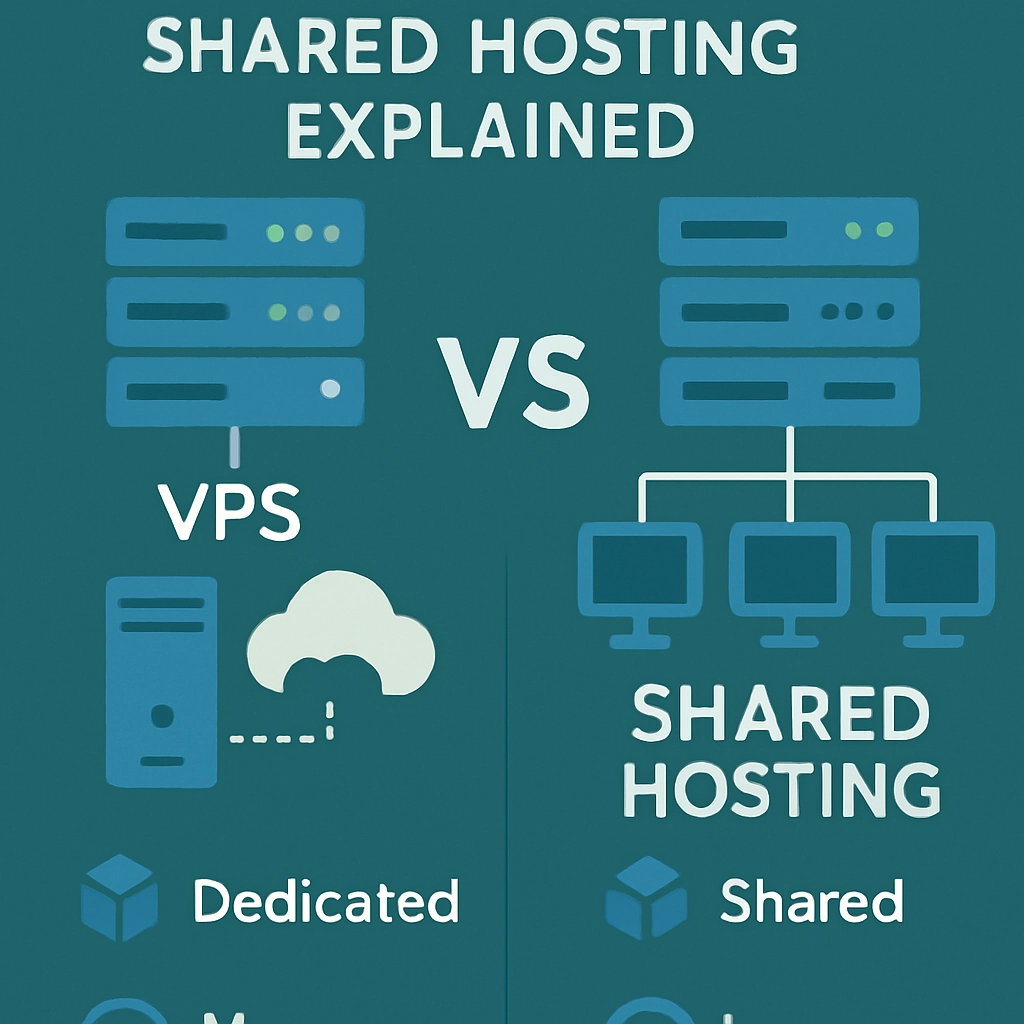
When you’re diving into the world of web hosting, you might find yourself facing a classic conundrum: shared hosting or virtual private server (VPS) hosting? While both options cater to different needs and budgets, understanding the key differences can help you make an informed decision that suits your website perfectly. Let’s break it down!
What is Shared Hosting?
Imagine a bustling apartment building where each tenant has their own unit but shares common facilities like the pool, gym, and laundry room. That’s pretty much how shared hosting works! In shared hosting, multiple websites reside on a single server, sharing the server’s resources, such as CPU, RAM, and storage. This makes it an extremely budget-friendly option for individuals, small businesses, or startups just beginning their online journey.
The Perks of Shared Hosting
-
Affordability: If you’re on a tight budget, shared hosting is often the cheapest option available. Some providers offer plans starting at just a few dollars a month.
-
Managed Services: Most shared hosting providers take care of server maintenance, security updates, and backups. This can be a huge relief if you’re not technically inclined or simply don’t want to deal with server management.
-
Ease of Use: Shared hosting typically includes user-friendly interfaces and one-click installers for popular content management systems like WordPress. This makes it easy for newbies to get started.
What is VPS Hosting?
Now, let’s switch gears and take a look at VPS hosting. Picture it as a luxury condo complex where each unit is independent but still has some shared amenities. In VPS hosting, a physical server is divided into multiple virtual servers, each allocated a certain amount of resources. This allows for greater control, reliability, and performance than what you’d find in a shared hosting environment.
The Advantages of VPS Hosting
-
Performance: VPS hosting offers dedicated resources. Unlike shared hosting, where your site’s performance is impacted by the activities of other neighbors, with VPS, you have guaranteed CPU and RAM. This means your website can handle higher traffic without slowing down.
-
Customization: With a VPS, you have more control over the server environment. You can install custom software, manage security settings, and make configuration changes to meet your specific needs—something that’s typically not possible with shared hosting.
-
Scalability: As your website grows, so do your hosting needs. VPS hosting allows you to easily scale your resources by upgrading your plan without the hassle of migrating to a new server.
Key Differences Between VPS and Shared Hosting
Now that you have a feel for both options, let’s highlight some key differences:
-
Resource Allocation: In shared hosting, resources are shared among all users, which can lead to performance issues if another site uses excessive resources. VPS hosting provides dedicated resources, ensuring your website runs smoothly regardless of others’ activities.
-
Control and Customization: With shared hosting, your control is limited. In contrast, a VPS gives you administrative access, allowing you to tweak settings and install applications according to your needs.
-
Performance and Load Handling: If traffic spikes occur, shared hosting can struggle, potentially leading to slow loading times—or worse, downtime. VPS hosting better handles higher loads and busy traffic, reducing the chances of interruptions.
-
Security: Security is generally a weak point in shared hosting. If one site is compromised, others may be at risk. VPS hosting enhances security as each virtual server operates independently.
-
Cost: As expected, shared hosting is cheaper than VPS. However, the cost typically mirrors the service level—shared hosting is great for small blogs or personal sites, while VPS is better suited for growing businesses needing better performance and control.
Which One Should You Choose?
If you’re just starting out, perhaps with a small blog or a personal website, shared hosting can be a great fit—it’s cost-effective and easy to manage. However, as your website grows and demands more resources, or if you require specific configurations, transitioning to VPS hosting might be the better choice.
In the end, the best hosting solution depends on your unique needs. Understanding the differences between VPS and shared hosting is a crucial step in choosing the right path for your website journey. Whether you opt for the friendly budget confines of shared hosting or decide to unleash the freedom and power of VPS, what’s most important is to choose an option that aligns with your goals and future plans. Happy hosting!
Welcome to DediRock, your trusted partner in high-performance hosting solutions. At DediRock, we specialize in providing dedicated servers, VPS hosting, and cloud services tailored to meet the unique needs of businesses and individuals alike. Our mission is to deliver reliable, scalable, and secure hosting solutions that empower our clients to achieve their digital goals. With a commitment to exceptional customer support, cutting-edge technology, and robust infrastructure, DediRock stands out as a leader in the hosting industry. Join us and experience the difference that dedicated service and unwavering reliability can make for your online presence. Launch our website.