
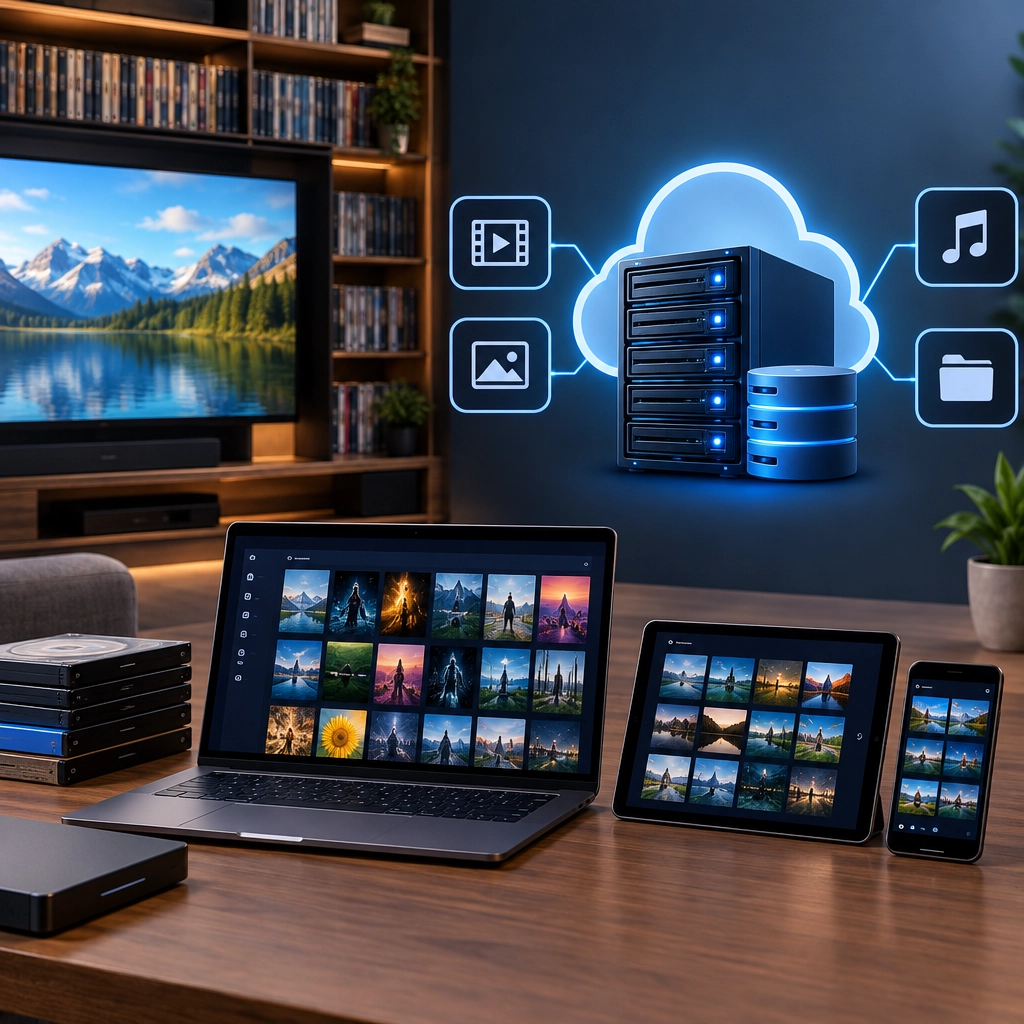
Is a Storage VPS a Good Fit for Media Libraries?
If your movie collection, music library, or archive of family videos is starting to outgrow your laptop, a storage VPS may look like an appealing solution. It gives you a place to keep files online, often with more disk space than a standard virtual private server. But is it the right home for a media library? The answer depends on how you plan to store, access, and share your files.
What makes a storage VPS different?
A storage VPS is a virtual server configured to emphasize disk capacity. Instead of paying for powerful processing and graphics resources you may not need, you can prioritize space for large files. Depending on the provider, you may also get a fixed amount of bandwidth, a choice of storage type, and enough control to install your own software.
That flexibility is a major draw. You can organize files your way, set up remote access, and run applications that catalog or serve your media. Unlike a typical consumer cloud drive, a VPS may give you more control over the environment and how it’s configured.
When it’s a good fit
A storage VPS can work well for a personal media library when you want centralized, remote access. Instead of copying files between devices, you can keep them in one place and connect from home or while traveling. It can also be useful for storing media you don’t need on your main computer every day, such as older projects, backups, or a large music collection.
It’s a particularly reasonable option if you’re comfortable with basic server administration. You may need to configure storage, manage user accounts, set up secure connections, and keep software updated. If that sounds manageable—or enjoyable—a VPS can offer plenty of room to tailor your setup.
A storage VPS may also suit libraries that are mostly downloaded or archived rather than constantly streamed. Keeping large files remotely can free up space on local devices, while still making them available when you need them.
Where it can fall short
The biggest question is streaming performance. A server can have lots of storage and still be a poor fit for smooth playback. Streaming depends on the provider’s network, the server’s connection, your home internet, and the media format. High-bitrate 4K video, multiple simultaneous streams, or transcoding—the process of converting a file into a format a device can play—can demand more resources than a storage-focused VPS provides.
Bandwidth limits matter, too. Some providers include generous monthly transfer, while others charge extra or impose restrictions. A large library may not use much bandwidth if it sits untouched, but frequent streaming—especially by multiple people—can add up quickly. Check the plan’s transfer allowance and rules before committing.
There’s also maintenance. A VPS isn’t automatically a managed media service. You’re generally responsible for configuration, security updates, access controls, and troubleshooting. And while a VPS can store your files, it shouldn’t be the only copy of anything important. Hardware failures, accidental deletion, account issues, or misconfiguration can still result in data loss.
Finally, review the provider’s terms of service. Make sure your intended use is allowed, particularly if you plan to share access with others or serve a large amount of traffic.
Questions to ask before choosing one
Before signing up, consider:
- How much storage do you really need? Leave room for growth and backups.
- Will you stream, or mostly archive? Streaming puts more pressure on bandwidth and performance.
- Do you need transcoding? If so, check the CPU resources and whether the server can handle it.
- Is the bandwidth allowance sufficient? Estimate usage across all viewers and devices.
- How will you protect your data? Plan for a separate backup, not just a second folder on the same server.
So, is it worth it?
A storage VPS can be a good fit for a media library if you value control, need substantial remote storage, and are willing to handle some setup and upkeep. It’s less compelling if you want effortless streaming, automatic backups, and a polished interface with minimal technical work. In that case, a dedicated media service, network-attached storage at home, or a managed cloud platform may be easier.
The best choice isn’t simply the one with the most terabytes. It’s the one that matches how you actually use your library: whether you’re preserving files for later, streaming every night, or sharing with family across several devices. Start with those habits, then choose a setup that keeps your media accessible—and your expectations realistic.
Welcome to DediRock, your trusted partner in high-performance hosting solutions. At DediRock, we specialize in providing dedicated servers, VPS hosting, and cloud services tailored to meet the unique needs of businesses and individuals alike. Our mission is to deliver reliable, scalable, and secure hosting solutions that empower our clients to achieve their digital goals. With a commitment to exceptional customer support, cutting-edge technology, and robust infrastructure, DediRock stands out as a leader in the hosting industry. Join us and experience the difference that dedicated service and unwavering reliability can make for your online presence. Launch our website.