
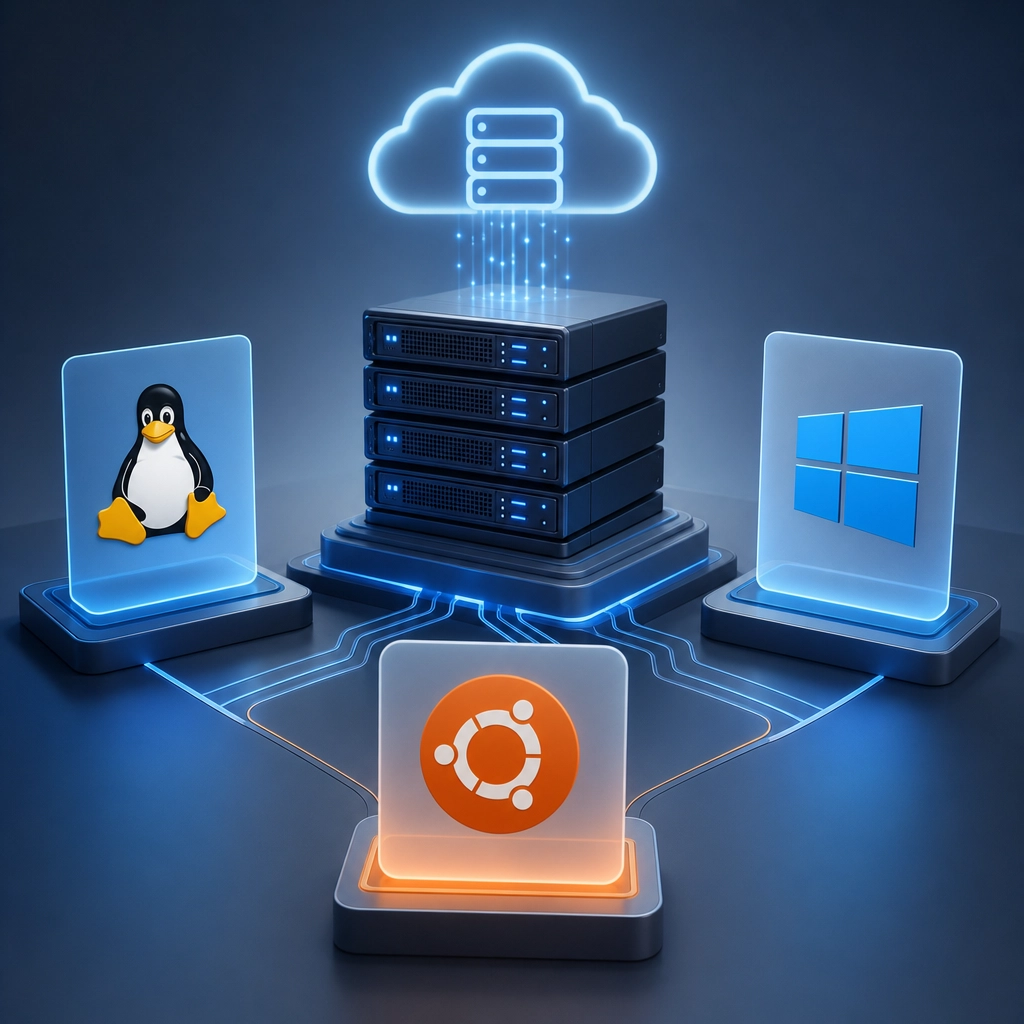
Choosing the Right Operating System for Your VPS
When it comes to setting up a Virtual Private Server (VPS), one of the most important decisions you’ll make is choosing the right operating system (OS). The OS is the backbone of your server, influencing everything from performance and stability to security and compatibility. With a multitude of options available, finding the best fit for your specific needs can feel a bit overwhelming. But fear not! Let’s unpack the various operating systems and help you make a more informed choice.
Understanding VPS and Its Importance
A Virtual Private Server is like having your own slice of the internet, allowing you to run web applications, host websites, or manage online businesses without needing a physical server. Unlike shared hosting, a VPS offers dedicated resources, providing better performance and control. Hence, selecting the right OS is crucial, as it will affect everything from how user-friendly your server is to the type of applications you can run.
Popular Operating Systems for VPS
-
Linux
This is possibly the most popular choice for VPS hosting. With its open-source nature, Linux is free, flexible, and highly customizable. There are numerous distributions, or "distros," of Linux, each catering to different user needs. Some of the most common ones include:-
Ubuntu: Renowned for its ease of use, Ubuntu is fantastic for beginners and seasoned pros alike. Its large community means you’ll have plenty of support and resources at your disposal.
-
CentOS: Often favored for enterprise-level applications, CentOS is stable and secure, making it a great choice for businesses that require reliability.
-
Debian: Known for its robust performance, Debian is favored by advanced users. It’s less user-friendly out of the box but is extremely stable and well-supported.
-
Fedora: This offers cutting-edge features and the latest technology, which can be a double-edged sword. Great for developers but might not be ideal for production environments due to its rapid release cycle.
-
-
Windows Server
If you’re already entrenched in the Windows ecosystem, the Windows Server OS might be the best choice for your VPS. It offers straightforward integration with Microsoft products and services, making it ideal if you’re using applications such as ASP.NET or SQL Server. However, it comes with licensing fees, so keep that in mind when budgeting. -
FreeBSD
A less common yet powerful option, FreeBSD is a variant of Unix and is known for its performance and advanced networking features. It can be a bit more challenging to set up compared to Linux or Windows, but if you’re looking for robust performance, especially for web services and networking, it could be worth considering.
Factors to Consider When Choosing Your OS
-
Purpose of Your VPS: What do you aim to achieve with your server? If you’re hosting a website, Linux distributions such as Ubuntu or CentOS might be ideal. However, if you’re running specialized applications that require Windows, you’d likely lean towards Windows Server.
-
Technical Skill Level: If you’re not particularly tech-savvy, opting for an OS with strong community support and documentation, like Ubuntu, can make a significant difference. Some systems, like Debian, may require a higher level of expertise.
-
Support and Maintenance: An OS with strong community support and frequent updates can prove invaluable. Linux has a large base of users and frequent updates, while Windows has dedicated support from Microsoft.
-
Resource Allocation: Different OSs have varying levels of resource consumption. Linux distros are generally lighter and can run more efficiently in resource-constrained environments compared to Windows.
Testing and Experimentation
If you’re still unsure, many hosting providers allow you to create trial VPS instances. Use this opportunity to experiment with different OS options and see which one resonates with you. This hands-on approach can offer insights that reading about the operating systems simply can’t provide.
Making the Final Call
Choosing the right operating system for your VPS boils down to your unique requirements. Each OS has its strengths; Linux is great for general use, Windows is ideal for Microsoft-centric environments, and FreeBSD offers excellent networking capabilities. Ultimately, consider what you’ll be hosting, your own technical comfort level, and the resources you’ll need.
In the world of VPS hosting, the right operating system can mean the difference between a smooth sailing experience and frustrating hiccups. Take your time, gather information, and trust your instincts. With the right OS in your corner, you’ll be that much closer to achieving your online goals!
Welcome to DediRock, your trusted partner in high-performance hosting solutions. At DediRock, we specialize in providing dedicated servers, VPS hosting, and cloud services tailored to meet the unique needs of businesses and individuals alike. Our mission is to deliver reliable, scalable, and secure hosting solutions that empower our clients to achieve their digital goals. With a commitment to exceptional customer support, cutting-edge technology, and robust infrastructure, DediRock stands out as a leader in the hosting industry. Join us and experience the difference that dedicated service and unwavering reliability can make for your online presence. Launch our website.