
The Best Use Cases for a Storage VPS
When you need a lot of online storage, cloud drives and external hard drives aren’t your only options. A storage VPS—a virtual private server configured with ample disk space—can give you a flexible place to keep files while also letting you decide how they’re organized, accessed, and shared.
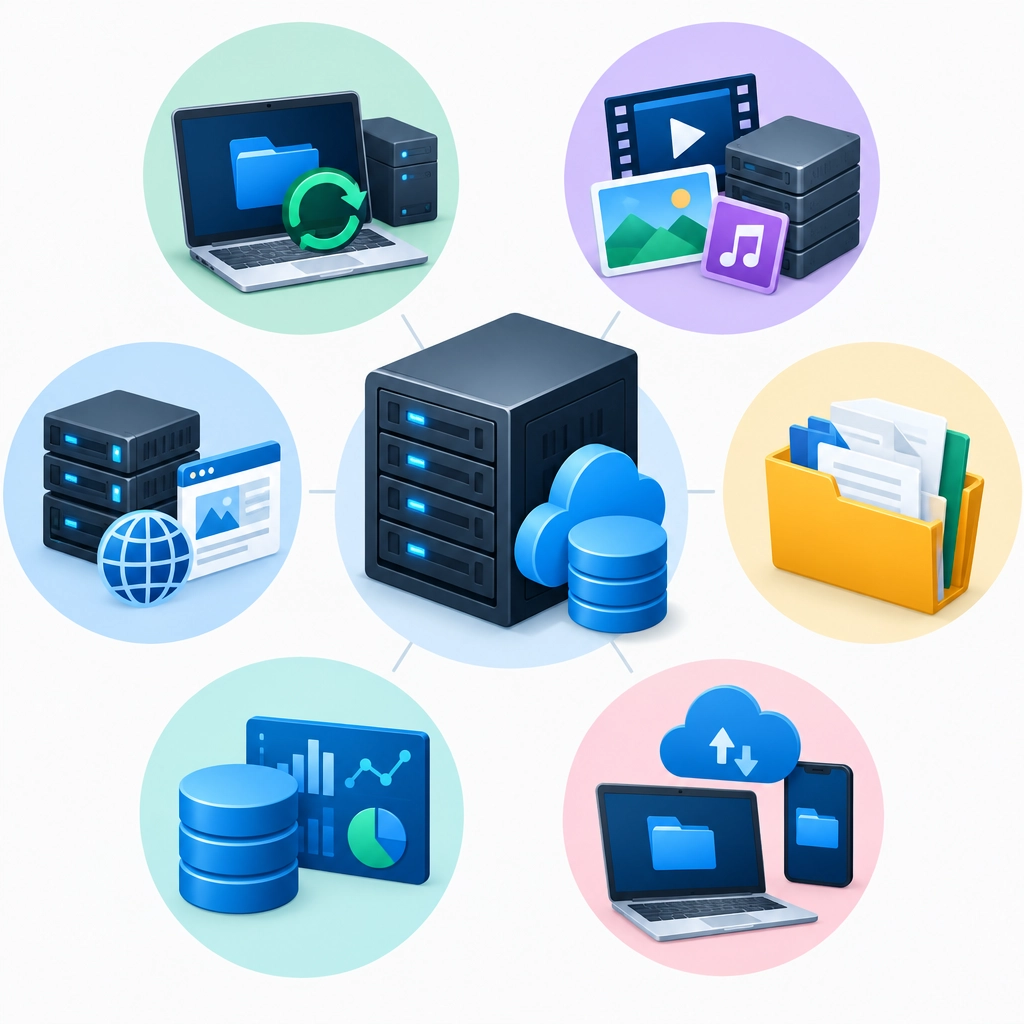
Unlike a basic file-storage service, a VPS gives you more control over the software running on the server. That flexibility makes it useful for all kinds of projects, from backing up family photos to hosting files for a team. Here are some of the best ways to put one to work.
Personal file backups
A storage VPS can serve as an off-site destination for backups of your computer, phone, or home server. Because your files are stored on a separate machine, a local hardware failure, theft, or accidental deletion is less likely to wipe out every copy.
You can schedule backups with tools such as rsync or restic, and encrypt them before they leave your device. That last step matters: keeping your own encryption keys can help protect sensitive files even if the server itself is compromised.
A VPS shouldn’t necessarily be your only backup. A stronger plan keeps multiple copies in different places, such as one on your computer, one on the VPS, and another on a separate drive or provider.
A private cloud drive
Want something like a personal version of Dropbox or Google Drive? You can install software such as Nextcloud or Seafile on a storage VPS and use it to sync files across devices, share links, and manage folders.
This option is appealing if you want more control over where your data lives or how your cloud storage works. It can also be a good fit for a household or small group that needs shared access without paying for a separate account for every person.
The trade-off is that you’re responsible for setup and upkeep. You’ll need to keep the software updated, configure secure access, and monitor available disk space.
Media libraries and personal streaming
A storage VPS can hold a collection of music, photos, or video files that you can access remotely. With a media-management app, you may be able to organize the collection, browse it from different devices, and stream content while away from home.
This works best when the VPS provider’s network and disk performance match your needs. Large video files can use a lot of bandwidth, and smooth streaming depends on factors like your connection speed, the server’s location, and whether your media needs to be converted into a different format.
Before uploading a large library, check your provider’s storage, bandwidth, and acceptable-use policies.
File sharing and project collaboration
If you regularly send large files to clients, collaborators, or friends, a storage VPS can be a convenient place to host downloads. You can create shared folders, generate download links, or run a lightweight file-sharing application.
It’s especially useful for creative projects involving video footage, design files, audio recordings, or large software builds. Instead of relying on email attachments or expiring transfer links, you can keep project files in one location and control who can reach them.
For confidential material, use password protection or user accounts, and remove access when it’s no longer needed.
Website and application storage
Websites sometimes need extra room for uploads, product images, archives, or generated files. A storage VPS can act as a separate place to keep that data, rather than filling up the main server that runs the site.
Separating storage from application hosting can make it easier to manage resources and backups. It can also help if you run multiple websites or services that need access to the same files. Just make sure the connection between servers is secure and that your application can handle temporary storage interruptions gracefully.
A backup target for servers
If you manage a website, database, or home lab, a storage VPS can be the destination for automated server backups. You might store database dumps, configuration files, logs, or snapshots there and retain older versions in case a recent update causes problems.
A useful backup is one you can restore, so test the process—not just the upload. Confirm that files are complete, that credentials are available, and that you know how to recover them under pressure.
Choosing the right use
A storage VPS is most valuable when you want more control than a standard storage service provides, or when you need storage that can support a broader project. Before choosing one, look beyond the advertised disk size: check backup options, bandwidth limits, storage type, security features, and support.
With a clear purpose and a little maintenance, a storage VPS can become a dependable home for the files and services you rely on—without locking you into a one-size-fits-all setup.
Welcome to DediRock, your trusted partner in high-performance hosting solutions. At DediRock, we specialize in providing dedicated servers, VPS hosting, and cloud services tailored to meet the unique needs of businesses and individuals alike. Our mission is to deliver reliable, scalable, and secure hosting solutions that empower our clients to achieve their digital goals. With a commitment to exceptional customer support, cutting-edge technology, and robust infrastructure, DediRock stands out as a leader in the hosting industry. Join us and experience the difference that dedicated service and unwavering reliability can make for your online presence. Launch our website.