
Dedicated Servers Explained: A Beginner’s Guide
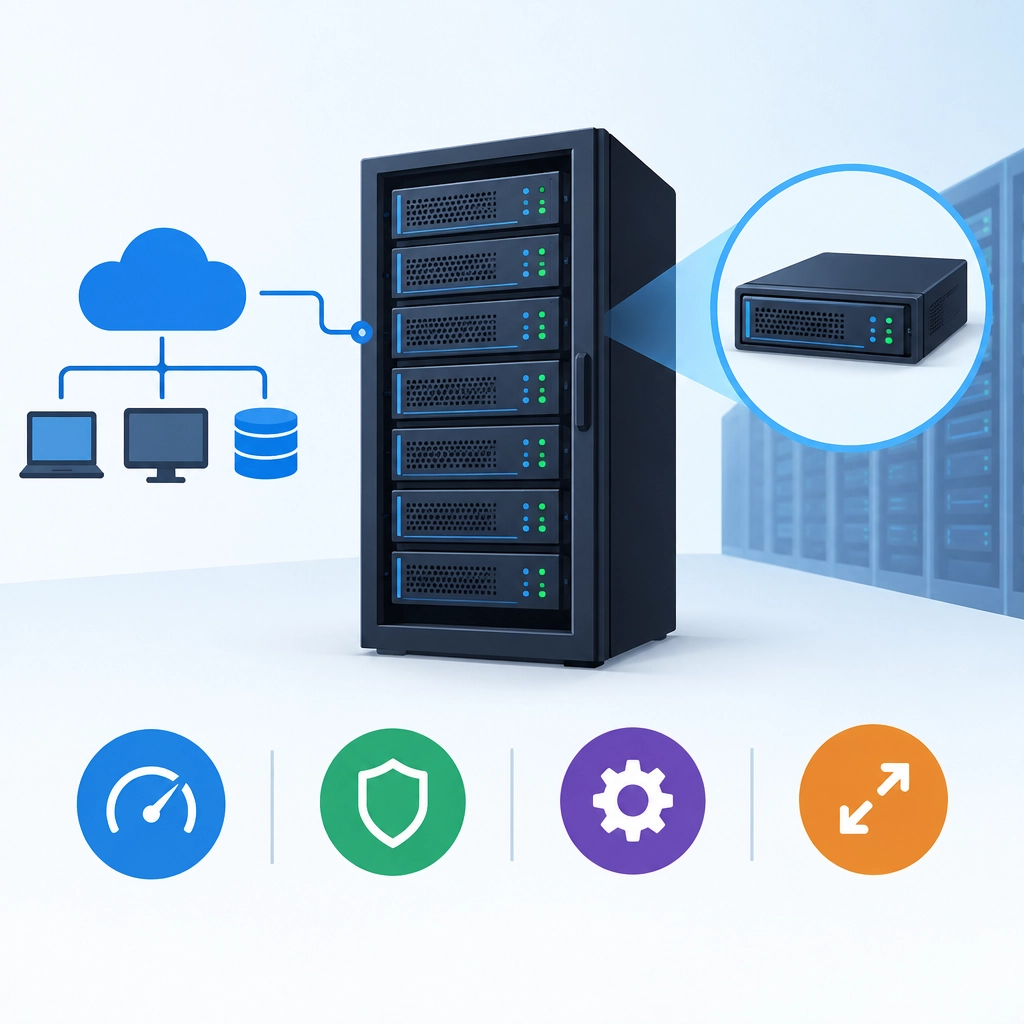
If you’re choosing a place to host a website, app, or online game, you’ve probably come across the term dedicated server. It can sound technical, but the basic idea is simple: a dedicated server is a physical computer that’s reserved for one customer’s use.
That setup offers plenty of control and computing power—but it also comes with more responsibility and cost than some alternatives. Here’s what beginners should know before deciding whether a dedicated server is the right fit.
What is a dedicated server?
A server is a computer that stores data and delivers it to other devices over a network. When someone visits your website, for example, their browser asks the server for the pages, images, and other files it needs.
With shared hosting, multiple customers use the same server. With a dedicated server, you rent or own the entire machine. Its processor, memory, storage, and network resources are not shared with unrelated customers.
Dedicated servers are often housed in data centers, where providers supply reliable power, cooling, and network connections. You may manage the server yourself, or choose a managed plan where the provider handles some or most routine maintenance.
How is it different from other hosting?
The main alternatives are shared hosting and cloud or virtual private server (VPS) hosting.
- Shared hosting is generally the simplest and least expensive option. Several websites use one server, which works well for many smaller projects.
- VPS hosting divides a physical server into separate virtual machines. You get a more isolated environment than shared hosting, without renting the whole physical machine.
- Cloud hosting uses virtual resources from a network of servers. It can make it easier to scale capacity up or down, depending on the provider and setup.
- Dedicated hosting gives you exclusive use of one physical server, with more direct control over its configuration and resources.
These categories can overlap in practice. Providers package and manage their services differently, so it’s worth checking exactly what a plan includes.
Why choose a dedicated server?
The clearest advantage is consistent access to the machine’s resources. Your performance is less likely to be affected by other customers’ activity on the same server. That can be useful for resource-intensive websites, large databases, busy applications, or multiplayer game servers.
Dedicated servers also allow extensive customization. Depending on your provider and operating system, you may be able to select the software, configure the network, and fine-tune the server for your workload.
There can be security and compliance benefits, too. Having a machine reserved for your organization may help with certain policies or technical requirements. But a dedicated server isn’t automatically secure: it still needs updates, access controls, backups, monitoring, and a sensible security setup.
What are the trade-offs?
A dedicated server typically costs more than shared hosting or a basic VPS. You’re paying for an entire physical machine, including resources you may not use all the time.
There’s also more to manage. On an unmanaged server, you may be responsible for installing updates, configuring services, monitoring performance, and responding to problems. That takes time and technical knowledge. A managed plan can reduce that workload, but usually costs more and may limit some configuration choices.
Finally, scaling isn’t always as quick as adding resources to a cloud service. Upgrading a physical server may require a plan change, migration, or replacement machine.
Who needs one?
A dedicated server may make sense when a project has high or predictable resource needs, requires particular software or configurations, or has outgrown shared and virtual hosting. Businesses with experienced technical staff may also value the extra control.
For a new blog, portfolio, or small website, a dedicated server is often unnecessary. A shared plan or VPS may be easier to run and far less expensive. Starting with a simpler option is perfectly reasonable; you can upgrade when you have a clear need.
What to check before you buy
Before choosing a plan, consider:
- Managed or unmanaged: Who handles updates, setup, and troubleshooting?
- Specifications: Are the processor, memory, storage, and bandwidth suitable for your workload?
- Backups: Are they included, and can you restore data easily?
- Support: Is help available when you need it, and what does the service cover?
- Upgrades: How easy is it to add capacity or move to another plan?
- Total cost: Account for software licenses, backups, support, and administration—not just the monthly price.
A dedicated server is best understood not as an automatic upgrade, but as a tool for a particular job. If you need exclusive resources and deeper control—and have a plan for managing the machine—it can be a powerful foundation. If you don’t, a simpler hosting option may leave you with more time and budget to focus on what you’re building.
Welcome to DediRock, your trusted partner in high-performance hosting solutions. At DediRock, we specialize in providing dedicated servers, VPS hosting, and cloud services tailored to meet the unique needs of businesses and individuals alike. Our mission is to deliver reliable, scalable, and secure hosting solutions that empower our clients to achieve their digital goals. With a commitment to exceptional customer support, cutting-edge technology, and robust infrastructure, DediRock stands out as a leader in the hosting industry. Join us and experience the difference that dedicated service and unwavering reliability can make for your online presence. Launch our website.