
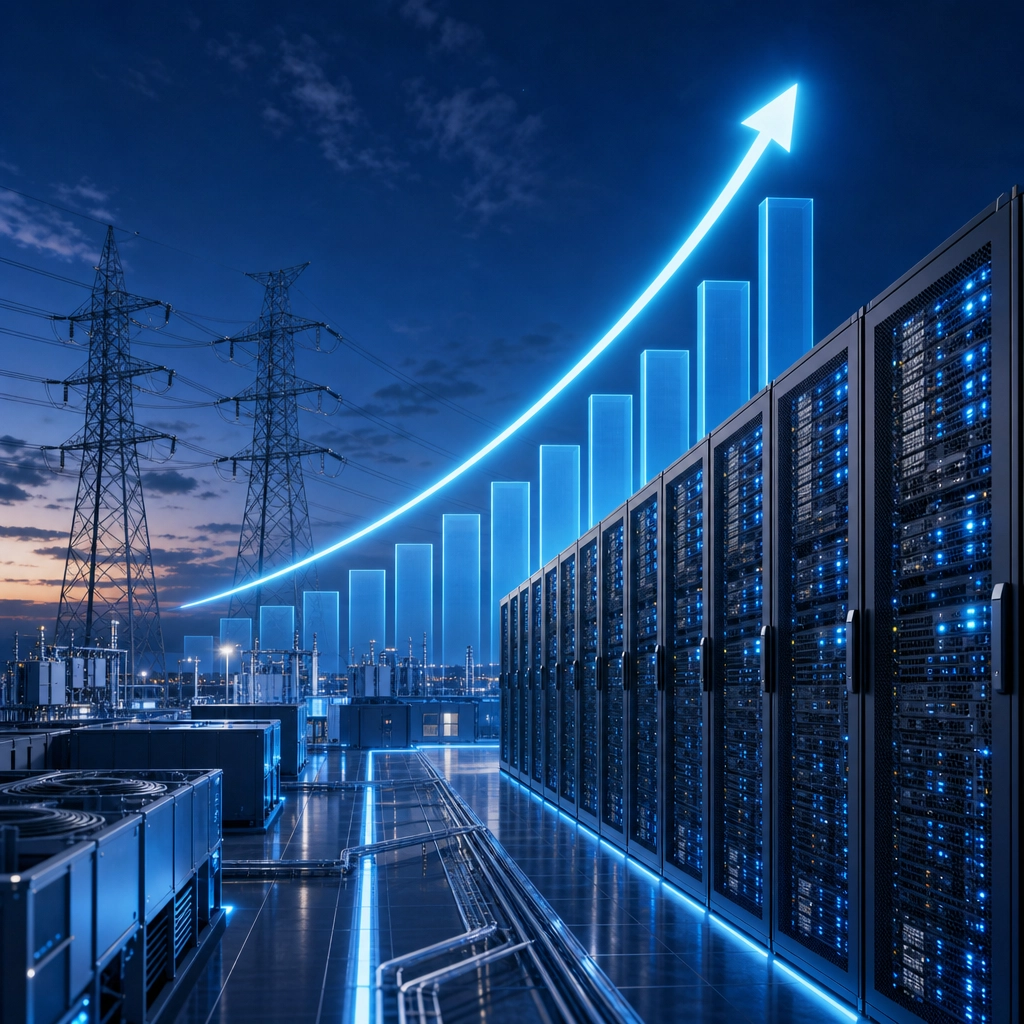
Data center electricity demand is projected to rise by 24% annually through 2030, according to insights from McKinsey’s Global Energy Perspective 2026. This sharp increase positions data centers as major contributors to new electricity consumption, highlighting a complex interplay between power supply challenges and computing capacity requirements.
Developers face immediate hurdles in securing adequate power to meet the burgeoning demand for computing resources. The scenario unfolds against a backdrop of uncertainties beyond 2030, raising questions about future infrastructure investments. Sam DeFabrizio, a partner at McKinsey, mentions that upcoming power supply forecasts may fall short of IT compute demands until 2030, necessitating strategic planning by developers.
A closer examination of the power supply reveals several constraints, including the slow pace of interconnection approvals, permitting processes, and the time needed to procure transformers and other necessary components. These factors significantly influence the development timeline of power infrastructure. To address the risks of slower power supply vs. rising computing demand, construction capacity must also be improved.
Developers are increasingly looking to on-site power generation methods—such as gas engines, turbines, and battery storage—to bypass utility infrastructure requirements and hasten power access. While natural gas is a prominent option for adding power capacity, competition for pipeline infrastructure can introduce significant delays, complicating project timelines. Locating near gas production sites can mitigate some of these challenges, although securing pipeline rights-of-way is often contentious and time-consuming.
Battery storage systems can enhance operational flexibility and cost management, but they come with reliability trade-offs if not accompanied by generation capabilities. As over 60% of operators consider balancing onsite generation with grid reliance, the strategy evolves into one of creating flexible assets that can serve multiple roles, including backup once grid connections are established.
Looking ahead to 2030 and beyond, planners and developers must embrace a strategy that anticipates multiple energy futures. This approach should involve careful capital allocation aligned with projected market shifts, securing reliable power resources, and fostering community engagement to address local concerns and maximize benefits.
In sum, data center developers are tasked with not only meeting immediate electricity demands but also navigating a landscape of uncertain future energy dynamics, focusing on efficient power management, and flexible infrastructure solutions. The path forward calls for proactive strategies that balance risks and adapt to evolving technology and AI efficiencies.
Welcome to DediRock, your trusted partner in high-performance hosting solutions. At DediRock, we specialize in providing dedicated servers, VPS hosting, and cloud services tailored to meet the unique needs of businesses and individuals alike. Our mission is to deliver reliable, scalable, and secure hosting solutions that empower our clients to achieve their digital goals. With a commitment to exceptional customer support, cutting-edge technology, and robust infrastructure, DediRock stands out as a leader in the hosting industry. Join us and experience the difference that dedicated service and unwavering reliability can make for your online presence. Launch our website.