
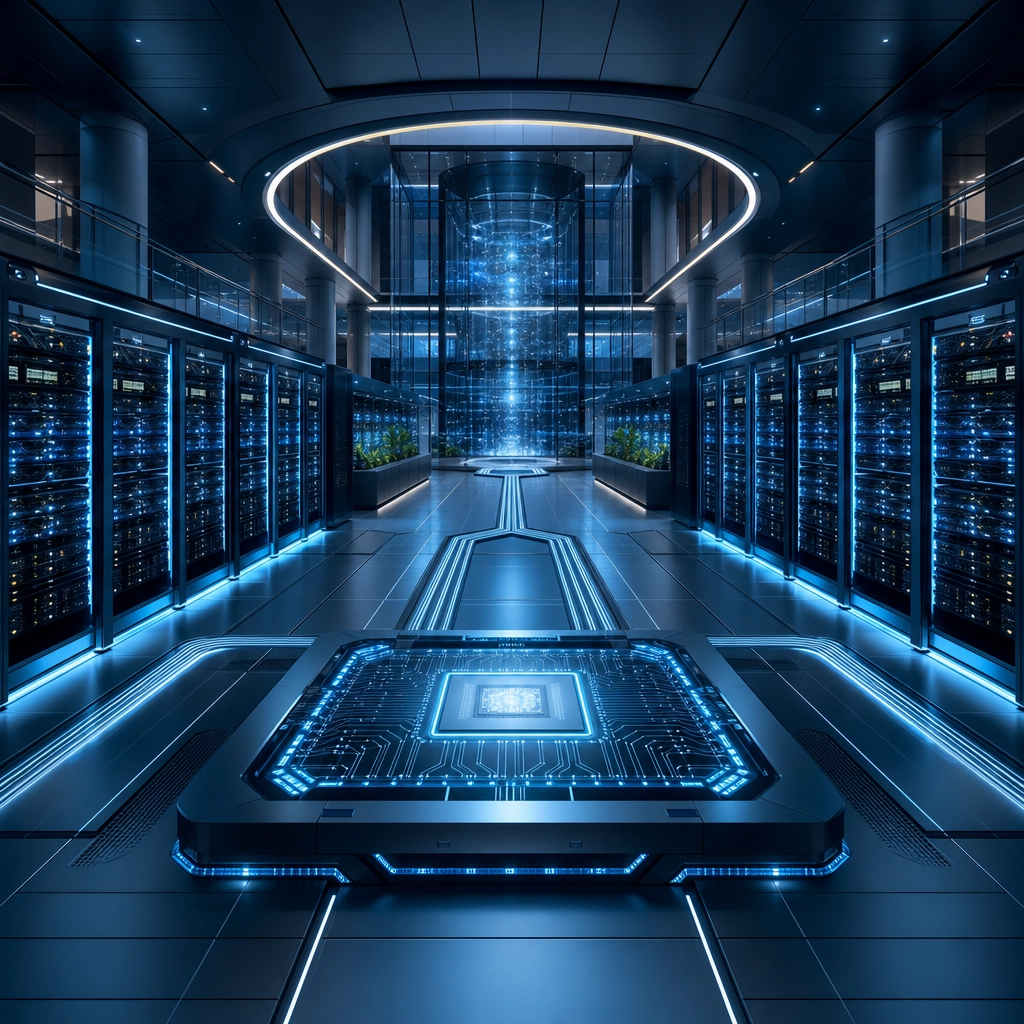
AI infrastructure design is evolving rapidly, driven by the need for systems that efficiently integrate power, cooling, and computing to handle the unpredictable demands of AI workloads. Traditional data center design focused primarily on building capacity, but this approach is insufficient in the age of AI, where workloads can vary greatly.
To effectively support high-density, dynamic workloads, data centers must optimize the use of power and resources. This involves a shift in strategy – moving beyond simple efficiency to a comprehensive understanding of how different elements of infrastructure interact. By effectively leveraging existing resources, data center operators can lower operational costs, enhance resilience, and better adapt to changing workloads.
With over 1,500 data centers currently under development in the U.S., operators have the chance to build these integrations from the ground up rather than attempting retrofits later. The focus is now on a holistic approach that balances power, cooling, compute capabilities, and operational efficiency.
The Push for Efficiency
The rise of AI has increased the complexity of data center operations. Every decision made regarding infrastructure can impact related areas. For instance, changes to power management affect cooling needs, while cooling decisions influence energy and water usage. The interconnected nature of these systems necessitates collaboration among teams to understand the implications of their choices.
By implementing a systems-level approach to design, operators can assess the balance between expanding capacity and the efficient utilization of existing resources. This approach also aims to reduce the reliance on costly retrofits, ensuring that systems remain efficient and integrated from conception.
Comprehensive Measures of Efficiency
While Power Usage Effectiveness (PUE) has long been a benchmark for measuring efficiency, the definition of efficiency in modern data centers has expanded. Recent improvements in average PUE—from 2.50 in 2007 to 1.52 in 2026—demonstrate that operators must look beyond a single metric.
Effective AI infrastructure should also incorporate:
- Water Usage Effectiveness (WUE): Evaluating water consumption related to operations.
- Carbon Usage Effectiveness (CUE): Assessing the carbon footprint of energy consumption.
- Energy Reuse Effectiveness (ERE): Examining how well energy is reused within the facility.
- Compute Power Efficiency (CPE): Measuring IT equipment utilization against energy overhead.
- Grid-aware operations (GAE): Developing systems that can adapt power usage based on grid conditions.
These metrics collectively create a more nuanced understanding of efficiency and help in balancing capacity against demand.
Designing for Real-World Workloads
To optimize efficiency effectively, data centers must consider how actual workloads behave on a daily basis. Implementing integrated power and cooling solutions can enhance reliability and simplify scaling efforts. Modular designs allow for adaptations as workload demands shift.
As AI infrastructures expand in the U.S., this strategy will also improve supply chain responsiveness and spur closer collaboration among technology providers, bolstered by increased investment in domestic manufacturing.
Ongoing Efficiency Assessment
Efficiency is not a one-time achievement but a continuous process requiring ongoing evaluation throughout the lifecycle of infrastructure. Monitoring metrics related to energy, water, carbon, and more provides valuable insights for operators, enabling timely adjustments to ensure optimal performance.
Future-Proofing AI Infrastructure
As the demand for AI continues to rise, capacity alone will not suffice. Operators must prioritize building infrastructure that emphasizes efficiency, reliability, and adaptability from the outset. A systems-level approach that integrates all components of data center operations will enable resource optimization, cost management, and enhanced resilience for future needs.
In summary, the measure of successful AI infrastructure will be rooted not just in capacity but in its capacity to efficiently support an evolving landscape of workloads.
Welcome to DediRock, your trusted partner in high-performance hosting solutions. At DediRock, we specialize in providing dedicated servers, VPS hosting, and cloud services tailored to meet the unique needs of businesses and individuals alike. Our mission is to deliver reliable, scalable, and secure hosting solutions that empower our clients to achieve their digital goals. With a commitment to exceptional customer support, cutting-edge technology, and robust infrastructure, DediRock stands out as a leader in the hosting industry. Join us and experience the difference that dedicated service and unwavering reliability can make for your online presence. Launch our website.