
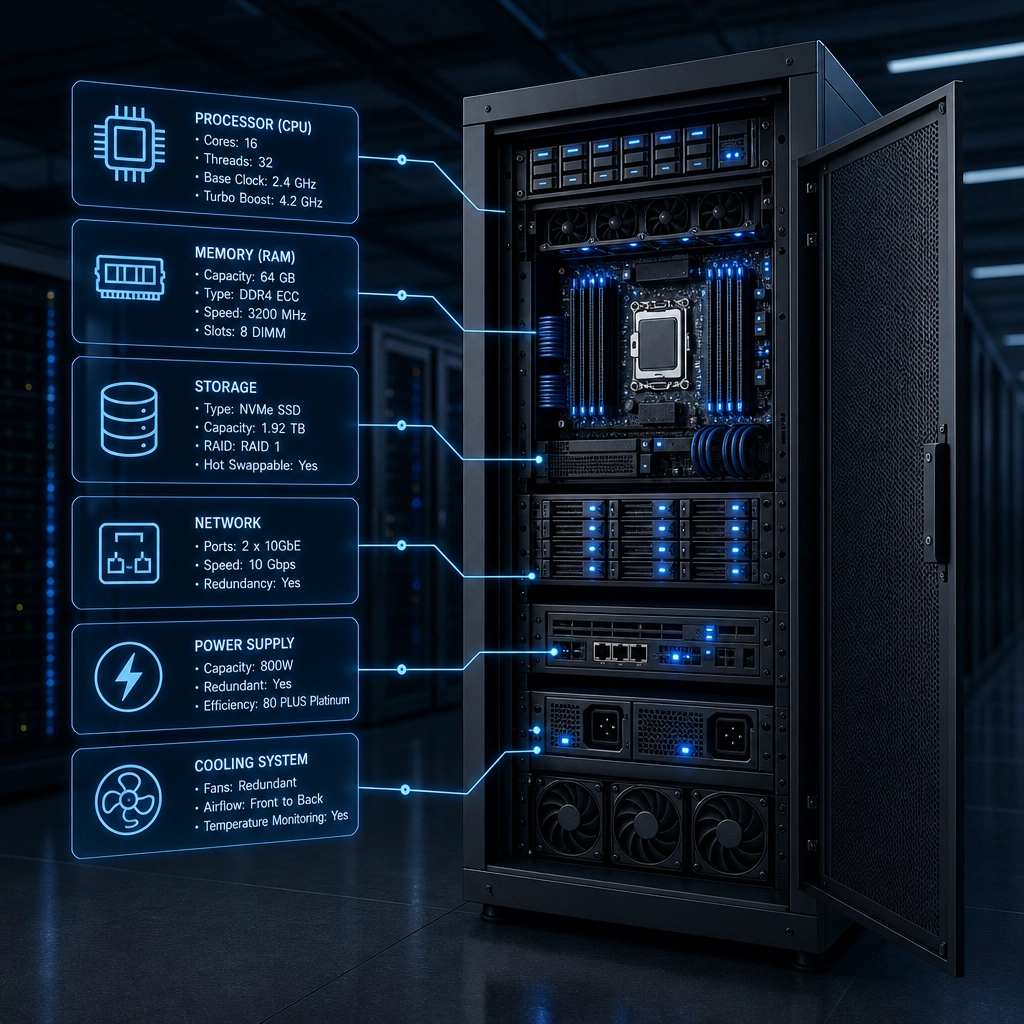
Understanding the Technical Specifications of Dedicated Servers
In the world of web hosting, dedicated servers often come up as the gold standard. If you’re looking to host a large website, online application, or even run a game server, understanding the technical specifications of dedicated servers can make a world of difference. With that said, let’s dive into what makes dedicated servers tick, the key specifications to look for, and how they can meet your needs.
What is a Dedicated Server?
First things first—what exactly is a dedicated server? Simply put, a dedicated server is a physical server that is exclusively allocated to a single user or organization. Unlike shared hosting, where multiple clients share server resources, with a dedicated server, you have complete control over the hardware, software, and overall environment. This is a huge advantage for businesses or projects that require high performance, security, and customization.
Key Specifications to Consider
When it comes to technical specifications, there are a few essential components to take into account. Let’s break them down:
1. CPU (Central Processing Unit)
The CPU is often referred to as the brain of the server. It processes information and executes tasks, so having a powerful CPU is crucial for performance. Dedicated servers typically offer multi-core processors, which means they can handle more tasks simultaneously. Look for servers with server-grade CPUs like Intel Xeon or AMD EPYC, as they are designed for heavy workloads and better reliability.
2. RAM (Random Access Memory)
RAM is vital for a server’s ability to run multiple applications and manage active threads. More RAM means better multitasking capabilities. For most dedicated hosting needs, a minimum of 16 GB is a good starting point, but if you’re hosting resource-intensive applications or large databases, consider going for 32 GB or more. The right amount of RAM can drastically improve load times and overall responsiveness.
3. Storage Type and Capacity
When it comes to storage, you’ll generally find two types: HDD (Hard Disk Drive) and SSD (Solid State Drive). SSDs are faster, more reliable, and significantly improve the speed of data access. While HDDs offer more storage at a lower cost, they can’t compete with the speed of SSDs. Depending on your needs, you’ll want to balance capacity (how much data you can store) with speed (how quickly you can access that data). A combination of both can often give you the best of both worlds.
4. Bandwidth and Data Transfer Limits
Bandwidth refers to the maximum rate at which data can be transferred in or out of your server. For most dedicated servers, high bandwidth is a must, especially if you expect heavy traffic or plan to host media-rich sites. Look for options that provide unmetered bandwidth to avoid unexpected overage charges and performance throttling, ensuring that your users have the best experience.
5. Network Infrastructure
The quality of the network infrastructure can have a significant impact on your server’s performance. This includes the data center’s location, its connectivity options, and its peering relationships with Internet Service Providers (ISPs). A reliable network with low latency and high speeds is essential for a seamless experience for both you and your users.
6. Operating System and Management Options
The choice of operating system (OS) can affect everything from performance and security to compatibility with different applications. Most dedicated servers can run various OS options, including various distributions of Linux and Windows Server. Furthermore, consider whether you want a managed server, where the hosting provider handles maintenance and updates, or an unmanaged one, where you handle everything yourself.
7. Security Features
Finally, pay attention to the security features that come with your dedicated server. This could include firewalls, DDoS protection, and physical security measures at the data center. As cyber threats grow increasingly sophisticated, having robust security measures in place is crucial for protecting your data and maintaining the trust of your users.
Wrapping Up
Dedicated servers provide a powerful solution for businesses or individuals that require robust performance and control over their hosting environment. By understanding the technical specifications—from CPU power to storage options—you can make informed choices that will set your online projects up for success. Whether you’re running a high-traffic website, managing complex applications, or hosting a game server, the right dedicated server setup will have a lasting impact on performance, reliability, and user experience. So take the time to assess your needs against these specifications, and you’ll be on your way to establishing a strong online presence.
Welcome to DediRock, your trusted partner in high-performance hosting solutions. At DediRock, we specialize in providing dedicated servers, VPS hosting, and cloud services tailored to meet the unique needs of businesses and individuals alike. Our mission is to deliver reliable, scalable, and secure hosting solutions that empower our clients to achieve their digital goals. With a commitment to exceptional customer support, cutting-edge technology, and robust infrastructure, DediRock stands out as a leader in the hosting industry. Join us and experience the difference that dedicated service and unwavering reliability can make for your online presence. Launch our website.