
A year ago, an incident at South Korea’s National Information Resource Services (NIRS) in Daejeon highlighted the hidden dangers associated with data center equipment. During routine maintenance, a UPS battery failure led to a significant fire that destroyed 384 lithium-ion batteries and knocked 647 government systems offline. Recovery from this incident was projected to take four weeks, revealing that facilities identified as secure can harbor substantial risks.
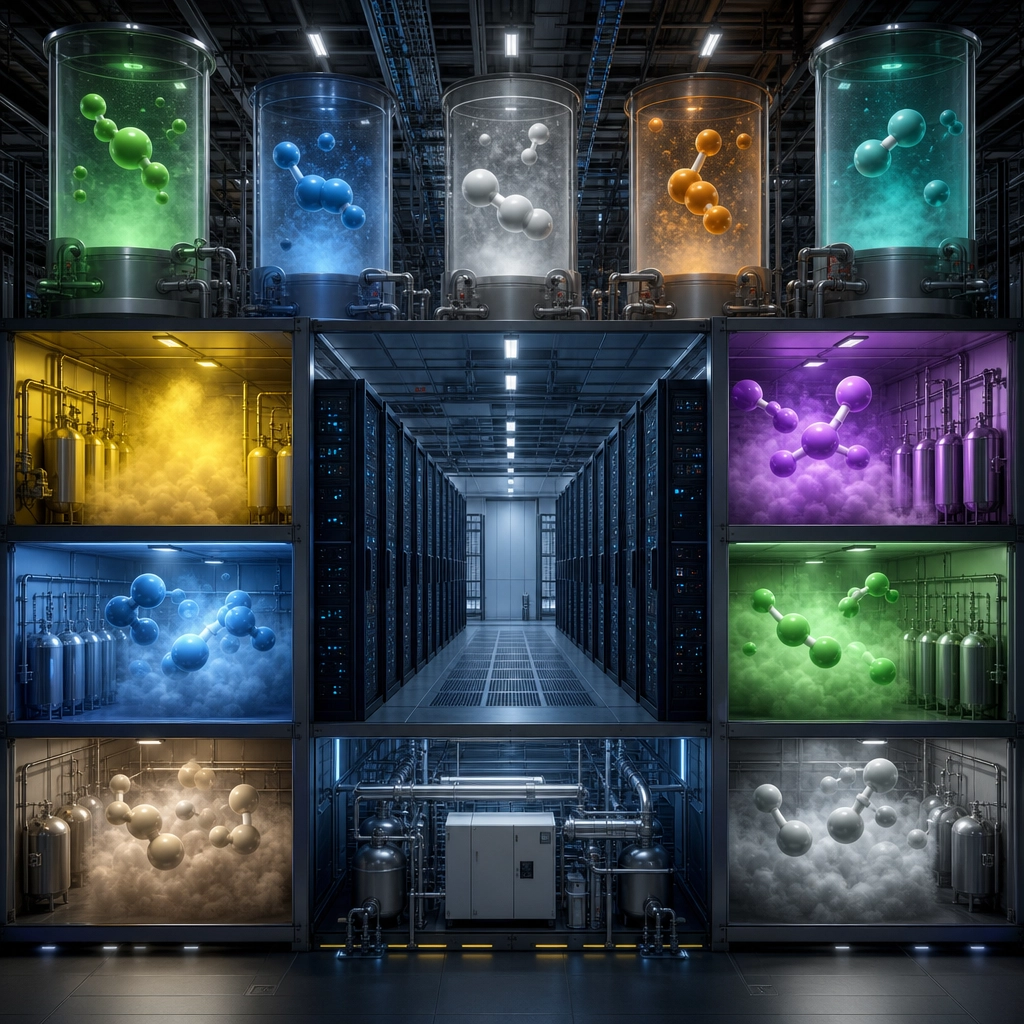
Data centers typically present a facade of safety, featuring filtered air and locked doors. However, the same equipment that enhances their reliability—like UPS systems, chillers, standby generators, and switchgear—introduces various gas and chemical hazards. These elements can create nearly ten hidden gas and chemical threats behind closed doors.
The Risk Factors Behind Data Centers
Most concerns about gas in data centers focus on batteries. Lead-acid batteries, when left on float charge, can produce hydrogen gas. This poses a flammable risk even at concentrations as low as 4% by volume, which is particularly dangerous since hydrogen is both invisible and odorless. While lithium-ion batteries eliminate this specific risk, they introduce the potential for thermal runaway, which can release flammable and toxic gases rapidly.
Additionally, refrigerants, often one of the largest chemical volumes in data centers, can leak into areas where they settle and potentially disrupt cooling operations. Generator exhaust is another concern, as it can re-enter air systems, affecting ventilation and air quality. Furthermore, gases like sulfur hexafluoride (SF6) can have asphyxiating properties and generate hazardous byproducts under specific conditions.
Water treatment systems also carry risks. For example, chlorine—a common chemical in treatment processes—has caused incidents, such as a 2015 accident at an Apple data center in North Carolina that sent five people to the hospital due to a spilled cleaning chemical.
Growing Capacity and Enhanced Risks
As the demand for data center capacity grows from 103 GW to an estimated 200 GW this decade, the volume of gases and chemicals onsite is also increasing, especially with retrofitting occurring at facilities originally designed for different technologies. This expansion entails a greater number of joints and potential leaks, all while new liquid cooling methods become the norm.
The structure of data centers can exacerbate the problem. With their sealed environments designed for pressure management, leaks can accumulate and become unnoticed, creating hazardous conditions that go undetected, potentially endangering personnel who are not aware of their surroundings.
The Uptime Factor
The Uptime Institute has marked power and cooling as primary contributors to significant outages, with cooling responsible for 19% of these incidents. The dual nature of safety and availability is critical; events like the one in Daejeon reflect that these issues are inseparable in practice.
Steps for Prevention and Awareness
Currently, there is no comprehensive inventory showing the specific gases and chemicals present at every facility. Battery data resides close to various vendors, while other information on refrigerant amounts, fire suppression systems, and chemical treatments are scattered across files and contractors, making it essential to consolidate this information regularly.
One immediate precaution involves ensuring that detectors for hazardous gases are appropriately placed. Since hydrogen and other threats do not remain at head height, they necessitate proper mounting strategies. Additionally, implementing proactive maintenance schedules and access protocols for detector inspections can enhance monitoring capabilities and safety assurance.
Finally, recognizing the unique characteristics of different operational areas—like a switch room versus a chiller hall—can inform tailored detection strategies for monitoring specific risks. This awareness is critical in fostering a safe workplace within data centers, allowing for effective responses to potential hazards before they escalate into serious incidents.
Welcome to DediRock, your trusted partner in high-performance hosting solutions. At DediRock, we specialize in providing dedicated servers, VPS hosting, and cloud services tailored to meet the unique needs of businesses and individuals alike. Our mission is to deliver reliable, scalable, and secure hosting solutions that empower our clients to achieve their digital goals. With a commitment to exceptional customer support, cutting-edge technology, and robust infrastructure, DediRock stands out as a leader in the hosting industry. Join us and experience the difference that dedicated service and unwavering reliability can make for your online presence. Launch our website.