
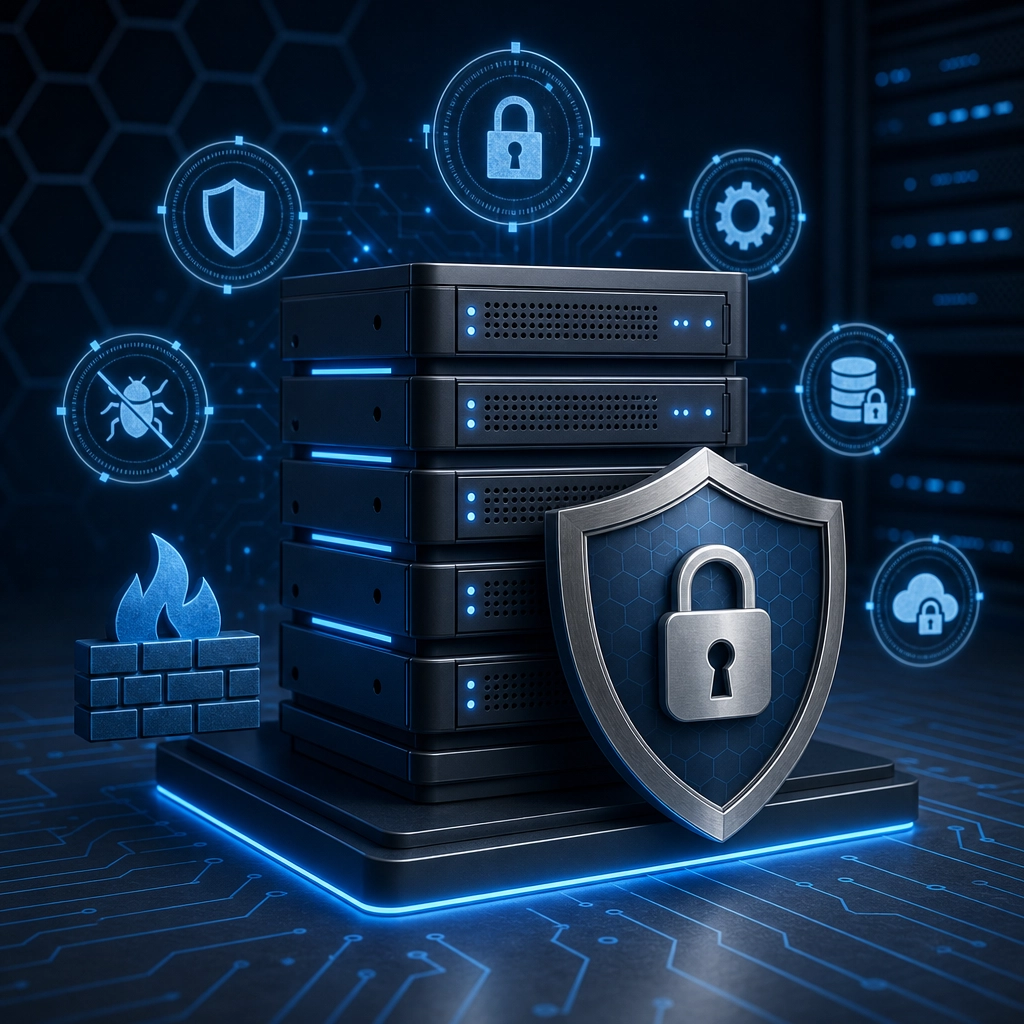
Security Considerations When Using VPS Hosting
In the world of web hosting, Virtual Private Servers (VPS) have carved out a niche for themselves. They beautifully balance the control and flexibility of a dedicated server with the cost-effectiveness of shared hosting. However, with great power comes great responsibility—especially when it comes to security. So, whether you’re launching your own blog, setting up a small business site, or hosting an e-commerce platform, understanding the security considerations of VPS hosting is crucial.
Understanding VPS Security Basics
First, it’s essential to understand that while a VPS gives you more resources and customization compared to shared hosting, it also means you are responsible for a lot more. Unlike shared hosting, where the provider often handles most security measures, a VPS is like renting a room in a bigger house. You’re responsible for your space, but you also have neighbors (other virtual servers) who could impact your security if you’re not careful.
Choose a Reputable VPS Provider
Just like you wouldn’t buy a car from a sketchy dealership, you shouldn’t choose a VPS provider who doesn’t have a solid reputation for security. Look for providers that offer features like DDoS protection, regular backups, and security patch updates. Do some research and read reviews from other users. A reliable provider will often have a transparent approach toward their security protocols, including data encryption and firewall setups.
Implement Firewalls
A good firewall can be your first line of defense. Many VPS providers offer pre-installed firewalls, but it’s wise to do a little digging and configure your firewall settings to suit your specific needs. You can set rules that control incoming and outgoing traffic, essentially allowing only that which you deem necessary. This minimizes the possibility of unwanted traffic that could signal a potential attack.
Regular Software Updates
Keeping your operating system and applications updated is a key practice you can’t ignore. Software vulnerabilities are a major pathway for attackers, so it’s important to apply updates regularly. Most modern systems will allow automatic updates, but don’t solely rely on that. Make it part of your routine to check for updates consistently. Schedule them at a time that doesn’t interfere with your website traffic to keep service disruption at bay.
Strong Passwords and Two-Factor Authentication (2FA)
It’s surprising how many security breaches arise from weak passwords. Ensure that all your accounts, especially those that govern your VPS, use strong, unique passwords. An easy way to make this more secure is by integrating Two-Factor Authentication (2FA). With 2FA, even if someone gets hold of your password, accessing your VPS would be much more difficult without the secondary authentication, which can come in handy.
Regular Backups
You can find many horror stories of individuals and businesses who lost data due to malfunctions or breaches. Regular backups can be a lifesaver. Configure your VPS to automate backups, so you have a safety net if anything goes wrong. Test your backup process periodically to make sure the data can be restored effectively in case of an emergency.
Monitor Access Logs
Keeping an eye on your server’s access logs can be your best ally in identifying suspicious activities. Many VPS services support logging features that can notify you of any unexpected login attempts or changes made to your files. If something seems off, you can promptly respond to potential security threats, minimizing damage before it becomes a full-blown issue.
Use Secure Protocols
When transferring files or accessing your server, always use secure protocols, like SFTP (Secure File Transfer Protocol) or HTTPS (Hypertext Transfer Protocol Secure). These protocols encrypt data being transferred, making it substantially harder for malicious actors to intercept sensitive information. If your website handles personal information, especially payment details, using secure protocols is non-negotiable.
Understand Your Responsibility
Perhaps the most important consideration is understanding that with VPS hosting comes significant responsibility. You are in control, which means you also bear the weight of protecting your data. Familiarize yourself with the security measures available and take the time to consistently implement them.
Incorporating these security measures into your VPS hosting strategy will help safeguard your data and keep your digital life running smoothly. While no system is infallible, being proactive and vigilant can make all the difference in creating a secure environment for your projects. As with any online endeavor, the steps you take today can have lasting effects on the safety and success of your digital presence tomorrow. So gear up, stay alert, and watch your virtual fortress thrive!
Welcome to DediRock, your trusted partner in high-performance hosting solutions. At DediRock, we specialize in providing dedicated servers, VPS hosting, and cloud services tailored to meet the unique needs of businesses and individuals alike. Our mission is to deliver reliable, scalable, and secure hosting solutions that empower our clients to achieve their digital goals. With a commitment to exceptional customer support, cutting-edge technology, and robust infrastructure, DediRock stands out as a leader in the hosting industry. Join us and experience the difference that dedicated service and unwavering reliability can make for your online presence. Launch our website.