
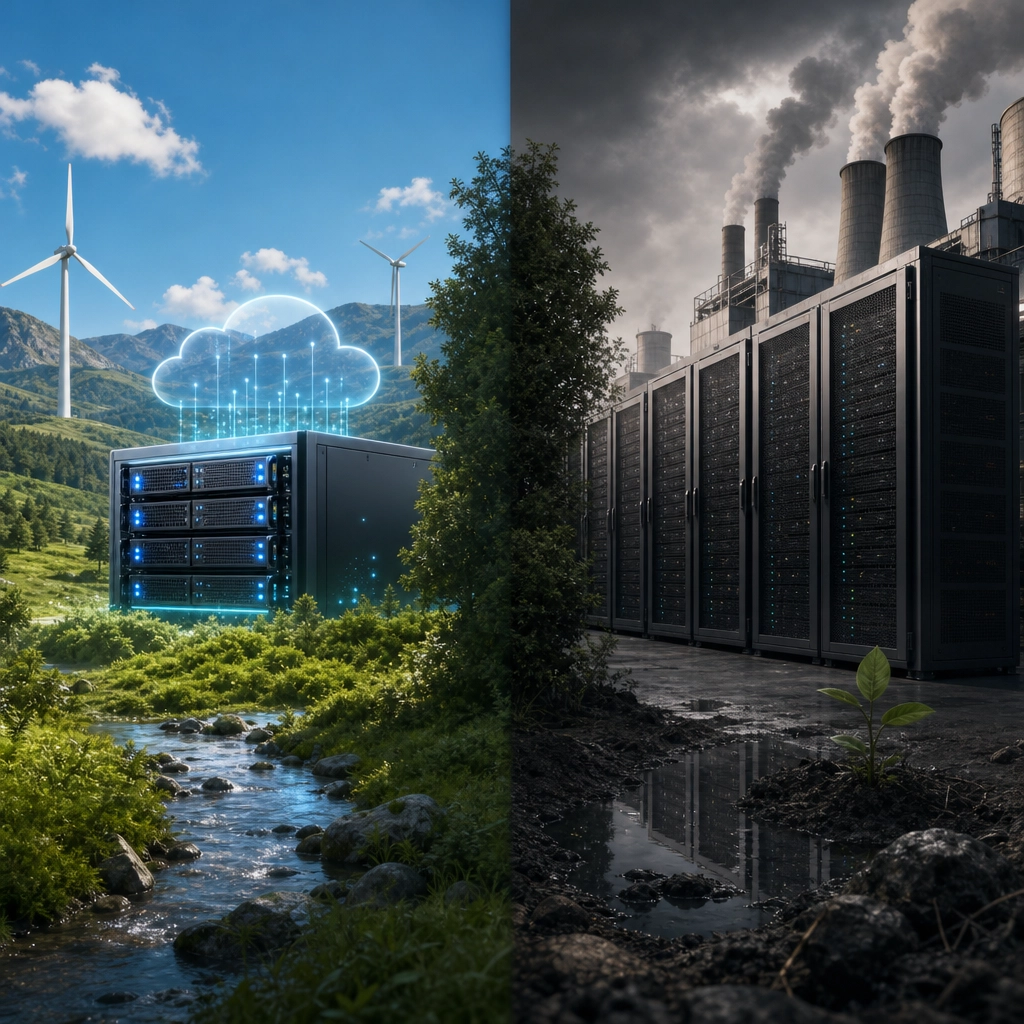
The Environmental Impact of VPS and Dedicated Server Hosting
In today’s tech-savvy world, where websites seemingly spring to life with just a few clicks, the choices we make behind the scenes can have significant environmental implications. As businesses and individuals flock to the web, options like Virtual Private Servers (VPS) and dedicated server hosting come into play. But have you ever paused and considered the environmental footprint of these hosting solutions? Let’s dive into how VPS and dedicated servers impact our planet and what options we have to make greener choices.
Understanding the Basics
Before we jump into the nitty-gritty, let’s lay down some foundational knowledge. VPS (Virtual Private Server) hosting is like having your own mini-server that shares hardware with other virtual servers. Think of it as renting a room in a larger apartment where you have your own space but share the kitchen and bathroom with others. On the flip side, dedicated server hosting is akin to owning a whole house — it’s all yours, and everything inside is entirely under your control.
While both options have their advantages, they come with different implications for energy consumption and environmental impact.
Energy Consumption and Data Centers
Data centers are the heart of the internet, housing countless servers that run websites, applications, and services. However, these facilities are notorious energy guzzlers. They require electricity not only to power the servers but also to keep them cool — and boy, do they need cooling!
According to the International Energy Agency, data centers account for about 1% of global electricity demand. With the rise of cloud computing and the growing number of online services, this demand is expected to increase. VPS hosting, while more efficient than a dedicated server due to shared resources, is still not without its environmental impact. The more VPS hosts available, the more servers are needed, which leads to higher energy consumption.
Dedicated servers, on the other hand, require full hardware to operate, which can lead to underutilization. If your dedicated server is equipped to handle a traffic load that you don’t need, that excess capacity is an energy sinkhole.
Carbon Footprint and Renewable Energy
One of the most significant environmental impacts of VPS and dedicated server hosting is their carbon footprint. The type of energy powering a data center greatly influences its carbon emissions. Many data centers still rely on fossil fuels, contributing to greenhouse gas emissions that exacerbate climate change.
Fortunately, the tech industry is becoming increasingly aware of these challenges. A growing number of providers are investing in green technologies and opting to power their data centers with renewable energy sources like wind and solar. Some companies even purchase carbon offsets to counterbalance their environmental impact. If you’re concerned about the carbon footprint of your hosting solution, it’s worth looking into whether your provider has made a commitment to sustainability.
Scalability and Resource Allocation
Scalability is another factor that can have environmental implications. VPS solutions generally allow for dynamic resource allocation. By adjusting the resources allocated to each virtual server based on demand, data centers can optimize their energy use far more effectively than dedicated servers, which often operate at a consistent load. This flexibility means that during off-peak times, resources can be scaled back, reducing energy consumption.
Additionally, as businesses grow, VPS saves them from the need to procure dedicated servers for every new project. This not only streamlines their operations but also curbs the overall demand for physical hardware, which has its environmental costs tied to production and disposal.
Making Greener Choices
Want to help minimize the environmental impact of your hosting choices? Here are a few tips:
-
Choose Green Hosting Providers: Look for hosting companies committed to sustainability. Many proudly advertise their use of renewable energy and energy-efficient practices.
-
Optimize Resource Use: Regularly check if you’re utilizing your hosting resources effectively. If you’re regularly underusing a dedicated server, consider scaling down to a VPS.
-
Support Eco-Friendly Technologies: Whenever possible, align with providers that invest in technologies aimed at energy efficiency. Virtualization, for example, can significantly reduce the number of physical servers needed—lowering both energy consumption and emissions.
-
Stay Informed: Keep an eye out for advancements and trends in sustainable tech. The digital landscape is ever-evolving, and new solutions are continually emerging that prioritize environmental health.
Deciding between VPS and dedicated server hosting isn’t merely a technical choice; it’s a choice that can ripple outwards, affecting our environment in ways we might not always see. By opting for greener hosting practices and supporting eco-conscious providers, we can all contribute to a more sustainable future while still enjoying the benefits of robust online hosting. After all, the internet should be a tool for growth, not a burden on our planet.
Welcome to DediRock, your trusted partner in high-performance hosting solutions. At DediRock, we specialize in providing dedicated servers, VPS hosting, and cloud services tailored to meet the unique needs of businesses and individuals alike. Our mission is to deliver reliable, scalable, and secure hosting solutions that empower our clients to achieve their digital goals. With a commitment to exceptional customer support, cutting-edge technology, and robust infrastructure, DediRock stands out as a leader in the hosting industry. Join us and experience the difference that dedicated service and unwavering reliability can make for your online presence. Launch our website.