
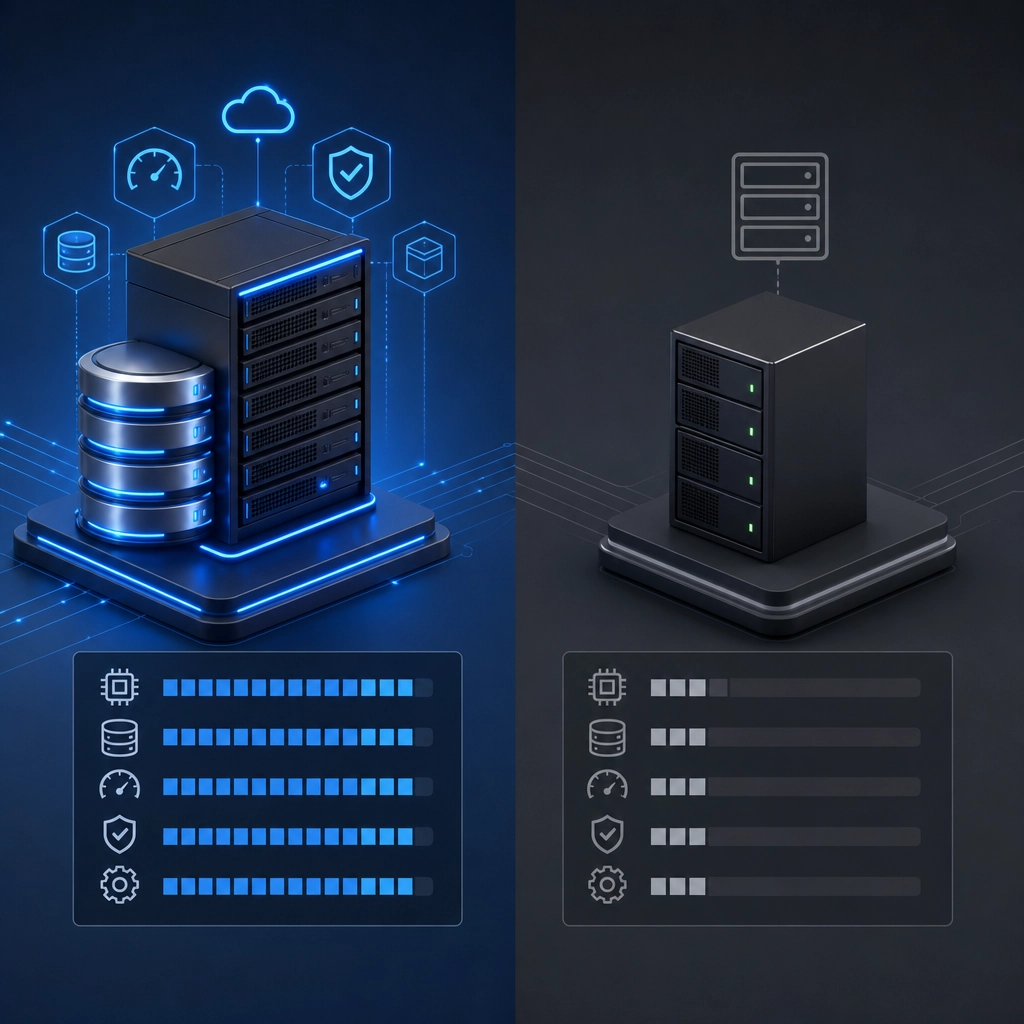
Storage VPS vs. Traditional Hosting: A Detailed Comparison
When it comes to hosting your website, the options can feel like a maze with all the different paths to take. Among the choices, you’ll often find yourself weighing the pros and cons of Storage VPS (Virtual Private Servers) against traditional hosting solutions like shared or dedicated hosting. Both have their merits, but understanding their differences can make all the difference in choosing the right fit for your needs.
What is Storage VPS?
A Storage VPS is a type of virtual private server that prioritizes storage capacity and allows you to have complete control over your server environment. Each VPS is partitioned into multiple virtual servers that are hosted on a physical server, giving you dedicated resources such as CPU, RAM, and disk space. Imagine having your own little slice of the server pie—all packaged up neatly and tailored to your storage needs.
VPS is unique because it blends the benefits of shared hosting—which is cost-effective and user-friendly—with the power and flexibility of dedicated hosting, which can often carry a hefty price tag. This makes VPS an appealing option for businesses that require more control and resources but aren’t ready to invest in a fully dedicated server.
What is Traditional Hosting?
Traditional hosting, on the other hand, encompasses a few different models, including shared hosting, dedicated hosting, and even managed hosting options.
-
Shared Hosting: This is the most economical choice and works well for small websites or blogs with relatively low traffic. Multiple websites share the same server resources, which makes it cost-effective but can lead to performance issues if one site experiences a spike in traffic.
-
Dedicated Hosting: This provides an entire server for your website, giving you total control over server resources. It’s more expensive but is ideal for large businesses or websites that receive significant traffic.
-
Managed Hosting: This option offloads many technical aspects of website management to a hosting provider, which can give you peace of mind if you’re not comfortable handling technical details but may not always offer the same level of control.
Key Differences
Resource Control and Scalability
When it comes to resource control, Storage VPS wins hands down. With a VPS, you can adjust CPU, RAM, and storage according to your evolving needs without the hassle of migrating to another server. This makes it an excellent choice for growing businesses or websites that anticipate fluctuating traffic patterns.
On the contrary, traditional shared hosting offers limited scalability; you might face restrictions based on your shared environment. Upgrading usually involves moving to a more expensive plan that might not cater specifically to your needs.
Performance
Another major consideration is performance. VPS hosting generally outshines shared hosting when it comes to speed and reliability. In a shared environment, multiple websites pulling from the same resources can lead to slower load times and downtimes. With a VPS, your resources are dedicated, which means your website will run more smoothly, especially during high-traffic times.
Dedicated hosting, while potentially offering the highest performance, comes at a significant cost. It’s more suitable for large businesses with established websites that can afford the investment in extensive resources.
Security
Security is crucial in the hosting discussion, and a Storage VPS provides more robust security compared to shared hosting. With shared hosting, your website resides on a server with numerous other sites, making it vulnerable to potential hacks affecting multiple sites. In a VPS setup, you enjoy a private environment that can offer better defenses against attacks.
That said, traditional dedicated hosting offers the utmost in security, as you’re not sharing server resources with other entities. If you’re dealing with very sensitive data, this might be the best route.
Cost
Cost is always a pivotal factor. Traditional shared hosting is the most affordable option, making it appealing for newbies and very small websites. VPS hosts sit solidly in the middle of the price spectrum, offering more resources without breaking the bank. Dedicated hosting can get pretty pricey, often costing hundreds to thousands of dollars monthly.
When assessing your budget, remember that while cheaper options may seem enticing, you could end up paying for frustrations with downtime, slow speeds, or limited control.
Making the Choice
Ultimately, the choice between Storage VPS and traditional hosting boils down to your specific needs and goals. If you’re just starting and running a small personal blog, traditional shared hosting could fit the bill. But if you are managing an e-commerce site or a business that expects nut-busting growth, a Storage VPS offers the flexibility, performance, and security that can help you scale gracefully.
As you ponder your hosting options, think about your growth trajectory, the resources you’ll require, and how hands-on you want to be in managing your server. Each solution presents distinct advantages, and choosing wisely will set the stage for your online success. So, take your time, do some research, and find the perfect match for your digital presence.
Welcome to DediRock, your trusted partner in high-performance hosting solutions. At DediRock, we specialize in providing dedicated servers, VPS hosting, and cloud services tailored to meet the unique needs of businesses and individuals alike. Our mission is to deliver reliable, scalable, and secure hosting solutions that empower our clients to achieve their digital goals. With a commitment to exceptional customer support, cutting-edge technology, and robust infrastructure, DediRock stands out as a leader in the hosting industry. Join us and experience the difference that dedicated service and unwavering reliability can make for your online presence. Launch our website.