
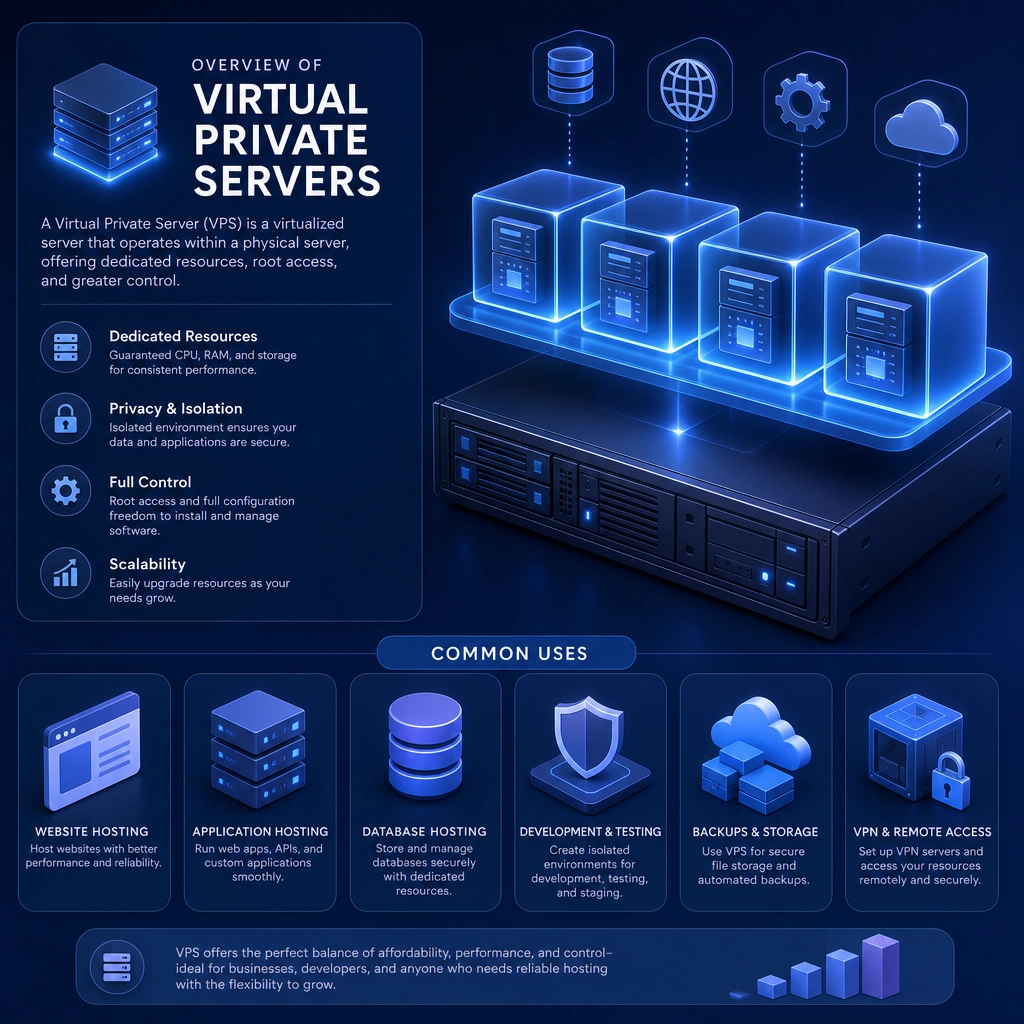
An Overview of Virtual Private Servers and Their Uses
If you’ve spent any time exploring the world of web hosting, you’ve likely encountered the term "Virtual Private Server," or VPS for short. It might sound technical and intimidating at first, but understanding what a VPS is and its various uses can open up a whole new realm of possibilities for your online ventures. So, let’s take a friendly stroll through the world of virtual private servers and discover their benefits and ideal applications.
What Exactly is a VPS?
At its core, a Virtual Private Server is like a mini dedicated server created within a larger physical server. When you opt for shared hosting, your website resides alongside many others, all sharing the same resources. This can lead to performance issues if one of those sites suddenly gets a lot of traffic. On the flip side, a VPS works differently. It partitions that physical server into multiple virtual servers, each with its own resources—processing power, memory, and storage—isolated from others.
This setup means that your website has dedicated resources that aren’t affected by traffic surges from neighboring sites. Think of it like renting an apartment in a large building; you have your own space and resources, but you’re still sharing the overall structure.
Why Choose a VPS?
There are several reasons why individuals and businesses choose to use a VPS instead of other hosting options:
-
Performance: Because a VPS allocates dedicated resources to each virtual server, performance is typically better than shared hosting. This translates to faster load times and a smoother user experience.
-
Scalability: Many VPS providers allow you to easily adjust your plan based on your needs. If your website grows and demands more resources, you can upgrade without needing to migrate to a new server.
-
Control and Flexibility: With a VPS, you usually have root access to your server, which means you can install software and adjust settings according to your needs. This level of control is particularly appealing to developers and businesses that require a customized environment.
-
Cost-Effectiveness: While VPS hosting is more expensive than shared hosting, it’s still a cost-effective solution compared to a dedicated server. You can achieve many of the benefits of a dedicated server without the hefty price.
-
Enhanced Security: Since your VPS is isolated from others, it inherently offers a higher level of security. You have full control over security measures, from firewalls to antivirus setups.
Who Needs a VPS?
You might be wondering if a VPS is right for you. Here are some common scenarios where a VPS makes sense:
-
Growing Businesses: If your website is attracting more traffic than when you started, a VPS can help accommodate that increase. It’s a great middle ground between shared hosting and dedicated servers.
-
E-commerce Sites: For online stores dealing with sensitive customer information and transactions, security and reliability are paramount. A VPS can provide the necessary performance and protection.
-
Developers and Agencies: If you’re developing applications or managing multiple sites, a VPS gives you the ability to create specific environments for different projects, thus streamlining workflows.
-
Freelancers and Creatives: If you’re a creative professional hosting your portfolio or blog, as your audience grows, you might find that a VPS is the perfect way to maintain site speed and performance without sacrificing budget.
-
Gaming Servers: Gamers often use VPS solutions to host multiplayer game servers. The flexibility and control that a VPS provides are ideal for tweaking game settings or mods.
Getting Started with a VPS
Diving into the world of VPS might seem daunting at first, but it’s quite manageable with the right provider. Most companies offer user-friendly dashboards that simplify the management of your server. You can usually choose between managed or unmanaged VPS hosting. Managed VPS means the provider handles all the technical aspects (like updates and maintenance), freeing you to focus on your website or application. Unmanaged means you’re responsible for it all, which is perfect for those who want the full experience and control.
When choosing a VPS, consider factors such as the type of operating system (Linux or Windows), the level of support, and the scalability options available from the provider. Take your time to research, read reviews, and even reach out to customer support to gauge their responsiveness.
In a world where online presence is critical, having a reliable and powerful hosting solution can make all the difference. Virtual Private Servers offer a fantastic blend of power, flexibility, and cost-efficiency, making them a smart choice for a wide range of users—from small businesses looking to grow to developers wanting more control. As you embark on your online journey, consider whether a VPS could be the next step in ensuring your digital success.
Welcome to DediRock, your trusted partner in high-performance hosting solutions. At DediRock, we specialize in providing dedicated servers, VPS hosting, and cloud services tailored to meet the unique needs of businesses and individuals alike. Our mission is to deliver reliable, scalable, and secure hosting solutions that empower our clients to achieve their digital goals. With a commitment to exceptional customer support, cutting-edge technology, and robust infrastructure, DediRock stands out as a leader in the hosting industry. Join us and experience the difference that dedicated service and unwavering reliability can make for your online presence. Launch our website.