
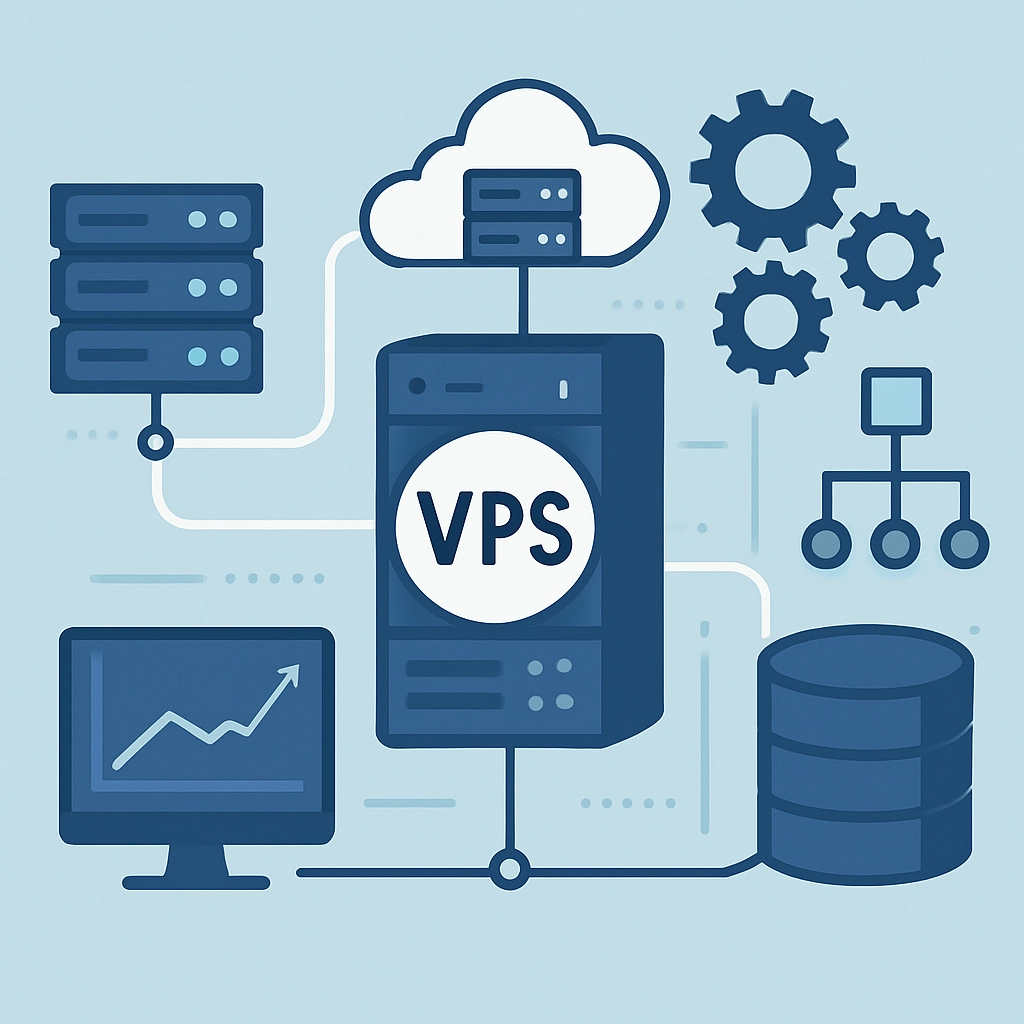
Integrating VPS Hosting with Your Business Infrastructure
In today’s fast-paced digital landscape, having a robust online presence is more critical than ever. Whether you’re running a small startup or a large corporation, ensuring the efficiency and reliability of your business infrastructure is key to success. Enter Virtual Private Server (VPS) hosting—a flexible, cost-effective solution that’s becoming an integral part of modern business operations. But how do you seamlessly integrate VPS hosting into your existing business infrastructure? Let’s explore!
What is VPS Hosting?
Before we dig into the integration process, let’s clarify what VPS hosting really is. In simple terms, a VPS is a virtualized server that mimics a dedicated server within a shared hosting environment. Essentially, it provides you with your own slice of server resources while still being part of a larger server. This not only gives you greater control and customization capabilities but also ensures enhanced performance and security compared to shared hosting.
Assessing Your Needs
The first step in integrating VPS hosting into your business is assessing your current infrastructure and understanding what you need from a VPS. Considerations might include:
- Website Traffic: If you’re experiencing increased web traffic, a VPS can help manage that load more effectively.
- Application Performance: If your business relies on a custom application, VPS hosting can provide the necessary resources for smooth operation.
- Budget Constraints: VPS hosting typically provides a good balance between cost and performance, but it’s crucial to align your budget with your hosting needs.
Understanding these factors will help you choose the right VPS plan tailored to your business requirements.
Making the Move
Once you’ve assessed your needs, the next step is to transition your current systems to incorporate VPS hosting. Here’s how to navigate that process:
1. Choose the Right VPS Provider
Not all VPS hosting providers are created equal. Look for a provider that offers reliability, scalability, and customer support. Take time to read reviews and understand the uptime guarantees they provide. Providers that offer managed VPS services can be particularly beneficial, as they will handle server maintenance and technical issues, allowing you to focus on your core business activities.
2. Data Migration
Transferring your data to the new VPS environment might seem daunting, but it doesn’t have to be. Most reputable VPS providers will give you a clear guide on how to migrate your data. You may opt for a managed migration service, where the host provider takes care of the transfer for you. Make sure to back up all essential data before beginning this process.
3. Configuring the Environment
Once your data is migrated, it’s time to configure your server environment. Depending on your business operations, you might need to install specific software or applications. Keep security at the forefront of your mind—setting up firewalls, configuring SSH access, and maintaining regular software updates are critical to keeping your VPS secure.
4. Testing Performance
After the setup, it’s crucial to rigorously test the performance of your newly integrated VPS. Load times, server response, and overall user experience should be monitored closely. Utilize analytics tools to gain insights into how your new hosting solution is impacting your operations.
Scaling Your Infrastructure
One of the standout features of VPS hosting is scalability. As your business grows, you can easily upgrade your resources to meet demand without the headaches of physical hardware upgrades. This means you can focus on growth rather than getting bogged down by infrastructure limitations.
Additionally, VPS hosting allows you to test out new projects or applications without the risk of affecting your main infrastructure. This level of flexibility can lead to increased innovation and responsiveness to market trends.
Embracing Security
Lastly, let’s talk about security, a vital component of any business operation. With a VPS, you gain enhanced security features compared to shared hosting environments. However, security is a shared responsibility. Ensure that your team is trained in security best practices, implement regular backups, and enable SSL certificates for your applications.
Integrating VPS hosting into your business infrastructure can elevate your operations to new heights. By allowing for greater control, improved performance, and enhanced security, a VPS can help you not only keep pace with the competition but also innovate and evolve in a constantly changing digital landscape. Embracing these powerful tools means you’re not just keeping your business running—you’re setting it up for future success.
Welcome to DediRock, your trusted partner in high-performance hosting solutions. At DediRock, we specialize in providing dedicated servers, VPS hosting, and cloud services tailored to meet the unique needs of businesses and individuals alike. Our mission is to deliver reliable, scalable, and secure hosting solutions that empower our clients to achieve their digital goals. With a commitment to exceptional customer support, cutting-edge technology, and robust infrastructure, DediRock stands out as a leader in the hosting industry. Join us and experience the difference that dedicated service and unwavering reliability can make for your online presence. Launch our website.