
Understanding Bandwidth in the Context of VPS Hosting
When venturing into the world of web hosting, especially with Virtual Private Servers (VPS), one term you’ll encounter frequently is "bandwidth." But what does that mean, and why should you care? Let’s unravel the mystery of bandwidth and why it’s crucial for your VPS hosting experience.
What is Bandwidth?
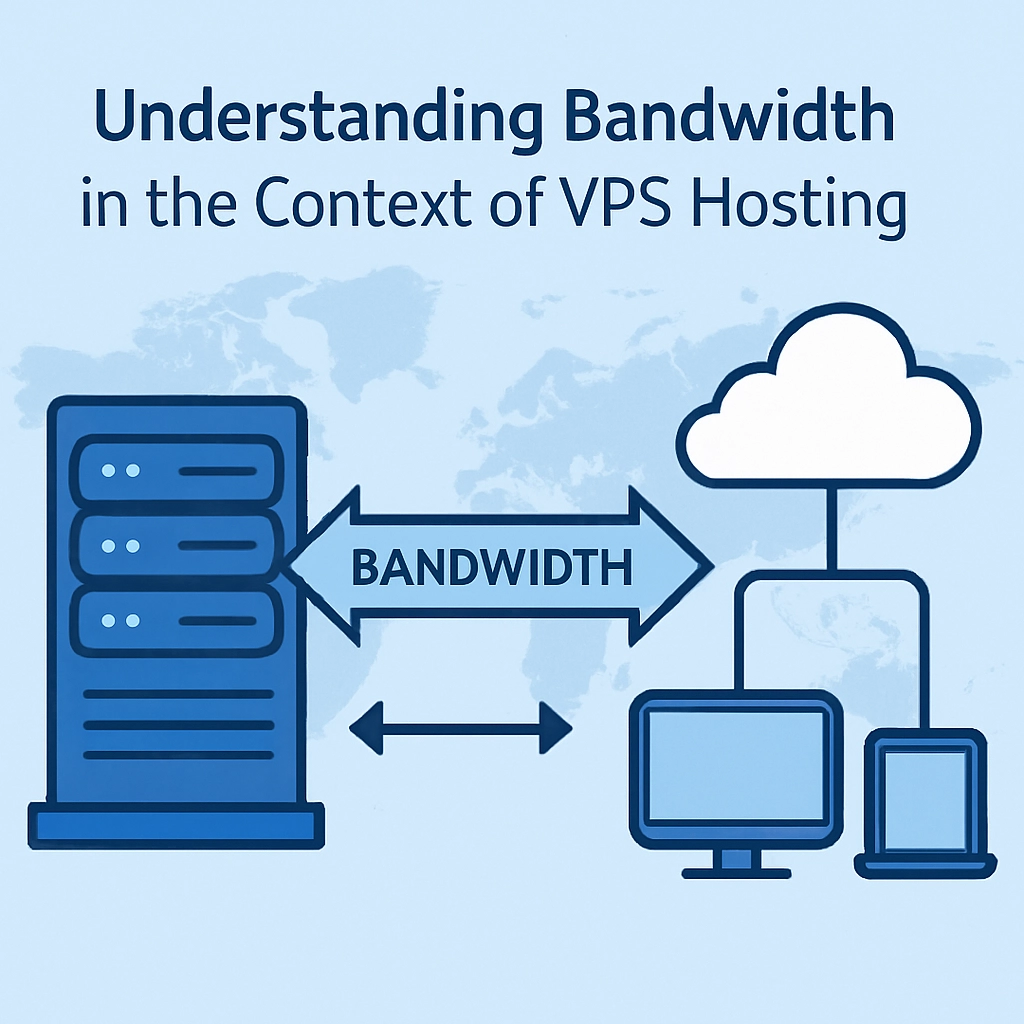
At its core, bandwidth refers to the amount of data that can be transmitted over your internet connection in a given amount of time. Think of it like a water pipe; the wider the pipe, the more water (or data, in this case) can flow through it simultaneously.
In the realm of VPS hosting, bandwidth is often described in terms of megabits per second (Mbps) or gigabits per second (Gbps). A higher bandwidth means that you can transfer a large amount of data more quickly. This is particularly important if your website serves a lot of visitors or requires significant data transfer, like streaming video or hosting large files.
Why Bandwidth is Important for VPS Hosting
When you choose a VPS hosting plan, bandwidth is one of the key elements that can influence your website’s performance. Here’s why:
-
Traffic Handling: If your website receives a surge of traffic, a robust bandwidth allotment can help ensure your site remains accessible and performs well. Limited bandwidth can lead to slow loading times or even downtime, which can frustrate users and impact your search engine rankings.
-
Data Transfer Limits: VPS hosts typically impose data transfer limits per month. If you exceed these limits, you may either incur additional fees or face throttled speeds, meaning your site will load slower than usual. This can significantly affect the user experience, especially if they’re trying to download files or view a video.
-
Resource Allocation: With VPS hosting, you have your own dedicated resources, which means that understanding your bandwidth becomes critical for planning. If you’re running an online store or a high-traffic blog, estimating your bandwidth needs can help you choose the right hosting plan.
-
Scalability: As your website grows and attracts more visitors, your bandwidth needs will likely increase. VPS hosting is known for its scalability, meaning you can easily upgrade your bandwidth plan to accommodate growth without the need to migrate to an entirely new server.
How to Determine Your Bandwidth Needs
So, how do you know how much bandwidth is necessary for your website? Here are some factors to consider:
-
Website Type: Different types of websites have different bandwidth requirements. A simple blog with text and images demands less bandwidth than an e-commerce site with high-resolution product photos or a streaming service delivering videos.
-
Expected Traffic: Estimate your site’s traffic based on your marketing strategies. Consider factors like social media promotions, email marketing, and SEO efforts. Use analytics tools to assess current traffic and project future growth.
-
File Sizes: Take stock of the average size of the files hosted on your site. If you’re hosting videos, larger files will demand more bandwidth.
-
User Behavior: Understand how long visitors stay on your site and how many pages they load. The more pages users visit and the longer they stay, the more bandwidth you’ll use.
Tips for Managing Your VPS Bandwidth
Managing your bandwidth effectively can save you money and enhance your website’s performance. Here are a few tips:
-
Utilize CDN: Consider using a Content Delivery Network (CDN). CDNs distribute your website’s content across various servers globally, optimizing the loading speed and reducing bandwidth consumption on your VPS.
-
Optimize Images and Files: Large images and files can inflate bandwidth usage. Use tools to compress images without sacrificing quality and eliminate any unnecessary files.
-
Monitor Traffic: Regularly review your website traffic to identify trends and adjust your bandwidth plan as needed. Many hosting services provide analytics tools for this purpose.
-
Choose the Right Plan: When selecting your VPS hosting plan, consider not just your current needs but also your anticipated growth. It’s usually more cost-effective to choose a plan that allows for easy upgrades.
Final Thoughts
Bandwidth is more than just a buzzword in the realm of VPS hosting; it’s a fundamental aspect that can dramatically affect your website’s performance. By understanding your bandwidth needs and how to effectively manage them, you’ll be better prepared to provide a seamless experience for your visitors, support your website’s growth, and ultimately enhance your online presence. As you consider your hosting options, keep bandwidth in mind as a critical factor in your decision-making process—because in the digital world, a little extra bandwidth can go a long way!
Welcome to DediRock, your trusted partner in high-performance hosting solutions. At DediRock, we specialize in providing dedicated servers, VPS hosting, and cloud services tailored to meet the unique needs of businesses and individuals alike. Our mission is to deliver reliable, scalable, and secure hosting solutions that empower our clients to achieve their digital goals. With a commitment to exceptional customer support, cutting-edge technology, and robust infrastructure, DediRock stands out as a leader in the hosting industry. Join us and experience the difference that dedicated service and unwavering reliability can make for your online presence. Launch our website.