
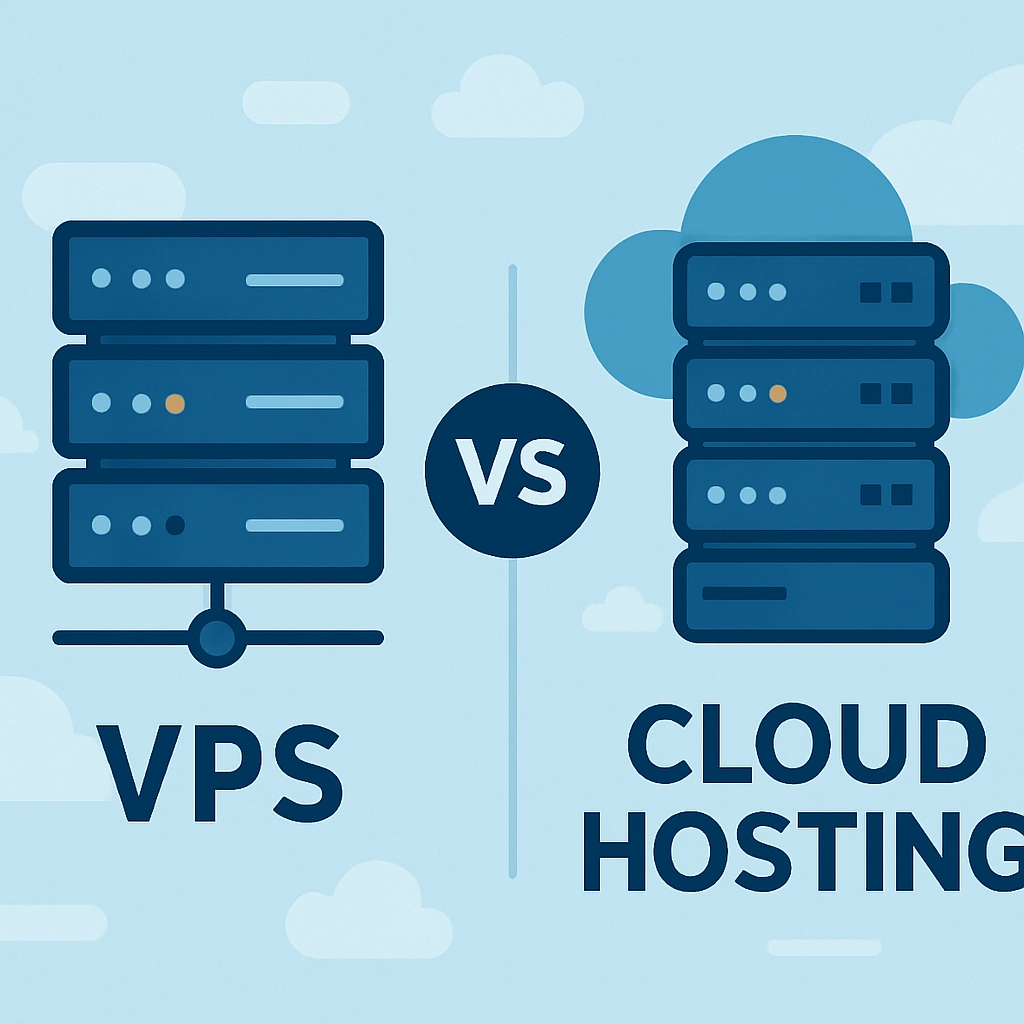
Comparative Guide: VPS vs. Cloud Hosting
When it comes to choosing the right hosting solution for your website, the options can feel overwhelming. Two popular choices that often come up in discussions are Virtual Private Servers (VPS) and Cloud Hosting. Both have their unique advantages and may suit different needs. Let’s break down the key differences, advantages, and potential drawbacks of each to help you make an informed decision.
What is VPS Hosting?
Virtual Private Server (VPS) hosting is a type of web hosting that mimics a dedicated server within a shared hosting environment. It involves partitioning a physical server into multiple virtual servers, where each operates independently with its own operating system, resources, and capabilities. VPS hosting combines aspects of both shared and dedicated hosting, offering a middle ground between the two.
Advantages of VPS Hosting
-
Dedicated Resources: One of the standout features of VPS hosting is that you have dedicated resources. Unlike shared hosting, where resources are communal, with VPS, you get guaranteed CPU, RAM, and disk space. This means your site’s performance is less likely to be affected by other sites on the same server.
-
Cost-Effective: Although VPS hosting is generally more expensive than shared hosting, it’s a more affordable option compared to dedicated servers, making it suitable for growing businesses that need more power without a hefty price tag.
-
Customization: VPS allows for a higher level of customization compared to shared hosting. You can install software, configure settings, and even choose your operating system, which can be a major benefit if you have specific needs.
-
Scalability: While not as flexible as cloud hosting, VPS does offer a degree of scalability. Many VPS providers allow you to upgrade your resources as your site grows, which is a significant advantage for businesses anticipating growth.
Drawbacks of VPS Hosting
-
Management: Depending on the service level you choose, VPS hosting might require you to manage the server environment yourself. If you don’t have experience with server management, you may need to invest time in learning or consider managed VPS options, which come at a higher cost.
-
Limited Resources: While you have dedicated resources, the capacity of a VPS is still ultimately limited by the physical server it’s hosted on. Therefore, if your demand spikes unexpectedly, you might experience slowdowns or outages.
What is Cloud Hosting?
Cloud hosting, on the other hand, leverages a network of servers to host your website. Instead of relying on a single physical server, cloud hosting taps into the resources of multiple servers, allowing for a more scalable and reliable hosting solution.
Advantages of Cloud Hosting
-
Scalability: One of cloud hosting’s biggest selling points is its scalability. You can quickly increase or decrease your resources based on demand. So if you suddenly experience a traffic surge, cloud hosting can manage that with ease.
-
Reliability: With cloud hosting, if one server fails, your data and website can automatically switch to a different server without interruption, leading to better uptime and reliability.
-
Pay-as-You-Go Pricing: Many cloud hosting providers offer a pay-as-you-go model, which means you only pay for the resources you use. This can be fantastic for businesses that want to scale and control their costs effectively.
-
Performance: Cloud hosting often provides enhanced performance due to its ability to distribute resources across multiple servers, reducing the load on any one server.
Drawbacks of Cloud Hosting
-
Complexity: The architecture of cloud hosting can be more complex compared to VPS. With such a multitude of options and configurations, it can sometimes be overwhelming for users without technical knowledge.
-
Potential Costs: While the flexibility of pay-as-you-go can be beneficial, it can also lead to unexpected costs if usage spikes. It’s important to monitor usage closely to avoid surprises on your bill.
Which One Should You Choose?
Deciding between VPS and cloud hosting ultimately boils down to your specific needs. If you’re running a small to medium business with predictable resource needs and prefer a straightforward, dedicated environment, VPS might be the way to go. However, if you anticipate high traffic, require superior reliability, and value scalability, cloud hosting can be your best bet.
Remember, both options have their unique strengths and weaknesses, and your choice should align with your business’s current size, projected growth, and technical expertise. Don’t hesitate to take advantage of free trials or consult with hosting experts to find the most suitable option for your website needs.
At the end of the day, the perfect hosting solution should empower you to focus on what matters most—growing your business and connecting with your audience.
Welcome to DediRock, your trusted partner in high-performance hosting solutions. At DediRock, we specialize in providing dedicated servers, VPS hosting, and cloud services tailored to meet the unique needs of businesses and individuals alike. Our mission is to deliver reliable, scalable, and secure hosting solutions that empower our clients to achieve their digital goals. With a commitment to exceptional customer support, cutting-edge technology, and robust infrastructure, DediRock stands out as a leader in the hosting industry. Join us and experience the difference that dedicated service and unwavering reliability can make for your online presence. Launch our website.