
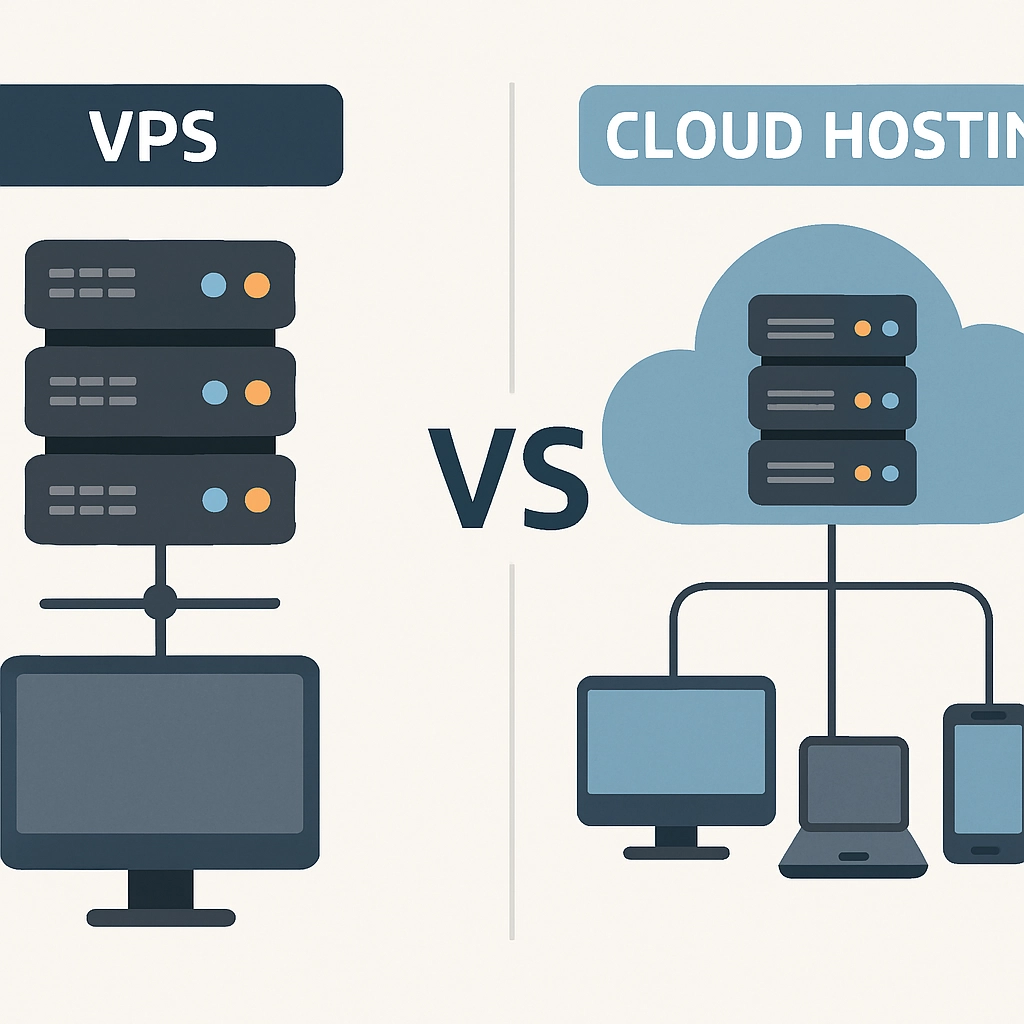
VPS vs Cloud Hosting: Which One is Right for You?
When it comes to hosting your website, choosing the right type can feel like navigating a labyrinth. With various options out there, VPS (Virtual Private Server) and cloud hosting are two popular choices that can leave you scratching your head. So, what’s the deal with these hosting types, and how do you determine which one is best for your needs? Let’s break down the basics and key differences to help you figure it out.
What is VPS Hosting?
VPS hosting is like renting your own apartment in a larger building. While you share the space with others (the server’s resources), you have your own dedicated section of that server. This setup gives you more control than shared hosting, as you can install specific software, run scripts, and tweak your server settings without affecting your neighbors.
VPS is particularly appealing for small to medium-sized businesses or projects that need more resources than shared hosting can offer but don’t want the overhead of dedicated servers. You typically get a fixed amount of CPU, RAM, and storage that you won’t share with others, which leads to better performance and reliability.
What is Cloud Hosting?
Cloud hosting, on the other hand, is more like having a vast network of apartments available within multiple buildings. Rather than being linked to a single physical server, cloud hosting utilizes a network of servers, allowing you to tap into resources from multiple machines. This means that if one server falters, your website can continue running smoothly using resources from another server in the network.
One of cloud hosting’s standout features is its scalability. If your site experiences a spike in traffic, it’s easy to access additional resources instantaneously. This flexibility makes cloud hosting ideal for businesses that anticipate growth or fluctuating traffic patterns, such as e-commerce sites or apps expecting a lot of user interaction.
Key Differences Between VPS and Cloud Hosting
1. Resource Allocation
With VPS hosting, resources are fixed. You’ll have a guaranteed allocation of RAM, CPU, and storage, which can lead to more consistent performance. In contrast, with cloud hosting, resource availability can be more dynamic. Since you’re pulling from a larger pool, you’re less likely to experience downtime or slow speeds during busy periods.
2. Scalability
The scalability of cloud hosting is one of its major appeal points. You can easily upscale or downscale your resources based on your current needs. VPS, while more limited in comparison, can still allow for resource adjustments, but you may have to upgrade to a higher plan altogether, which can be a more rigid process.
3. Performance and Reliability
Both options can provide good performance, but cloud hosting often edges out VPS in terms of reliability. With multiple servers at your disposal, the risk of downtime due to hardware failure is minimized. VPS, being a single server-based solution, may be more susceptible to outages if the hardware fails.
4. Cost
Generally, VPS hosting can be more affordable, especially for startups or businesses on a tight budget. Cloud hosting can become expensive with high resource demands, particularly during peak traffic times, so it’s essential to keep an eye on your usage to avoid surprises on your bill.
5. Management and Configuration
VPS hosting usually requires a bit more technical expertise, especially if you’re going the self-managed route. Cloud hosting solutions can offer managed services that simplify the technicalities. Many users appreciate how cloud hosting solutions come with user-friendly dashboards, making it easier for non-techies to manage their site.
Which One Should You Choose?
The choice between VPS and cloud hosting truly depends on your unique needs. If you’re running a small website or a project that expects stable but moderate traffic, VPS is a solid choice. It offers enough resources and the ability to customize your server environment.
On the flip side, if you foresee your site growing rapidly or experiencing fluctuating traffic, cloud hosting might be the way to go. With its abundant resources and reliability, cloud solutions can help you accommodate growth without a hitch.
In the end, knowing your current and future requirements is key to making the right decision. As hosting technology continues to evolve, staying informed about your options and understanding what fits your needs will always empower you to make the best choice for your online presence. Whether you choose VPS or cloud hosting, both have their perks and can support your digital journey effectively—just do your research, weigh the pros and cons, and you’ll be on the right path!
Welcome to DediRock, your trusted partner in high-performance hosting solutions. At DediRock, we specialize in providing dedicated servers, VPS hosting, and cloud services tailored to meet the unique needs of businesses and individuals alike. Our mission is to deliver reliable, scalable, and secure hosting solutions that empower our clients to achieve their digital goals. With a commitment to exceptional customer support, cutting-edge technology, and robust infrastructure, DediRock stands out as a leader in the hosting industry. Join us and experience the difference that dedicated service and unwavering reliability can make for your online presence. Launch our website.