
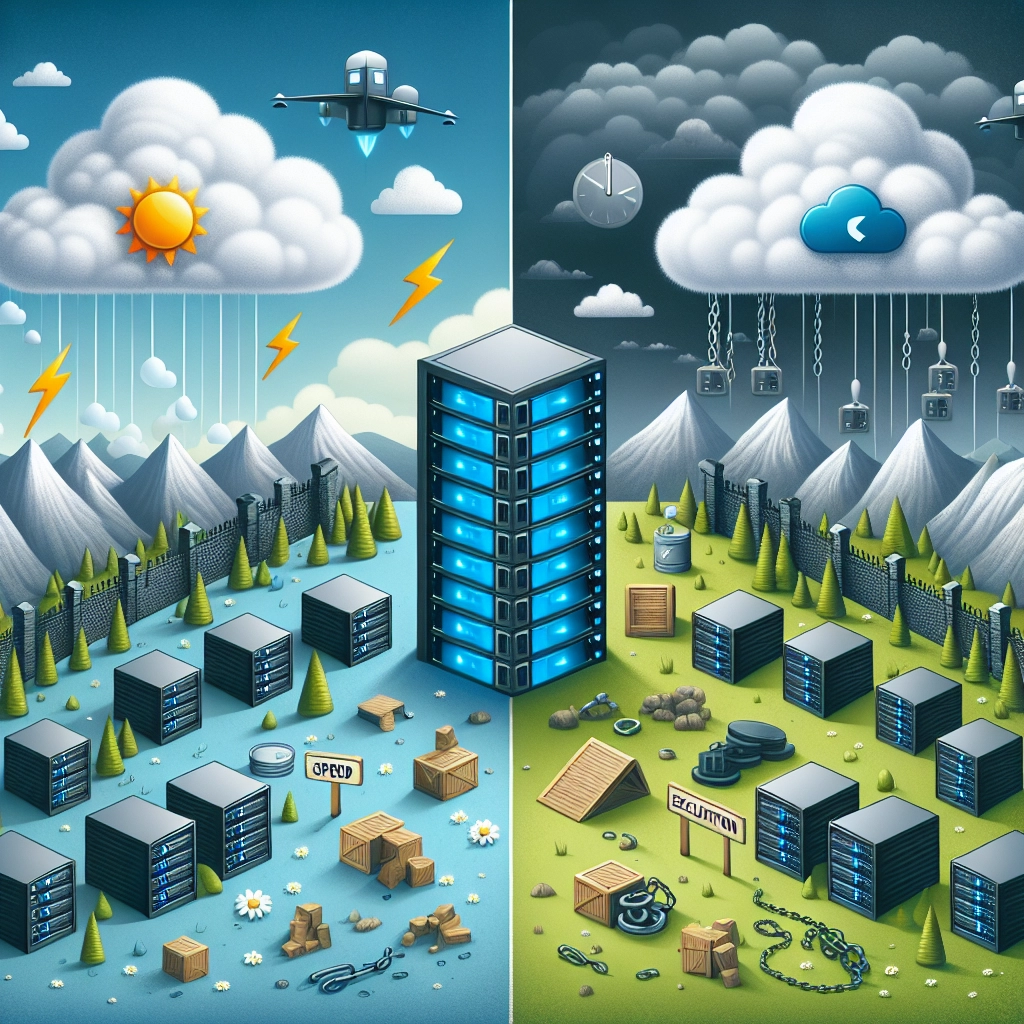
Cloud VPS vs. Dedicated Servers: Pros and Cons
In the ever-evolving world of web hosting, two popular options often come into play: Cloud VPS (Virtual Private Server) and dedicated servers. Each has its distinct advantages and disadvantages, making the choice a bit overwhelming if you’re not entirely sure what you need. So, let’s break down the pros and cons of both to help you make an informed decision!
What is Cloud VPS?
Cloud VPS is a virtualized server that mimics a dedicated server but runs on a much larger physical server. This means your resources are located in a cloud, allowing for great flexibility and scalability. Essentially, think of it as a small slice of a larger server that you can manage independently.
Pros of Cloud VPS
-
Scalability: If your website sees a sudden increase in traffic, Cloud VPS can easily scale up resources like RAM and CPU to meet demands. Conversely, if traffic dips, you can scale down and save costs, making it super flexible.
-
Cost-Effective: Typically, cloud VPS solutions come with flexible pricing models, allowing you to pay for what you use. This is perfect for startups or small businesses that may have fluctuating needs.
-
Reliability: Thanks to the cloud infrastructure, your data is typically stored across multiple servers, reducing the risk of downtime. If one server goes down, your website can still run on others, providing consistent uptime.
-
Access to Up-to-Date Technology: Cloud providers often keep their hardware and software updated, which means you’ll have access to the latest technology without constantly upgrading.
-
Managed Services: Many Cloud VPS providers offer managed or semi-managed services, so you can offload some of the technical responsibilities, allowing you to focus on your core business.
Cons of Cloud VPS
-
Complexity: While many providers aim to simplify the user experience, managing a VPS still requires more technical knowledge than shared hosting. If you’re not tech-savvy, this can be a hurdle.
-
Less Control: With a VPS, you’re sharing resources with other virtual servers. This can lead to performance issues if other sites on the same server have a sudden surge in traffic.
-
Variable Performance: Because it’s a communal environment, factors like noise from neighboring virtual machines can affect your server’s performance.
What is a Dedicated Server?
Dedicated servers are exactly what they sound like: a whole physical server dedicated to your website. This means you have complete control over the entire server and its resources, with no sharing involved.
Pros of Dedicated Servers
-
Powerful Performance: Since you’re not sharing the server, you have maximum resources dedicated to your site. This is ideal for resource-intensive applications or high-traffic websites.
-
Full Control: You have complete control over the server and can install any software or customize settings to your exact requirements. This is fantastic for developers who need specific environments.
-
Improved Security: With a dedicated server, there’s a lower risk of unauthorized access from other tenants, making it a great choice for businesses that handle sensitive data.
-
Stable Resources: Your performance won’t be impacted by the activities of others since you’re the only one using those resources, leading to a more stable experience overall.
-
Customization: You can tailor the hardware and software specifications to fit your needs, which can result in optimal performance for your specific applications.
Cons of Dedicated Servers
-
Cost: Dedicated servers tend to be more expensive than VPS options. If budget is a concern, this might be a deal-breaker for smaller businesses or personal projects.
-
Less Scalability: Scaling up a dedicated server usually requires purchasing new hardware, which means it can take longer to adjust to sudden traffic spikes.
-
Maintenance Responsibility: While having full control is great, it also means you’re responsible for server maintenance, management, and security patches, which can require significant technical expertise.
-
Longer Set-Up Time: Getting a dedicated server up and running can take longer than setting up a VPS, leading to potential downtimes during the initial process.
-
Potential Overkill: For smaller websites or startups with low traffic, a dedicated server may simply be too much power (and cost) for their needs.
Making the Choice
So, which one is right for you? It really depends on your business and website needs. If you’re just starting out and need a flexible, cost-effective solution that can grow with you, Cloud VPS might be the best way to go. However, if your site demands higher performance and you have the budget, a dedicated server can offer unmatched power and stability.
Ultimately, understanding your needs and assessing your current and future requirements is key. Whichever route you choose, both Cloud VPS and dedicated servers offer unique benefits that can help you build and maintain a successful online presence. Don’t hesitate to weigh your options carefully!
Welcome to DediRock, your trusted partner in high-performance hosting solutions. At DediRock, we specialize in providing dedicated servers, VPS hosting, and cloud services tailored to meet the unique needs of businesses and individuals alike. Our mission is to deliver reliable, scalable, and secure hosting solutions that empower our clients to achieve their digital goals. With a commitment to exceptional customer support, cutting-edge technology, and robust infrastructure, DediRock stands out as a leader in the hosting industry. Join us and experience the difference that dedicated service and unwavering reliability can make for your online presence. Launch our website.