
Comparing VPS Hosting and Shared Hosting: Which is Right for You?
When it comes to launching a website, one of the first decisions you’ll face is what type of hosting to choose. With so many options available, it can be a bit overwhelming. Two popular choices are VPS (Virtual Private Server) hosting and shared hosting. Both have their pros and cons, but which one is right for you? Let’s break it down.
What is Shared Hosting?
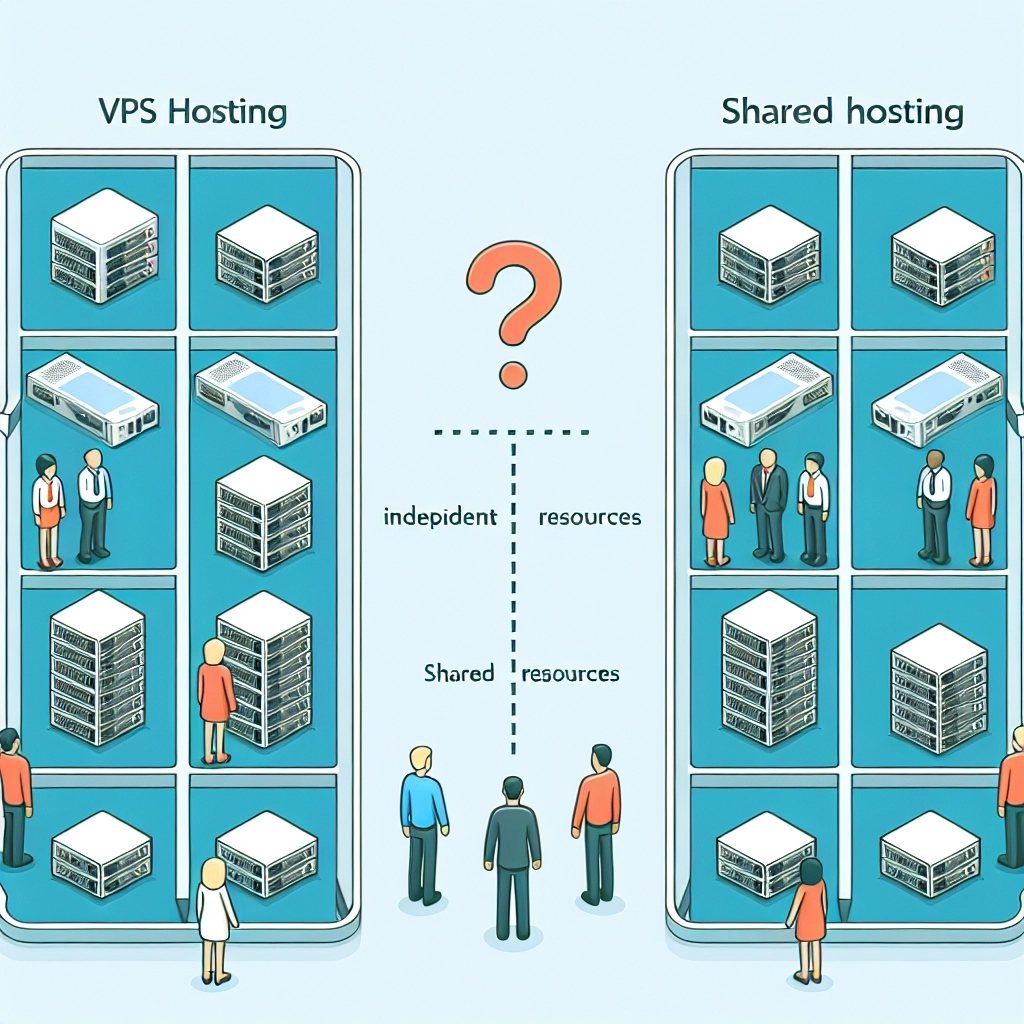
Shared hosting is like living in a crowded apartment building. You share the resources (think bandwidth, CPU, and memory) with a bunch of other websites on the same server. It’s generally the most affordable option, making it an attractive choice for beginners or those with small to medium traffic websites. With shared hosting, the web host typically takes care of server maintenance, security, and software updates, so it’s a great hands-off solution if you’re just starting out.
However, there are downsides. Because you’re sharing resources, if one site on your server experiences a traffic spike, it can affect your website’s performance. Server reliability can be an issue, and you also won’t have as much control over server settings and configurations.
What is VPS Hosting?
In contrast, VPS hosting offers more of a "personalized" living experience. While you still share a physical server with other users, VPS hosting virtually divides the server into independent units. This means you have your own dedicated portion of the server’s resources. You get increased performance, reliability, and security compared to shared hosting.
VPS hosting is particularly beneficial for those with growing websites that require more resources or higher levels of customization. You have more control over the server environment, meaning you can install and configure software as needed. This level of flexibility is fantastic for developers or businesses that expect to scale.
However, VPS hosting is usually more expensive than shared hosting, and it often requires a bit more technical know-how. If you want to take advantage of the flexibility, some level of server management might fall on your shoulders.
Performance
When it comes to performance, there’s no denying that VPS hosting takes the crown. Because resources are allocated specifically for your virtual server, you’ll see faster loading times and more reliable uptime. If your site starts getting a lot of visitors, your VPS can handle the increased traffic more effectively than shared hosting could.
For example, imagine you’re running an online store during a holiday sale. With shared hosting, a higher-than-expected number of visitors could lead to slow load times or even downtime. On a VPS, you’re in a much better position as your resources aren’t affected by others.
Cost
Cost is a significant factor when choosing between VPS and shared hosting. Shared hosting is typically the more affordable option, often starting at just a few dollars a month. This is ideal for startups, bloggers, or businesses that are just getting off the ground and may not have the budget for more expensive hosting.
On the other hand, VPS hosting can range anywhere from $20 to $100 per month, depending on the resources and management options you choose. For serious businesses or websites that generate revenue, the investment may be worthwhile for the enhanced performance and reliability.
Flexibility and Control
If you’re someone who enjoys diving into the technical aspects of web management, VPS hosting provides that opportunity. You can customize your server settings, manage security protocols, and even install custom software that suits your needs.
Shared hosting, while easier for beginners, comes with its limitations when it comes to customization. If you’re running a simple blog or a small website that doesn’t require heavy software, shared hosting might be all you need. But if you’re looking to scale up or require specific functionalities, a VPS gives you the flexibility to grow.
Which One is Right for You?
So, how do you choose between the two? It really boils down to your needs. If you’re just starting with a small blog or personal website and are on a tight budget, shared hosting is a great place to begin. It gets the job done without breaking the bank.
But, if you’re growing a small business, an e-commerce site, or anticipate higher traffic levels, investing in VPS hosting could save you from future headaches. The improved performance, reliability, and control might be exactly what you need to take your online presence to the next level.
Each hosting option has its unique benefits, and the best choice is the one that suits your current needs while keeping future growth in mind. The key is to evaluate your priorities and what will serve you best in the long run. Whichever path you choose, you’ll be one step closer to your online success!
Welcome to DediRock, your trusted partner in high-performance hosting solutions. At DediRock, we specialize in providing dedicated servers, VPS hosting, and cloud services tailored to meet the unique needs of businesses and individuals alike. Our mission is to deliver reliable, scalable, and secure hosting solutions that empower our clients to achieve their digital goals. With a commitment to exceptional customer support, cutting-edge technology, and robust infrastructure, DediRock stands out as a leader in the hosting industry. Join us and experience the difference that dedicated service and unwavering reliability can make for your online presence. Launch our website.