
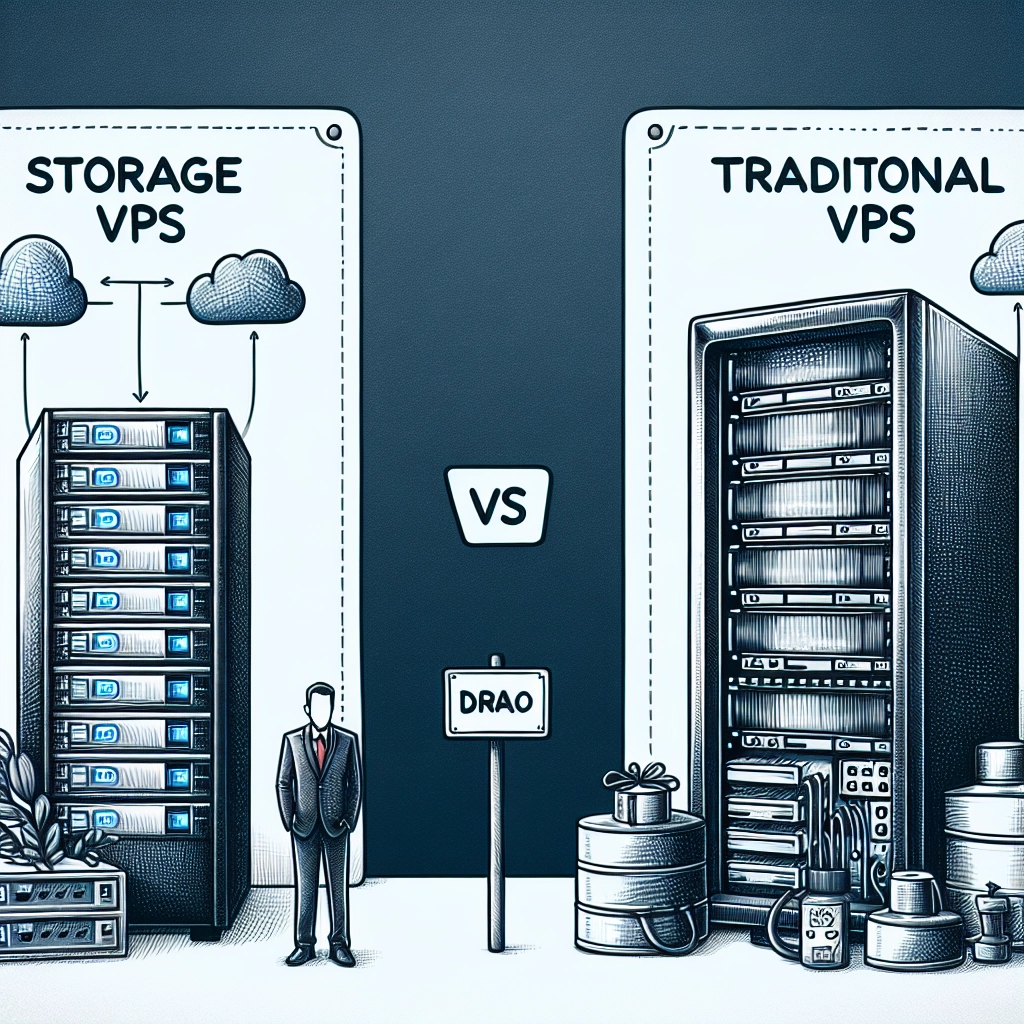
When it comes to hosting solutions, you might have come across the terms Storage VPS and Traditional VPS. If you’re here scratching your head and wondering which one is right for you, don’t worry! We’re diving into the nitty-gritty of each type of virtual private server so you can make the best choice for your needs. Let’s break it down in a way that’s easy to digest.
The Basics: What Is a VPS?
First off, let’s clarify what a VPS is. A Virtual Private Server (VPS) is like having your own slice of a physical server. Imagine a giant cake (the physical server) that’s sliced into smaller portions for different customers. Each slice (the VPS) operates independently, allowing users to install software, manage settings, and enjoy a higher level of performance than shared hosting can provide.
What Exactly Is a Storage VPS?
Now, let’s turn our attention to a Storage VPS. As the name suggests, this type is optimized specifically for storing and managing large volumes of data. Typical use cases include backups, file storage, media libraries, and even analytics data. A Storage VPS often comes with increased storage capacity—think multiple terabytes—without cramping your style with hefty processing power that you don’t need.
In a Storage VPS, you’ll typically find:
- Focus on Storage: It’s designed to handle high levels of data input/output (I/O) operations, making it ideal for applications that need to manage lots of files or large databases.
- Cost Efficiency: You get more storage for the money compared to a traditional VPS, which might provide more CPU and RAM than you require.
- Redundancy and Reliability: Many Storage VPS options include features to keep your data safe, like automatic backups and RAID (Redundant Array of Independent Disks) setups, safeguarding your precious files against hardware failures.
Traditional VPS: The All-Rounder
On the flip side, we have the Traditional VPS. This option is popular for various applications, including web hosting, small to medium-sized applications, and more. With a Traditional VPS, you can think of it as your all-around powerhouse. While it does allow for file storage, it’s not its primary focus. The Traditional VPS offers a balanced blend of processing power, RAM, and storage capacity.
Here’s what to expect:
- Well-Rounded Performance: Includes ample CPU and RAM for applications that require processing power alongside storage—think websites, online applications, or game servers.
- Versatile Use Cases: Ideal for businesses that might need to scale up as they grow, since you can adjust resources like CPU and RAM without needing to shift to a different hosting environment.
- Greater Control: You often get Root access, which means you can customize your server environment according to your needs, installing any software you want.
Storage Capacity and Performance
While a Traditional VPS might offer sufficient storage for basic needs, it typically has lower storage capabilities compared to a dedicated Storage VPS. If you’re planning to host a large amount of data—especially if it’s media-heavy or requires frequent read/write access—you might find that a Storage VPS is more suited for the job.
Conversely, if you’re managing a dynamic website, web application, or online business that requires a mix of storage and processing power, a Traditional VPS could offer the balanced performance you need.
When to Choose What
So, how do you know whether to go with a Storage VPS or Traditional VPS? Here are some quick tips:
-
Choose a Storage VPS if:
- You’re dealing with large files or databases.
- Your primary need is robust storage and backup solutions.
- You want peace of mind knowing your data is housed in a secure environment.
-
Opt for a Traditional VPS if:
- You need a versatile server that can perform various tasks.
- Your application requires significant processing power alongside storage.
- You’re managing an interactive website or an application that expects traffic.
One Size Doesn’t Fit All
Ultimately, the best choice between a Storage VPS and a Traditional VPS depends on your specific needs. Each server type has its strengths and weaknesses. Understanding your storage demands and performance requirements will guide you in choosing the right fit.
So now that you’re armed with knowledge, feel free to delve into the world of VPS hosting with confidence! Whether you’re a budding entrepreneur or a someone curious about diving into the land of data, deciding between a Storage VPS and a Traditional VPS is just one step in your journey to finding the perfect home for your digital assets. Happy hosting!
Welcome to DediRock, your trusted partner in high-performance hosting solutions. At DediRock, we specialize in providing dedicated servers, VPS hosting, and cloud services tailored to meet the unique needs of businesses and individuals alike. Our mission is to deliver reliable, scalable, and secure hosting solutions that empower our clients to achieve their digital goals. With a commitment to exceptional customer support, cutting-edge technology, and robust infrastructure, DediRock stands out as a leader in the hosting industry. Join us and experience the difference that dedicated service and unwavering reliability can make for your online presence. Launch our website.