
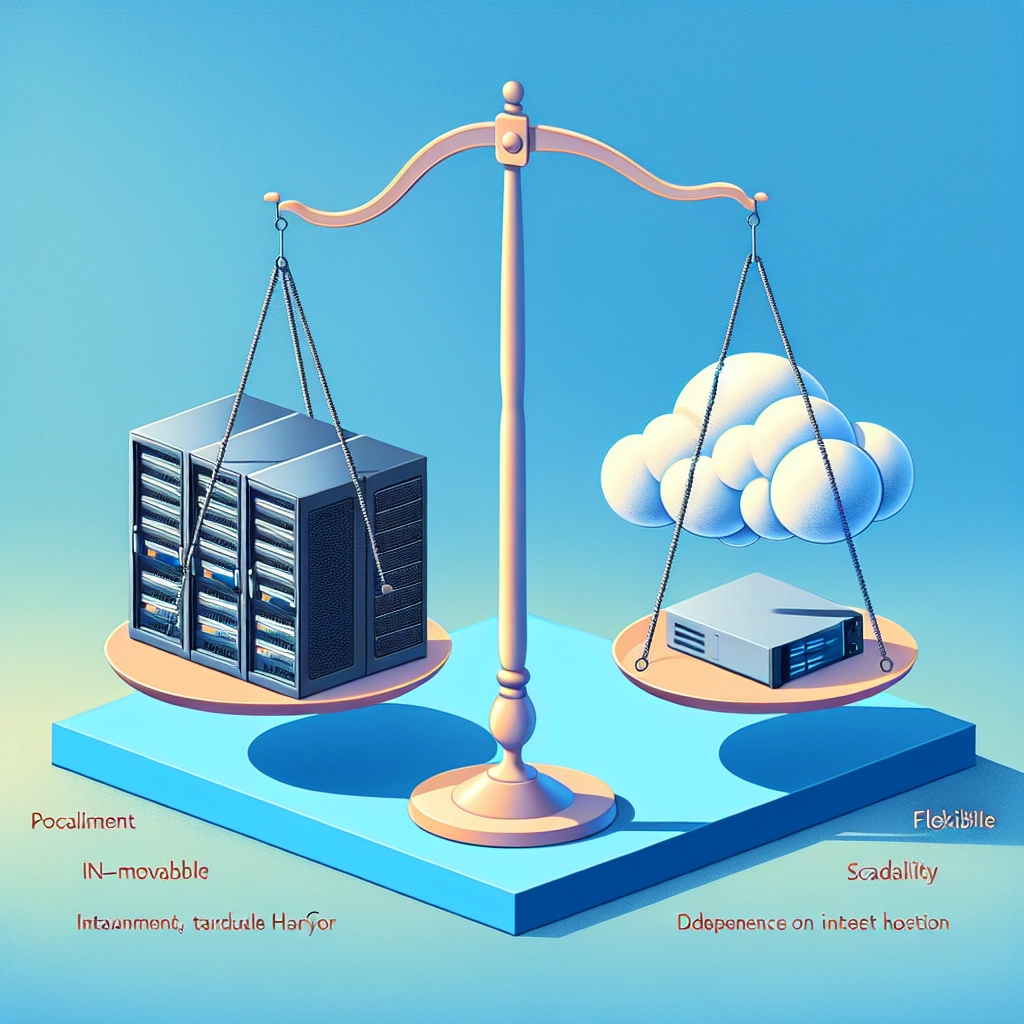
Dedicated Servers vs. Cloud Hosting: Pros and Cons
When it comes to choosing the right hosting solution for your website or application, the options can feel overwhelming. Dedicated servers and cloud hosting are two popular choices, each with its own set of advantages and disadvantages. Understanding them can help you make an informed decision that aligns with your needs. So, let’s dive into the world of hosting and unpack the pros and cons of both dedicated servers and cloud hosting.
What Are Dedicated Servers?
Dedicated servers are physical machines that are exclusively allocated to a single user. This means you get full control over the server, its resources, and the software that runs on it. It’s like having your very own private office — you call all the shots.
Pros of Dedicated Servers
-
Performance: Since you’re not sharing resources with anyone else, dedicated servers can handle heavy loads and high traffic seamlessly. This makes them a solid choice for business websites, online stores, or applications requiring significant computing power.
-
Customization: With complete control over the server environment, you can customize hardware and software to meet specific needs. This is especially valuable for businesses with unique configurations or those that require specific security measures.
-
Increased Security: Dedicated servers are generally more secure because you don’t have to worry about other users potentially compromising your data or server integrity. You can implement your own security protocols, firewalls, and measures tailored to your requirements.
-
Reliable Performance: Dedicated servers usually offer consistent performance. There’s no risk of "bad neighbors" affecting your server’s operation—a common issue in shared hosting environments.
Cons of Dedicated Servers
-
Cost: One of the biggest drawbacks of dedicated servers is the cost. They are typically more expensive than other hosting options, requiring a significant financial commitment, which might not be feasible for smaller businesses or individual projects.
-
Maintenance and Management: Managing a dedicated server requires technical expertise. If you’re not comfortable with server administration, you may face challenges that necessitate hiring an IT professional or managed services.
-
Lack of Scalability: If your website or application experiences rapid growth, scaling up a dedicated server can be cumbersome. You may need to invest in additional hardware, which can lead to downtime and additional expenses.
What is Cloud Hosting?
Cloud hosting, on the other hand, leverages a network of virtual servers hosted on the cloud. It allows your data and applications to be spread across multiple servers, which offers a level of flexibility and scalability.
Pros of Cloud Hosting
-
Scalability: One of cloud hosting’s most significant advantages is its ability to scale resources up or down with ease. If your site experiences a spike in traffic, you can quickly allocate more resources to handle it without enduring downtime.
-
Cost-Effectiveness: With cloud hosting, you typically pay for what you use. This model can save money, making it an attractive option for startups or businesses with fluctuating resource needs.
-
High Availability: Since your website runs on multiple servers, if one goes down, the others can pick up the slack. This redundancy can significantly reduce the risk of downtime.
-
Automatic Backups and Updates: Many cloud hosting providers offer automated backups and software updates, so you don’t have to spend time managing these crucial tasks.
Cons of Cloud Hosting
-
Variable Performance: Because resources are shared, your site’s performance could be affected by other users’ activities on the cloud. During peak usage times, you may experience slower speeds compared to dedicated hosting.
-
Security Concerns: While many cloud providers prioritize security, the multi-tenant nature of cloud infrastructure can sometimes raise potential security risks. It’s essential to do due diligence when selecting a cloud provider to ensure robust security measures are in place.
-
Limited Control: With cloud hosting, you often have less control over server configurations. This could be a drawback if you have specific needs or want to customize your hosting environment.
-
Complexity: Managing a cloud hosting solution can be more complex than dedicated servers, especially if you’re not familiar with cloud technologies. Understanding concepts like virtualization, load balancing, and failover can require a learning curve.
Making the Right Choice
Choosing between dedicated servers and cloud hosting ultimately boils down to your specific needs, budget, and technical expertise. If you require robust performance, heightened security, and complete control, dedicated servers may be your best bet. However, if scalability, cost-effectiveness, and high availability are top priorities, cloud hosting could provide the flexibility you need.
In the end, it’s about finding a hosting solution that’s a perfect fit for your unique situation. Whether you lean toward the stability of a dedicated server or the agile nature of cloud hosting, the right choice will empower your online presence and help you achieve your goals. Happy hosting!
Welcome to DediRock, your trusted partner in high-performance hosting solutions. At DediRock, we specialize in providing dedicated servers, VPS hosting, and cloud services tailored to meet the unique needs of businesses and individuals alike. Our mission is to deliver reliable, scalable, and secure hosting solutions that empower our clients to achieve their digital goals. With a commitment to exceptional customer support, cutting-edge technology, and robust infrastructure, DediRock stands out as a leader in the hosting industry. Join us and experience the difference that dedicated service and unwavering reliability can make for your online presence. Launch our website.