
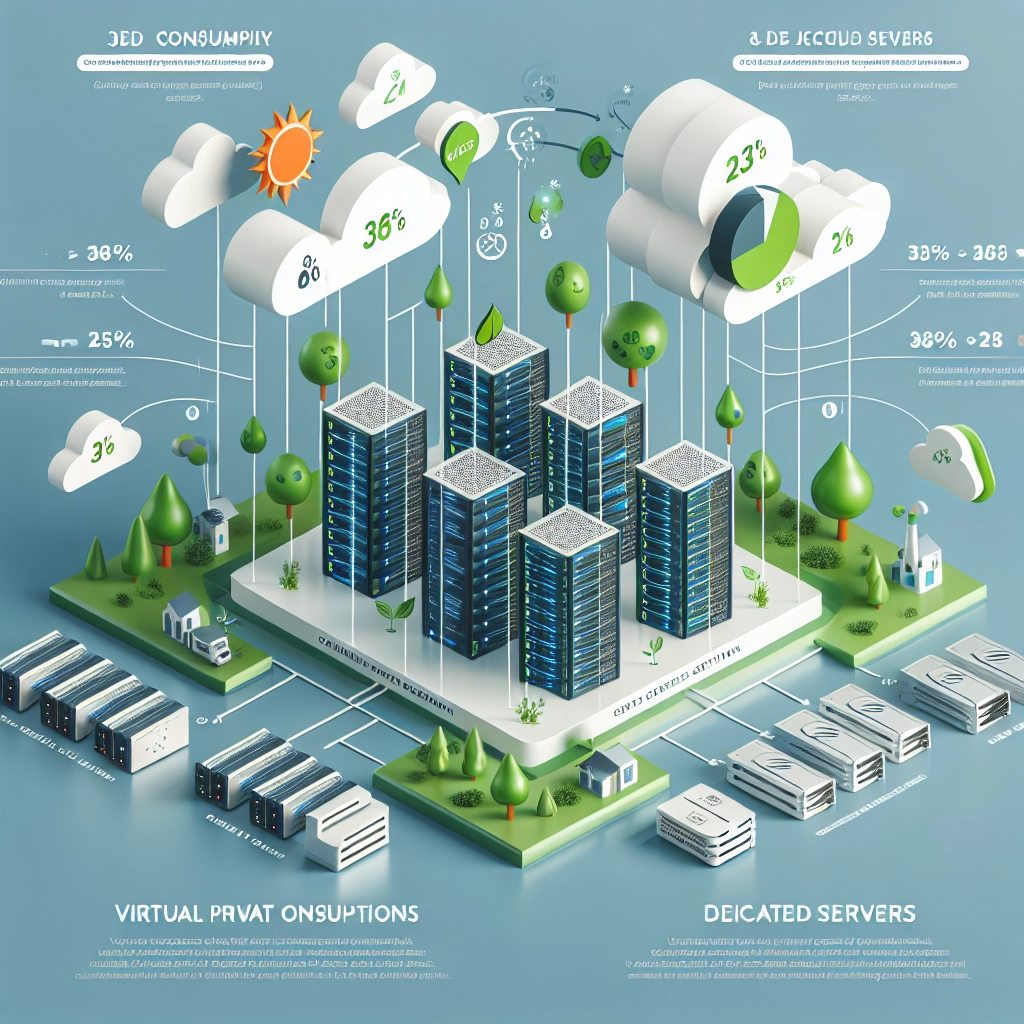
The Environmental Impact of VPS and Dedicated Servers
In today’s digital age, the reliance on servers has never been more pronounced. Whether you’re streaming your favorite show, browsing social media, or running a small business website, servers are doing much of the heavy lifting behind the scenes. But as we increasingly turn to virtual private servers (VPS) and dedicated servers, it’s essential to pause and consider: what’s the environmental footprint of our online activities?
Understanding the environmental impact of these server types starts with a look at energy consumption.
Energy Consumption: The Big Player
Both VPS and dedicated servers consume a significant amount of energy. A dedicated server is a physical server that is entirely utilized by one client. This means that all its processing power, memory, and storage are reserved for just one user. In contrast, a VPS sits in a shared environment on a physical server that’s partitioned into multiple isolated virtual environments. This allows multiple users to leverage the server’s resources without the need for a physical machine for each.
While VPS solutions are generally more energy-efficient than dedicated servers—due in part to their shared resources—both types still demand considerable power. They run 24/7 and require cooling systems to keep them from overheating. Data centers, which house these servers, can consume a staggering amount of energy. According to reports, data centers account for about 2% of global electricity consumption, and this number is projected to grow if not managed properly.
Cooling: A Hidden Cost
Cooling systems are another critical component of server management. A single server generates a fair amount of heat, and to maintain optimal operating conditions, data centers use cooling systems that often double the total energy cost of running servers. Air conditioning units, liquid cooling solutions, and advanced cooling technologies all contribute to this additional energy burden. This means that the environmental impact is not just about the servers themselves but also about how we manage and maintain them.
Carbon Footprint and Resources
It isn’t merely the energy consumption that’s concerning; it’s the source of that energy. If a data center is powered by fossil fuels, its carbon footprint can be substantial. However, many companies are beginning to recognize this issue, and a shift towards renewable energy sources is happening. Some tech giants have pledged to power their data centers with 100% renewable energy in the coming years.
When considering the environmental cost of VPS and dedicated servers, we must also factor in the physical resources needed to build the hardware. Servers require metals, plastics, and other materials, and mining and manufacturing these materials can have a detrimental effect on the planet. E-waste also poses a significant problem; when servers are decommissioned, improper disposal can lead to hazardous materials leaching into the environment.
The Rise of Eco-Friendly Hosting
It’s clear there’s a growing awareness of these issues in the tech community, which has spurred a movement towards eco-friendly hosting solutions. Many providers are now implementing sustainable practices like using energy-efficient hardware, optimizing cooling systems, and even participating in carbon offset programs. Some data centers are powered entirely by renewable energy, showcasing that a path forward exists for reducing the sector’s environmental impact.
Choosing a hosting provider that is committed to sustainability can also make a significant difference in your own carbon footprint. When selecting a VPS or dedicated server, look for companies with transparent energy practices or certifications like Energy Star.
The Responsibility of Users
As users, we have a role to play as well. Optimizing your website and employing effective caching strategies can reduce the energy your server consumes. A streamlined site requires fewer resources and translates into lower energy use. Additionally, think about reevaluating whether you truly need a dedicated server for your needs, or if a VPS would suffice.
In conclusion, the environmental impact of VPS and dedicated servers is multifaceted and requires a collective effort to address. By understanding the energy consumption, the implications of cooling systems, and the importance of material sourcing, we can foster a more sustainable digital environment. Opting for energy-efficient solutions and prioritizing hosting providers that champion renewable energy can help pave the way for a greener future. So, as we surf the web and engage with our digital worlds, let’s also be mindful stewards of the planet we call home.
Welcome to DediRock, your trusted partner in high-performance hosting solutions. At DediRock, we specialize in providing dedicated servers, VPS hosting, and cloud services tailored to meet the unique needs of businesses and individuals alike. Our mission is to deliver reliable, scalable, and secure hosting solutions that empower our clients to achieve their digital goals. With a commitment to exceptional customer support, cutting-edge technology, and robust infrastructure, DediRock stands out as a leader in the hosting industry. Join us and experience the difference that dedicated service and unwavering reliability can make for your online presence. Launch our website.