
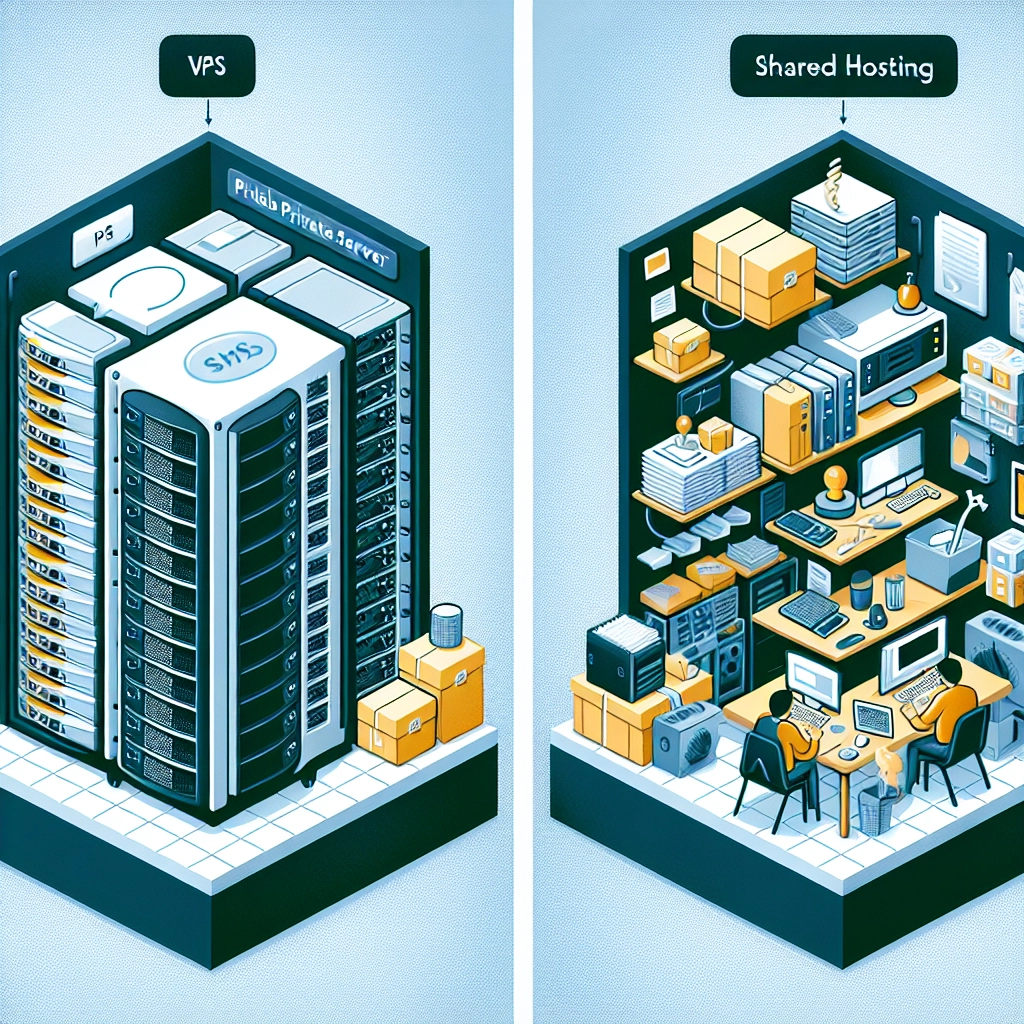
A Beginner’s Guide to VPS vs. Shared Hosting
If you’re dipping your toes into the world of web hosting, you might be feeling a bit overwhelmed. With tons of options available, it can be tricky to know where to start. Among the most commonly debated choices are VPS (Virtual Private Server) hosting and shared hosting. Each has its pros and cons, and understanding the differences can help you make the right decision for your website.
What is Shared Hosting?
Let’s start with shared hosting. Imagine you and a bunch of friends decide to rent an apartment together. That’s essentially what shared hosting is – you’re sharing resources (like server space, memory, and bandwidth) with other websites on a single server. This setup is usually the most budget-friendly option available, making it super popular among beginners who are just starting out.
Pros of Shared Hosting:
- Cost-Effective: The shared resources are reflected in the price. You can typically find good hosting plans for as little as $3 to $10 a month.
- User-Friendly: Most shared hosting providers offer user-friendly control panels, so even if you’re not tech-savvy, you can get your website up and running without a hitch.
- Maintenance-Free: The hosting provider handles server management, meaning you don’t have to worry about software updates, security patches, or hardware failures.
Cons of Shared Hosting:
- Limited Resources: Since you’re sharing with others, if one website suddenly gets a lot of traffic, it can slow down the performance of your site.
- Less Control: You don’t have full control over server settings, so you’re constrained when it comes to customizations and configurations.
- Security Risks: With multiple sites on the same server, security vulnerabilities in one site can potentially expose others to risks.
What is VPS Hosting?
Now, let’s switch gears and talk about VPS hosting. Picture a luxury apartment complex where each unit has its own space and amenities, even though they’re on the same property. VPS hosting gives you a slice of a larger server that is partitioned off just for you. It’s like having your own virtual server, but at a fraction of the cost of a dedicated server.
Pros of VPS Hosting:
- Dedicated Resources: With VPS, you get guaranteed resources, which means better performance, especially during peak times. Your website won’t get bogged down by your neighbors’ traffic.
- More Control: You have root access to your server, allowing advanced configurations, custom software installations, and modifications.
- Improved Security: With fewer accounts per server, VPS is generally more secure than shared hosting. You have your own isolated environment, reducing the risk of cross-site vulnerabilities.
Cons of VPS Hosting:
- Higher Costs: VPS hosting is more expensive, typically ranging from $20 to $100 per month, depending on the resources you need.
- Technical Knowledge Needed: Some level of technical expertise is required to manage a VPS. If you want to customize and optimize your server, you’ll need to know your way around a command line or two.
- Maintenance Responsibilities: While many providers offer managed VPS solutions, the responsibility for server management often falls more on you compared to shared hosting.
Which One Should You Choose?
Choosing between VPS and shared hosting really depends on your specific needs. If you’re just starting out and launching a simple blog or personal website, shared hosting might be the perfect fit. It’s affordable, straightforward, and gives you the essentials without any extra fuss. Plus, you can always upgrade to VPS later if your website needs grow.
On the flip side, if you’re planning to launch an ecommerce store, a high-traffic blog, or any other business that requires more performance and control, investing in VPS hosting can save you a lot of headaches down the road.
As you explore your options, keep in mind that many hosting providers offer easy migration paths. So, if you start with shared hosting and outgrow it, transitioning to a VPS solution can usually be done without major disruptions to your website.
Ultimately, the best choice aligns with your current requirements and future goals. Weigh the pros and cons, consider your budget, and if possible, chat with a customer support representative from hosting companies to clarify any lingering doubts. Happy hosting!
Welcome to DediRock, your trusted partner in high-performance hosting solutions. At DediRock, we specialize in providing dedicated servers, VPS hosting, and cloud services tailored to meet the unique needs of businesses and individuals alike. Our mission is to deliver reliable, scalable, and secure hosting solutions that empower our clients to achieve their digital goals. With a commitment to exceptional customer support, cutting-edge technology, and robust infrastructure, DediRock stands out as a leader in the hosting industry. Join us and experience the difference that dedicated service and unwavering reliability can make for your online presence. Launch our website.