
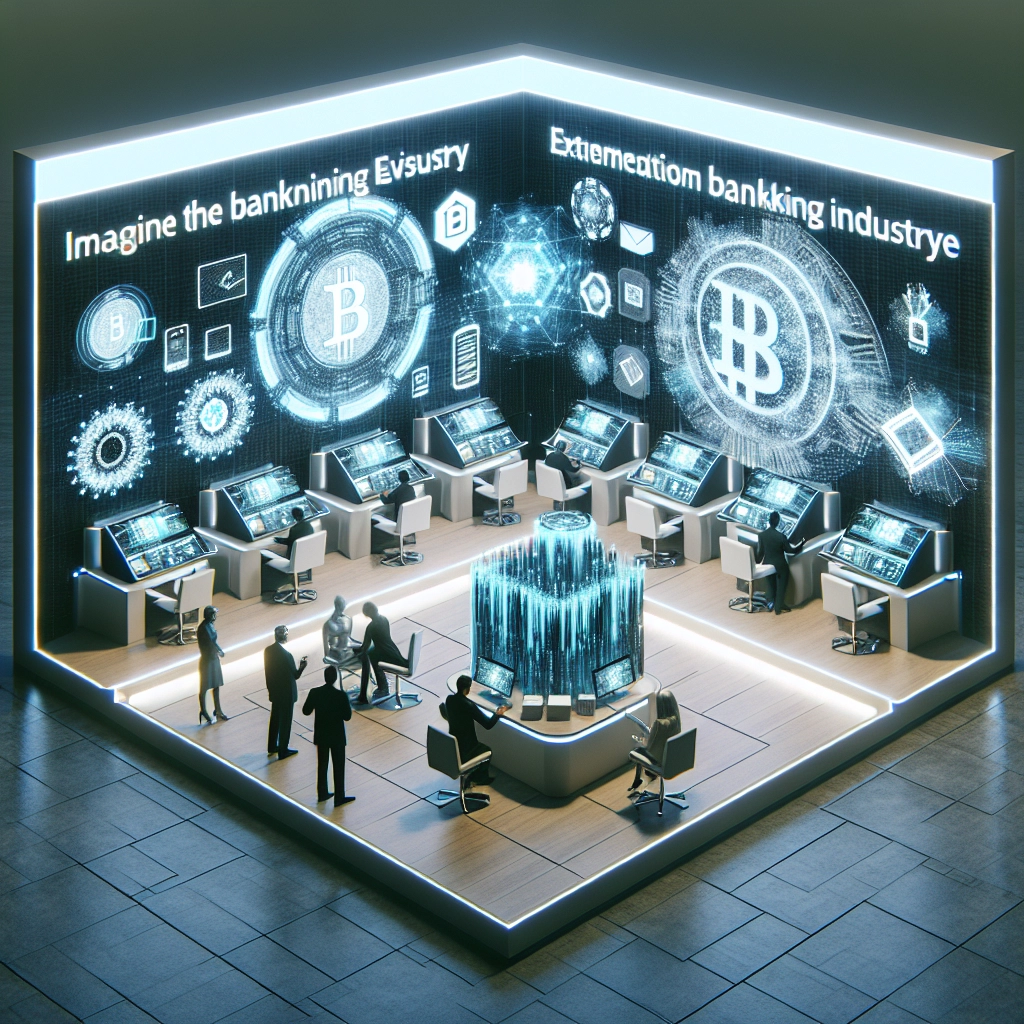
The banking industry is undergoing a significant transformation as it shifts from a capital-intensive model to a technology-focused ecosystem. As we approach 2026, the convergence of macroeconomic factors and advancements in artificial intelligence (AI) necessitate a comprehensive strategic overhaul. One of the primary goals of this evolution is to modernize core systems, transitioning to modular, cloud-native platforms that facilitate seamless interoperability and the integration of regulated digital assets.
Key Trends Shaping Banking in 2026
The following five trends represent fundamental changes to the banking business model that are poised to define competitive advantages for the next decade.
Agentic Intelligence
The banking sector is progressing beyond the initial excitement surrounding Generative AI into a more capable phase known as Agentic Intelligence. Unlike earlier AI systems that acted as passive assistants—generating text or summarizing documents—Agentic AI functions as an independent digital workforce. It can autonomously execute tasks across multiple systems without requiring manual intervention.
This technology allows back-office operations to perform complex end-to-end processes like Anti-Money Laundering (AML) investigations or loan underwriting independently. In front-office scenarios, it automates customer interactions, managing clients’ financial health by rebalancing portfolios or switching to higher-yield savings accounts in response to market changes. By 2026, the aim is to establish a collaborative dynamic where AI tackles high-volume execution tasks, allowing human team members to concentrate on strategic planning and client relations.
Regulated Digital Assets
By 2026, regulated digital assets will play an integral role in banking innovation. Banks are expected to adopt tokenized assets, stablecoins, and Central Bank Digital Currencies (CBDCs) within their mainstream financial infrastructures. This will see a shift from pilot projects to the deployment of comprehensive tokenization platforms that support fractional ownership of various assets while ensuring compliance with regulatory standards to maintain systemic stability.
Central banks, such as the Reserve Bank of India, are rolling out CBDC pilots like the e-rupee to bolster financial inclusion and transaction efficiency. Simultaneously, as decentralized finance (DeFi) operates in a regulatory grey area, discussions around accountability are intensifying, suggesting a gradual shift toward structured engagement between traditional finance and decentralized platforms.
Composable Architecture
Banks are increasingly adopting composable architectures to address unpredictable market conditions, changing customer needs, and regulatory demands. Instead of relying on large, rigid systems, they are assembling modular components such as APIs, microservices, and cloud-native solutions that can be quickly reconfigured to release new products or respond to emerging risks. This strategy allows for the seamless integration of AI and analytics across various functions—enhancing fraud detection, compliance, and customer acquisition efforts—ensuring both agility and resilience.
In 2026, the focus will be on creating value, with institutions eliminating technology investments lacking clear performance links. Analysts emphasize that composability enables banks to scale operations, collaborate with fintech partners, and deliver personalized customer experiences rapidly.
Quantum-Safe Banking
The advent of quantum computing presents a significant risk to traditional cryptographic methods like RSA and elliptic curve cryptography. Experts caution that data encrypted today could be compromised in the future as quantum technology advances, making early adaptation crucial.
Financial institutions are transitioning from exploration to implementing Post-Quantum Cryptography (PQC), guided by recommendations from bodies like NIST. Many are adopting hybrid strategies that combine conventional and quantum-safe algorithms to ensure backward compatibility and strengthen security measures. This shift is essential for maintaining secure transactions and preserving customer trust within the banking sector.
ESG and Sustainable Digitalization
Environmental, Social, and Governance (ESG) considerations are evolving from mere compliance requirements into strategic frameworks that guide governance, risk management, and investment processes. Boards and ESG committees are increasingly expected to demonstrate measurable outcomes and accountability due to growing investor demand for transparency and sustainable finance practices.
Banks are harnessing AI, cloud computing, and data analytics to track carbon emissions, refine reporting standards, and enhance sustainable lending initiatives. Digitalization geared toward sustainability allows banks to not only improve operational efficiency but also to expand financial inclusion and contribute to climate adaptation goals.
Conclusion
As we move toward 2026, the banking sector is set for a profound transformation where higher expectations and the need for adaptation drive critical changes. Institutions must operate with increased transparency, robust digital protections, and a commitment to sustainable practices. The success of banks will hinge on their ability to embrace modernization by enhancing their technological foundations, refining governance, and adopting impactful solutions for their customers and the broader community.
The trajectory is clear: those who take bold, decisive action today will lead the way in shaping the future of banking, fostering an environment that is agile, trustworthy, and primed for sustainable growth.
Welcome to DediRock, your trusted partner in high-performance hosting solutions. At DediRock, we specialize in providing dedicated servers, VPS hosting, and cloud services tailored to meet the unique needs of businesses and individuals alike. Our mission is to deliver reliable, scalable, and secure hosting solutions that empower our clients to achieve their digital goals. With a commitment to exceptional customer support, cutting-edge technology, and robust infrastructure, DediRock stands out as a leader in the hosting industry. Join us and experience the difference that dedicated service and unwavering reliability can make for your online presence. Launch our website.