
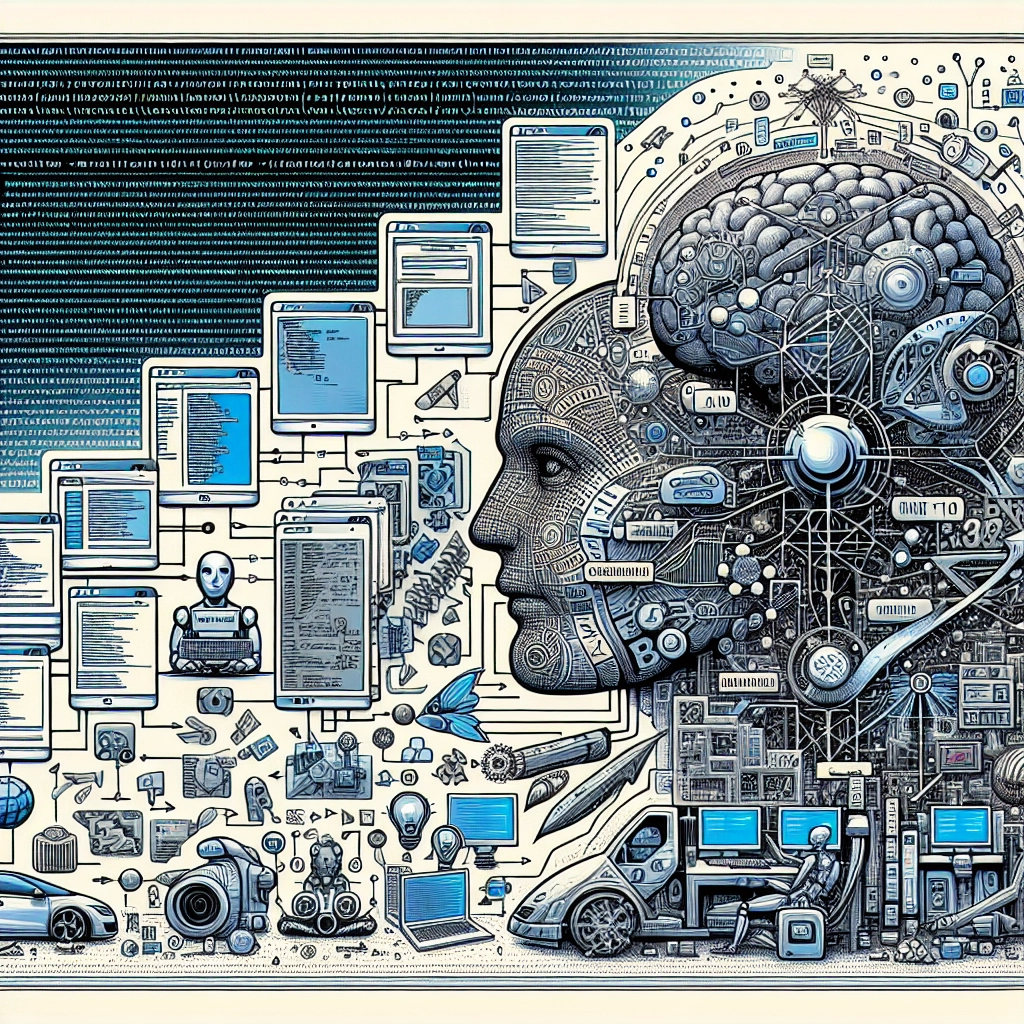
The Evolution of Web Development: From Static Pages to AI-Driven Experiences
Web development has transformed significantly from its origins, evolving beyond simple static pages to an era defined by dynamic, AI-driven interactions. Once a place of static, text-heavy HTML, the internet has become a collaborative platform where AI plays a pivotal role in shaping user experiences.
The Humble Beginnings: The Static Web (Web 1.0)
In the 1990s, the internet was a quiet realm filled with basic HTML pages, often resembling digital brochures. With tools limited to text editing software and primitive design applications, web development was largely manual. Macromedia Dreamweaver emerged as a turning point, enabling users to craft complex sites without writing every line of code. The introduction of Adobe Flash brought life to the web, offering animations and interactivity, although it eventually fell out of favor due to its heavy resource demands.
Enter the Dynamic Web (Web 2.0)
The advent of broadband in the early 2000s revolutionized web experiences. No longer confined to static display, websites became dynamic, showcasing content personalized by user data. Server-side languages like PHP and the rise of JavaScript enabled interactivity through frameworks and libraries, transforming the web into an interactive ecosystem. The conception of responsive design allowed sites to adapt to various devices, enhancing user engagement.
The Appification of the Web
The 2010s blurred the lines between websites and applications, thanks to the explosion of smartphones. Single-page applications (SPAs) emerged, leading to frameworks like AngularJS and React that prioritized client-side performance. Meanwhile, the design aesthetic shifted towards minimalism, favoring user experience and speed over complexity. Innovations in version control and build tools enhanced the developer experience, positioning them as creators of sophisticated applications rather than simple web pages.
Where We Are Now: The Modern Web
Today’s web environment is a culmination of decades of advancements. Powerful front-end frameworks and Jamstack architecture optimize performance and developer experience. Progressive Web Apps (PWAs) blur the line between web and native app functionalities, creating a seamless user experience. Collaborative tools like Figma make it easier for developers and designers to work together, streamlining the design process.
The AI Horizon: Where We’re Headed
AI is reshaping the core of web development. From automating code generation to providing tailored user experiences, it fundamentally alters the way developers work. Large language models can generate entire websites based on simple prompts, revolutionizing rapid prototyping and creative possibilities. AI-native frameworks are emerging, allowing the technology to dictate design and functionality based on user research and trends.
Personalization is becoming more effortless with AI, offering unique experiences for each user on the same website. This could lead to a future where standard interfaces become redundant, replaced by conversational interactions and dynamic content tailored to individual users’ needs.
The End of the “Page”
With the rise of modular content that assembles dynamically, traditional notions of web pages may fade into the past. Developers will need to adapt their approaches to meet the demands of a more fluid web environment, requiring new content management approaches that focus on flexibility and interactivity.
Ethics and the Dark Side
As web development becomes intertwined with AI, ethical considerations must be addressed. Chronicling the potential pitfalls of hyper-personalization, data privacy, and algorithmic bias, the developing landscape requires frameworks to safeguard against misuse and manipulation.
The New Developer
The future of web development will hinge on new roles, including prompt engineers, curators, ethicists, and experience designers. Developers will need to embrace change and continuously learn as tools evolve, ensuring they remain relevant in an AI-augmented landscape.
Conclusion
As web development progresses from solitary coding to a boundless collaboration with AI, it reflects the very essence of connection the web initially embodied. The journey ahead promises endless possibilities as we navigate an intriguing partnership between human creativity and artificial intelligence. The future isn’t just about technology; it’s about evolving alongside it, learning to be agile and receptive to the co-pilot in our craft.
Welcome to DediRock, your trusted partner in high-performance hosting solutions. At DediRock, we specialize in providing dedicated servers, VPS hosting, and cloud services tailored to meet the unique needs of businesses and individuals alike. Our mission is to deliver reliable, scalable, and secure hosting solutions that empower our clients to achieve their digital goals. With a commitment to exceptional customer support, cutting-edge technology, and robust infrastructure, DediRock stands out as a leader in the hosting industry. Join us and experience the difference that dedicated service and unwavering reliability can make for your online presence. Launch our website.