
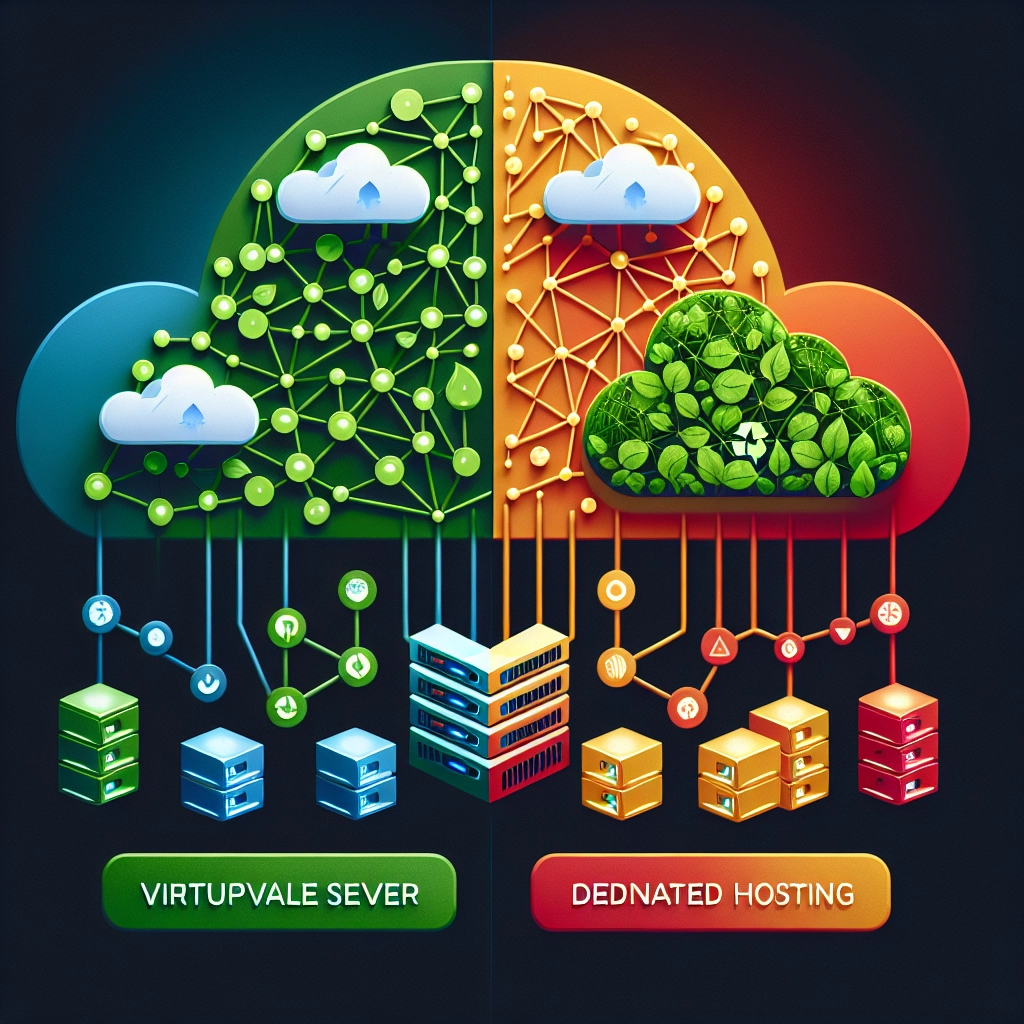
The Environmental Impact of VPS vs. Dedicated Hosting
In the ever-evolving digital landscape, the choice of hosting can feel overwhelming. If you’re looking to set up a website or application, you might find yourself weighing the pros and cons of Virtual Private Servers (VPS) against dedicated hosting. However, the implications of your choice extend beyond just performance and price; they also have significant environmental impacts. Let’s delve into how VPS and dedicated hosting affect our planet, as well as some eco-friendly considerations you might not have thought about.
What Are VPS and Dedicated Hosting?
Before diving into their environmental impact, it’s essential to clarify what we mean by VPS and dedicated hosting. A Virtual Private Server splits a single physical server into multiple virtual servers, effectively allowing several users to share the resources of that server. This means you get a portion of the total resources while still enjoying more control and customization than shared hosting.
On the other hand, dedicated hosting gives you an entire server to yourself. This arrangement provides you with maximum performance and security but at a higher cost. You’re not just paying for the physical server; you’re also bearing its entire environmental footprint, which can be substantial.
Energy Consumption: Powering Servers
Both VPS and dedicated hosting rely on data centers, which require a significant amount of energy to operate. However, their energy consumption differs due to how they allocate resources.
VPS: Shared Resources, Lower Impact
VPS hosting often has a lower environmental footprint compared to dedicated hosting because multiple users share the same physical server. This means that the energy used to power the server is distributed among several users, resulting in a more efficient use of electricity. Not to mention, many VPS providers are transitioning towards greener energy solutions, such as utilizing renewable energy sources. This is an exciting development for those of us concerned about our carbon footprint!
Dedicated Hosting: High Costs, High Consumption
In contrast, with dedicated hosting, you’re bearing the entire energy consumption of a physical server. While you get maximum performance, the environmental impact can be significantly higher, particularly if the hosting provider isn’t employing energy-efficient practices. Dedicated servers often run at full capacity, leading to greater power consumption and heat output, which in turn requires extensive cooling systems.
Cooling and Efficiency
Cooling systems are crucial for both types of hosting, as servers generate a lot of heat during operation. However, the efficiencies differ markedly between VPS and dedicated hosting.
Data centers hosting VPS servers might utilize advanced cooling techniques, and because they manage hundreds of clients on the same hardware, they can optimize energy efficiency more effectively. They’re also more likely to invest in newer cooling technologies that reduce energy consumption.
On the flip side, dedicated servers might require more traditional cooling solutions. If managed poorly, this can lead to significant spikes in energy usage. Though some dedicated hosting companies are taking steps to enhance their cooling practices, the potential for wasted energy remains a concern.
Resource Utilization
Another underlying factor in the environmental impact is resource utilization. VPS allows multiple users to share the same hardware, leading to higher utilization rates. This means that the servers are operating closer to their capacity for a more extended period, reducing the overall need for additional hardware.
Dedicated hosting, while excellent for performance, can lead to under-utilized servers, especially if a user doesn’t fully leverage the resources available. This inefficiency could translate to unnecessary manufacturing of additional server units, contributing to electronic waste and further environmental concerns.
Making Eco-Friendly Choices
Choosing between VPS and dedicated hosting isn’t solely about performance and cost; it’s also a chance to make decisions that align with your values regarding sustainability. Here are a few tips to keep in mind:
-
Research Hosting Providers: Look for companies that prioritize green practices. Many now advertise using renewable energy sources and energy-efficient hardware.
-
Consider Your Needs: If your website or application doesn’t require the full resources of a dedicated server, opting for a VPS is likely to be a more eco-friendly choice.
-
Ask About Policies: Reach out to your potential hosting provider and inquire about their energy practices, cooling methods, and overall commitment to sustainability.
-
Monitor Your Usage: Regardless of the hosting solution, keep an eye on your resource usage to ensure you’re not wasting energy.
Ultimately, your choice in hosting can significantly influence your carbon footprint. By weighing the environmental impacts of VPS and dedicated hosting, you can make an informed decision that not only serves your technical needs but also aligns with your values of sustainability. Whether it’s choosing shared resources with VPS or exploring energy-efficient dedicated options, every little decision counts in our collective journey toward a greener future. So, as you navigate this crucial aspect of your digital presence, remember: the right hosting choice can extend beyond the server to create a lasting positive impact on our planet.
Welcome to DediRock, your trusted partner in high-performance hosting solutions. At DediRock, we specialize in providing dedicated servers, VPS hosting, and cloud services tailored to meet the unique needs of businesses and individuals alike. Our mission is to deliver reliable, scalable, and secure hosting solutions that empower our clients to achieve their digital goals. With a commitment to exceptional customer support, cutting-edge technology, and robust infrastructure, DediRock stands out as a leader in the hosting industry. Join us and experience the difference that dedicated service and unwavering reliability can make for your online presence. Launch our website.