
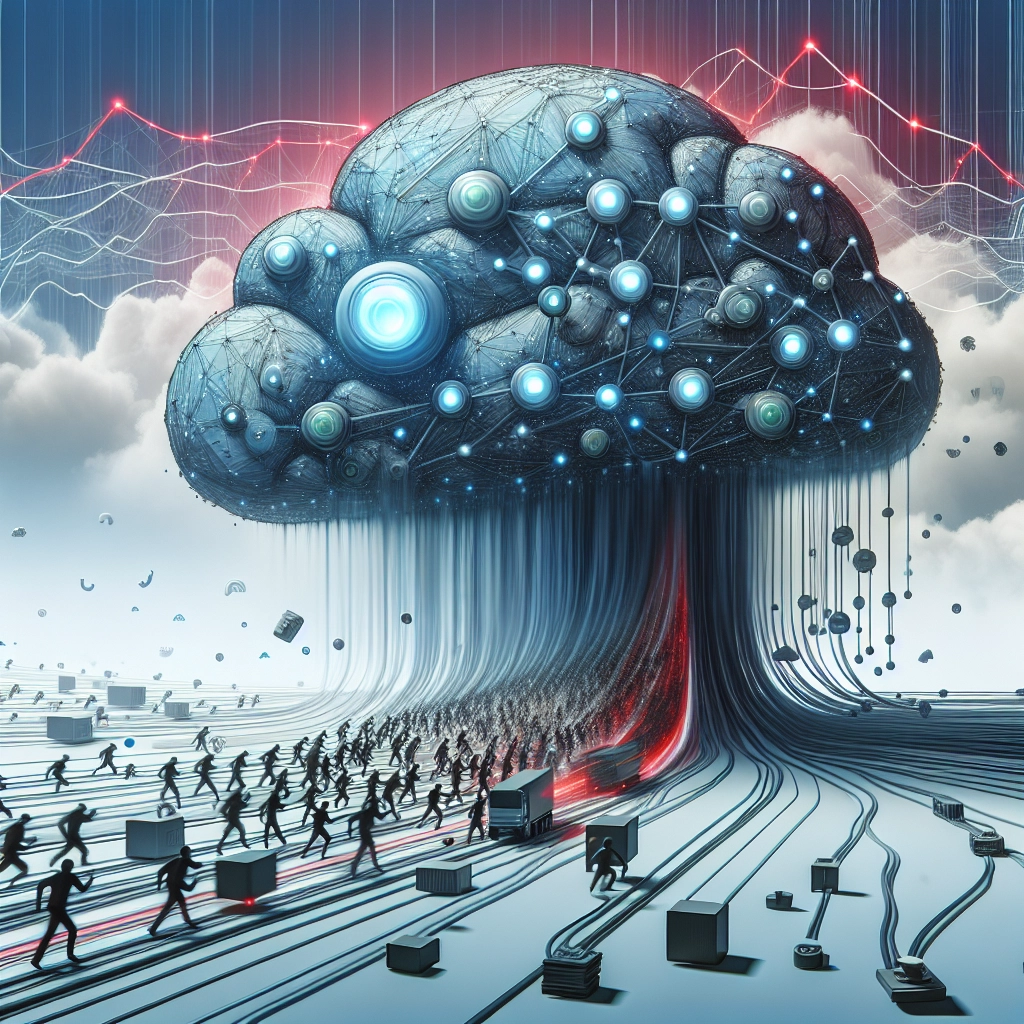
As AI transitions from pilot stages to large-scale implementation, network performance is facing significant challenges. In a typical day for a network engineer, a sudden drop in performance can occur after everything seems to be functioning properly. This issue is often traced back to network limitations rather than compute power.
The rapid scaling of AI workloads is putting a strain on existing infrastructures, which were designed for predictable traffic patterns and more stable applications. The introduction of AI has disrupted these patterns through high-frequency, bursty traffic and complex communications between systems. Consequently, the mismatch between AI operational demands and traditional network designs is becoming increasingly apparent.
Experts predict that global data center capacity will nearly double by 2030 to accommodate AI growth, but current infrastructures are not keeping pace. Only a small fraction of the existing data center inventory in the U.S. can handle the dense workloads required for AI today. Meanwhile, the planning and construction of new data center projects are facing delays, exacerbating these issues.
Standard enterprise networks aren’t equipped for the unpredictable workload that AI demands. They struggle to manage the microbursts of traffic generated during AI training sessions, which can overwhelm network switches and lead to significant performance lags. Older network models may also encounter compatibility challenges as they reconcile with newer AI-driven infrastructures.
Moreover, there is a visible gap in how network operators manage and monitor performance. Network failures often manifest as grey failures, which means the system continues to show normal operational indicators even while performance degrades. These invisible problems lead to complications in identifying root causes when issues do arise.
To combat these hurdles, network operations must evolve. Many organizations need to modernize their operational strategies—transitioning from manual setups to automated and continuous monitoring systems that can keep pace with the dynamic demands of AI workloads. This transition will help address the critical bottlenecks within networking infrastructures.
As organizations plan to scale their AI capabilities, networks must adapt to support the heavy demands of these applications. The current infrastructure strains are a forewarning of similar growing pains that could surface across other critical components such as power supply, cooling systems, and overall operational management. Without proactive measures, the setbacks faced in networking could hinder the broader integration of AI into enterprise operations.
Welcome to DediRock, your trusted partner in high-performance hosting solutions. At DediRock, we specialize in providing dedicated servers, VPS hosting, and cloud services tailored to meet the unique needs of businesses and individuals alike. Our mission is to deliver reliable, scalable, and secure hosting solutions that empower our clients to achieve their digital goals. With a commitment to exceptional customer support, cutting-edge technology, and robust infrastructure, DediRock stands out as a leader in the hosting industry. Join us and experience the difference that dedicated service and unwavering reliability can make for your online presence. Launch our website.