
Comparing VPS Hosting to Shared Hosting: What’s the Difference?
In the world of web hosting, the choices can be overwhelming. If you’re diving into creating your own website, you might come across terms like shared hosting and VPS hosting. Both come with their own sets of advantages and disadvantages, and understanding the difference can help you make a more informed decision about which option is best for your specific needs. So, let’s break it down!
What is Shared Hosting?
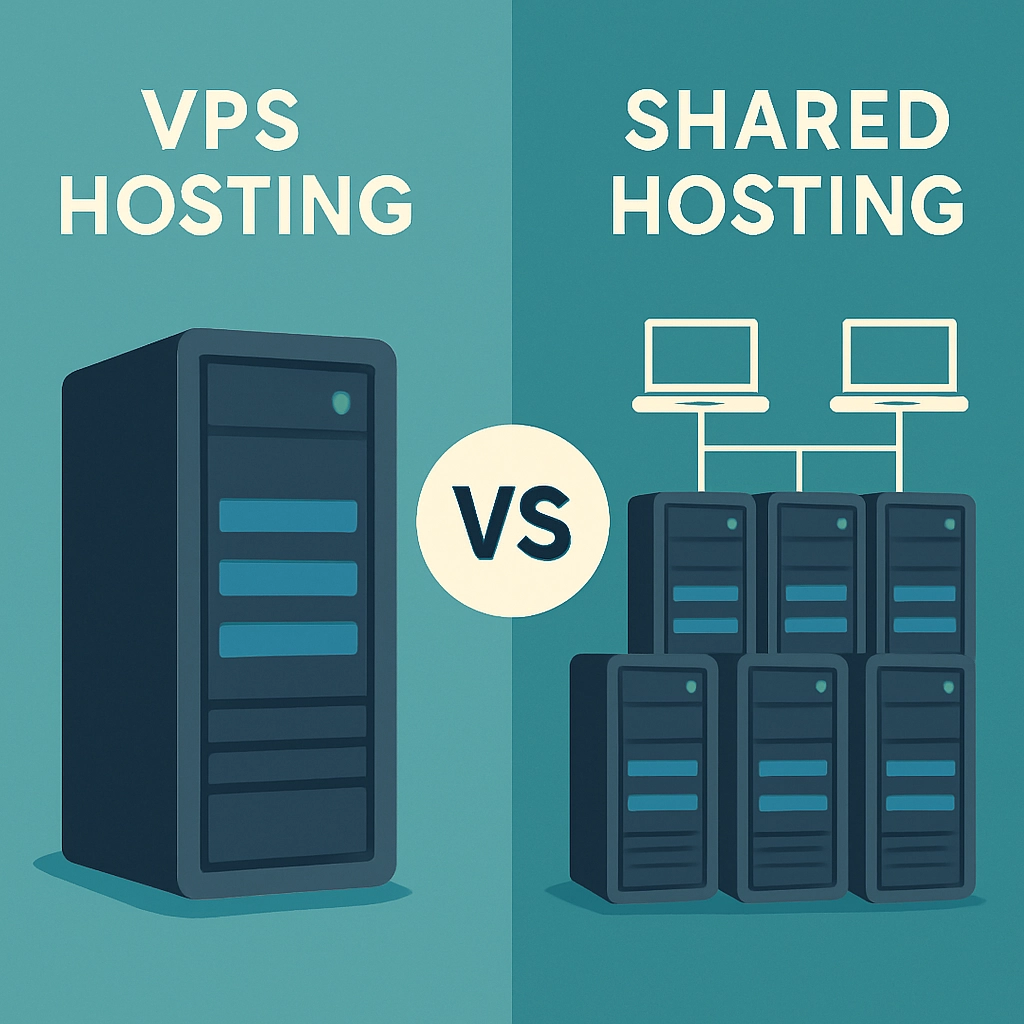
To start off, let’s examine shared hosting. As the name implies, shared hosting means that multiple websites share the same server resources. Imagine living in an apartment complex where everyone shares a common area – that’s akin to shared hosting. Your website shares the server’s CPU, RAM, and other resources with other sites.
This model usually appeals to beginners, small businesses, or anyone who needs a simple online presence without breaking the bank. With shared hosting, the setup is often quick and hassle-free, making it easy for those who may not have extensive technical backgrounds. Furthermore, you can usually expect high levels of customer support since providers often target novice users.
Pros of Shared Hosting
-
Affordability: One of the biggest draws to shared hosting is the cost. Plans can start as low as a few dollars a month.
-
Easy to Use: Most shared hosting services come with user-friendly control panels, like cPanel, making it simple for you to manage your site.
-
Support: Many shared hosting providers include 24/7 customer support, which can be incredibly beneficial for those who are starting out.
Cons of Shared Hosting
However, shared hosting isn’t perfect. Given that you’re sharing resources, there are some drawbacks.
-
Resource Allocation: If a neighboring website experiences a spike in traffic, it could eat into your allocated resources, causing your site to slow down or even crash.
-
Limited Control: You might come across limitations regarding software configurations or installations because of the shared nature of the hosting environment.
-
Security Risks: Since multiple websites share the same server, one site’s vulnerabilities can potentially put others at risk.
What is VPS Hosting?
Now, let’s talk about VPS hosting, which stands for Virtual Private Server. VPS hosting is a bit like having your own apartment – you still share a building with other tenants, but you have your own space with more control and privacy. With VPS, a physical server is divided into multiple virtual environments, each simulating a dedicated server.
This means that while you’re still sharing a server, you have dedicated portions of the server’s resources that aren’t impacted by other users. This setup provides advantages in terms of performance, control, and security.
Pros of VPS Hosting
-
Resource Control: Since you have dedicated resources, the performance of your website is generally more stable and faster.
-
Customization: With VPS, you have much more control over your server settings. You can install custom software and make configurations that suit your specific needs.
-
Increased Security: VPS hosting usually offers better security than shared hosting. Since your site is isolated from others, it’s less vulnerable to attacks from neighboring sites.
Cons of VPS Hosting
On the flip side, VPS hosting isn’t without its downsides.
-
Cost: Compared to shared hosting, VPS plans can be more expensive, which might be a consideration for those just starting out or running a tight budget.
-
Technical Knowledge Required: While some VPS hosting providers offer managed services, having some technical know-how can make managing a VPS much easier. If you’re not comfortable with server management, the learning curve could be steep.
-
Maintenance: If you opt for an unmanaged VPS, you’re responsible for all maintenance, which includes software updates, security patches, and backups.
Which is Right for You?
Ultimately, the best hosting choice depends on your specific needs and goals. If you operate a small personal blog or a simple portfolio site, shared hosting might be perfectly adequate. On the other hand, if your business requires greater traffic capacity, more control, and improved performance, VPS hosting could be the way to go.
In a nutshell, shared hosting is a fantastic starting point for newcomers, while VPS hosting offers room to grow and expand your online presence. Whichever you choose, understanding the differences can help pave the way to a successful hosting experience tailored just for you. Happy hosting!
Welcome to DediRock, your trusted partner in high-performance hosting solutions. At DediRock, we specialize in providing dedicated servers, VPS hosting, and cloud services tailored to meet the unique needs of businesses and individuals alike. Our mission is to deliver reliable, scalable, and secure hosting solutions that empower our clients to achieve their digital goals. With a commitment to exceptional customer support, cutting-edge technology, and robust infrastructure, DediRock stands out as a leader in the hosting industry. Join us and experience the difference that dedicated service and unwavering reliability can make for your online presence. Launch our website.