
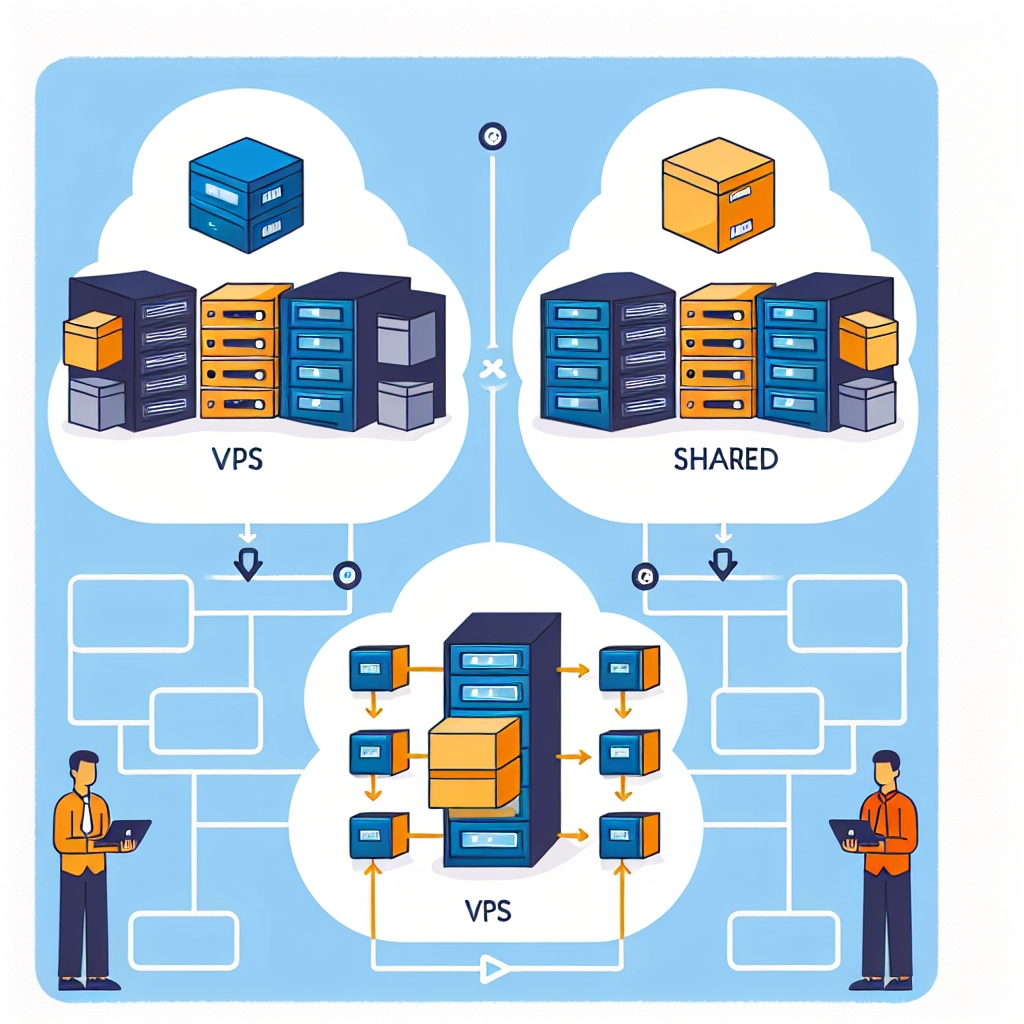
When it comes to hosting your website, understanding the differences between VPS (Virtual Private Server), shared, and dedicated hosting can be a bit of a maze. With so many options available, each with its own benefits and drawbacks, it’s crucial to take a moment to break them down in a way that’s easy to digest. Whether you’re starting a blog, running an e-commerce store, or managing a corporate website, choosing the right type of hosting is a key piece of the puzzle for your online presence.
Shared Hosting
Let’s start with shared hosting. This is often the most popular choice for beginners and small business owners because it’s usually the most affordable option. With shared hosting, multiple websites are housed on the same server, sharing its resources like CPU, RAM, and bandwidth. This can be likened to living in a crowded apartment building—you have your own space, but you also share amenities with your neighbors.
Pros:
- Cost-Effective: The primary appeal is the low price point, making it accessible for startups and personal projects.
- Easy to Use: Most shared hosting providers offer one-click installations for popular platforms like WordPress, making setup simple.
- Maintenance-Free: Typically, the hosting provider takes care of server management and maintenance, allowing you to focus on running your site.
Cons:
- Limited Resources: Since you share resources with other sites, your website’s performance may suffer if another site experiences a surge in traffic.
- Limited Control: You have little control over server configurations, which can be a drawback if you need specific software or settings.
- Security Risks: With other sites on the same server, vulnerabilities from one can potentially affect others.
Shared hosting can work wonders for small websites with limited traffic. However, if you expect rapid growth or higher traffic volumes, you may outgrow this option quickly.
VPS Hosting
Next up is VPS hosting, often considered a middle ground between shared and dedicated hosting. With a VPS, you still share a server with other users, but each site operates in its own virtual environment. Think of it like living in a townhome—while you still share the building, you have more space and your own front door.
Pros:
- Increased Resources: You get access to dedicated portions of the server’s resources, which means your site can handle more traffic without slowing down.
- Greater Control: Many VPS providers give you more control over your environment, allowing you to install software and customize settings as needed.
- Improved Security: Since you’re less dependent on other sites on the server, there’s a reduced risk of security breaches affecting your site.
Cons:
- Higher Cost: VPS hosting usually comes at a higher price point compared to shared hosting, making it a larger investment for small businesses or personal sites.
- Management Required: Some VPS options require you to manage the server yourself, which can be daunting if you lack technical expertise.
- Scaling Limits: Though VPS allows for more resources, it’s still limited compared to a fully dedicated server.
VPS hosting is perfect for those who are experiencing moderate traffic and need more power and control without breaking the bank on a dedicated server.
Dedicated Hosting
Finally, we arrive at dedicated hosting. This is the big leagues where you rent an entire server solely for your website. This option is best suited for large businesses or high-traffic websites that demand superior performance.
Pros:
- Complete Control: You have full access to the server, allowing you to customize everything from the operating system to hardware specifications.
- Maximum Performance: With dedicated resources, your site can handle significant traffic without hiccups.
- Enhanced Security: Reduced risk of outside threats since you’re not sharing your server with others.
Cons:
- Expensive: The cost is the most significant downside, as dedicated servers can range from several hundred to thousands of dollars per month.
- Requires Technical Expertise: You either need to have technical knowledge or hire someone who does, as a dedicated server usually requires active management and maintenance.
- Overkill for Small Sites: Most small businesses or personal blogs won’t need the power and resources of a dedicated server.
Choosing the right type of hosting is crucial for your online endeavors. If you’re just starting out, shared hosting offers a low-cost, user-friendly entry point. For those with growing websites, VPS strikes a great balance between cost and performance. Lastly, if you’re managing high traffic or require maximum control, dedicated hosting may be your best bet.
No matter your choice, the key is to evaluate your needs now and in the foreseeable future. Happy hosting!
Welcome to DediRock, your trusted partner in high-performance hosting solutions. At DediRock, we specialize in providing dedicated servers, VPS hosting, and cloud services tailored to meet the unique needs of businesses and individuals alike. Our mission is to deliver reliable, scalable, and secure hosting solutions that empower our clients to achieve their digital goals. With a commitment to exceptional customer support, cutting-edge technology, and robust infrastructure, DediRock stands out as a leader in the hosting industry. Join us and experience the difference that dedicated service and unwavering reliability can make for your online presence. Launch our website.