
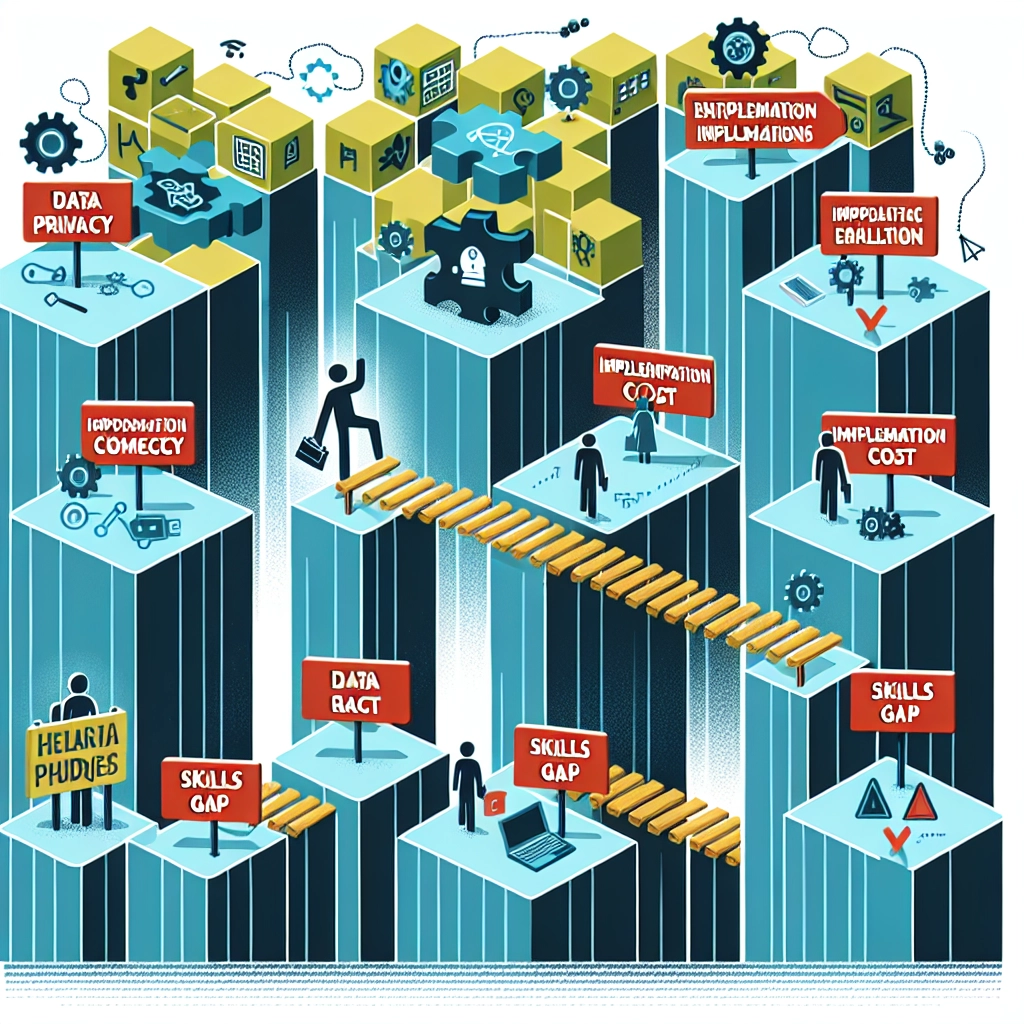
Enterprises are facing significant hurdles in the successful implementation of artificial intelligence (AI). Although many organizations had high hopes for AI technologies, nearly 80% have reverted to relying on human-centric processes after their AI strategies fell short of expectations.
Research conducted by CompTIA indicates that enterprises are encountering substantial performance issues, challenges with integrating AI into existing operations, and gaps in necessary skills. Despite 82% of corporate leaders expecting measurable productivity gains from AI, around 79% of businesses reported a rollback to manual processes after their initial AI projects did not meet set objectives. A survey of over 1,100 businesses in the U.S. highlights the widening gap between the anticipated and actual benefits of AI deployments.
Tim Herbert, Chief Research Officer at CompTIA, stated that the reluctance to embrace AI fully often arises from the intricate dynamics involved in its progression. He noted that while these setbacks are concerning, they might not impact the labor market as drastically as some fear.
Main reasons behind AI project failures include:
- Over half of the respondents (52%) said that underperformance was a key issue.
- 50% of companies struggle with scaling AI solutions for more complex tasks.
- Nearly half (47%) reported difficulties in integrating AI with existing workflows, while 48% indicated that the technology’s costs outweighed potential returns.
To facilitate successful AI deployments, CompTIA suggests companies need a holistic approach that unifies technology, human resources, and processes. Currently, AI adoption rates average 37%, but training in AI skills is mostly reactive. Only one-third of businesses require AI training for their employees, although the demand for AI talent has tripled compared to other tech job openings.
Regarding workforce impacts, 38% of businesses have adjusted staffing attributed to AI. Among these, 48% transitioned staff into different roles, while 36% hired new employees. Many companies use AI to justify unpopular decisions like layoffs or cost reductions. The findings raise concerns, especially regarding opportunities for junior and mid-level workers.
The research identifies different tiers of AI adoption: 18% of companies have low AI usage, less than 10% of their workforce; 51% fall into a mid-range category, using AI for 20%-49% of tasks; and 29% have high adoption rates. Larger corporations typically mandate top-down AI strategies, whereas smaller companies often experience bottom-up adoption led by enthusiastic users.
Leaders in business and technology must recognize that achieving AI success requires an equal focus on technological capabilities, workflow integration, and workforce development. The long-term productivity gains from AI and their measurable impact remain to be seen, suggesting that many challenges still lie ahead for enterprises looking to embrace this transformative technology.
Welcome to DediRock, your trusted partner in high-performance hosting solutions. At DediRock, we specialize in providing dedicated servers, VPS hosting, and cloud services tailored to meet the unique needs of businesses and individuals alike. Our mission is to deliver reliable, scalable, and secure hosting solutions that empower our clients to achieve their digital goals. With a commitment to exceptional customer support, cutting-edge technology, and robust infrastructure, DediRock stands out as a leader in the hosting industry. Join us and experience the difference that dedicated service and unwavering reliability can make for your online presence. Launch our website.