
Following a recent AWS outage in the UAE, driven by drone strikes on its data centers, many businesses are reevaluating their cloud resilience strategies. This incident has led to AWS advising its customers to migrate workloads to other regions for continued operations, bringing to light the urgent need for firms to prepare for cloud region migrations.
Cloud region migration involves moving workloads from one geographic cloud region to another within the same cloud platform. As all major cloud providers have numerous regions for workload deployment, this migration process is essential for maintaining service continuity, especially in light of such disruptive events.
There are several significant reasons prompting organizations to migrate workloads. Foremost among these is the need to address disruptions, such as the recent AWS outage. Additionally, organizations might seek to migrate for financial reasons; costs can vary widely across different regions, making some options more economical than others over time. Performance objectives, primarily related to network latency and the response times for data retrieval, might also necessitate such migrations.
In terms of planning a migration, businesses should generate a detailed inventory of their current cloud assets to ensure nothing is overlooked. Understanding the availability of cloud services in the new region is also crucial, as certain niche services may not be offered everywhere. The estimated duration for data transfer must be assessed, as substantial data relocations could lead to extended downtime. Moreover, compliance with legal and regulatory requirements, particularly when moving to a different geographic area, will add a layer of complexity. Finally, organizations must predict changes in cloud expenditure post-migration to prevent any budgetary surprises.
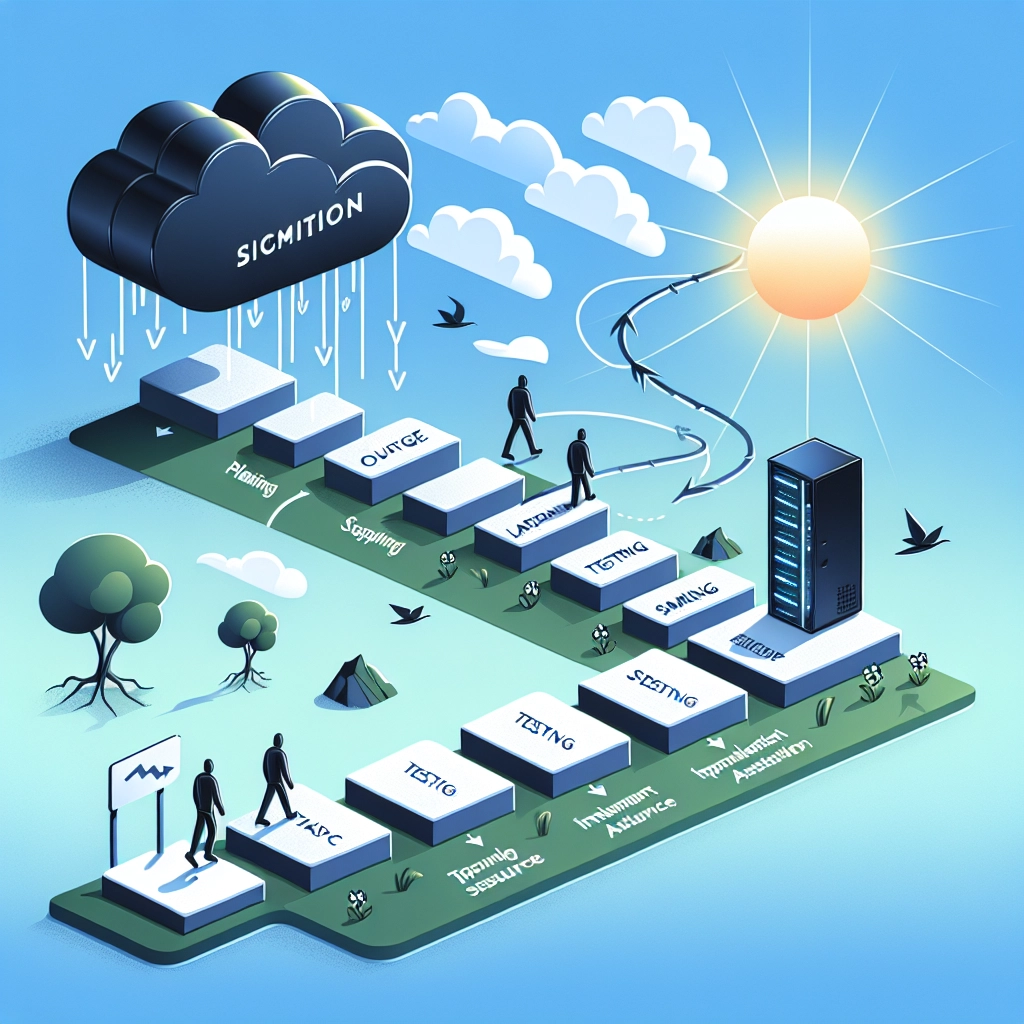
Once planning is complete, the migration itself typically follows several key steps:
-
Establish a Landing Zone: This preconfigured environment sets the rules for networking, governance, and security in the new region.
-
Replicate Workloads: Workloads must be mirrored across the original and new regions. Many cloud services include cross-region replication features, simplifying this step.
-
Validate Workloads: Testing the new region with all required workloads ensures functionality before going live.
-
Cut Over to the New Region: This involves redirecting traffic from the old region to the new one.
-
Decommission the Old Region: After successful verification, the original workloads can be shut down, though some infrastructure may remain for backup purposes.
As cloud infrastructures become increasingly vital for business operations, the ability to adapt swiftly to disruptions is essential for maintaining service continuity. Thorough understanding and planning of cloud region migrations not only minimize risks but also enhance agility in the face of unforeseen challenges, positioning organizations for success in a changing digital landscape.
Welcome to DediRock, your trusted partner in high-performance hosting solutions. At DediRock, we specialize in providing dedicated servers, VPS hosting, and cloud services tailored to meet the unique needs of businesses and individuals alike. Our mission is to deliver reliable, scalable, and secure hosting solutions that empower our clients to achieve their digital goals. With a commitment to exceptional customer support, cutting-edge technology, and robust infrastructure, DediRock stands out as a leader in the hosting industry. Join us and experience the difference that dedicated service and unwavering reliability can make for your online presence. Launch our website.